Ed’s weekends are Mondays and Tuesdays so we managed a couple of nights mini-break in Shanghai with the family at the start of our second week. This meant an early start for a taxi to Wuchan station, across the river, then three and a half hours south and east on the train. Driving across the city to the station you get some idea of the scale of the place – at 11 million people, Wuhan is around the same size as London but only the 9th biggest city in China.
Train travel is very comfortable despite, or maybe because of, the long list of dos and don’ts, broadcast throughout the journey in Mandarin and English; we are entreated not to make unnecessary noise, romp about the coach, or sleep on the fold-out tables! There was lots to see from the train to pass the time; small lakes and ponds amongst market gardens surprisingly close to Wuhan, then proper countryside with more traditional buildings, wooded hills, and lots and lots of rice paddy. I’m really looking forward to visiting the more rural areas of Sichuan where some of Kate’s family live next time we visit China, for an insight into what life is like away from the big conurbations – I crave green after a week in any city! As we travelled further east, the landscape flattened out again and rice paddy gave way to more orchards, polytunnels and ponds – whether for fish farming or growing some sort of water plants, we couldn’t decide. We also passed large solar farms and at least one set of belching power station chimneys. The increase in the proportion of electric cars in Wuhan compared to our 2019 visit to Chengdu means the air in the city doesn’t feel so polluted but all that electricity has to come from somewhere. China was getting nearly 34 % of its energy from nuclear and renewable sources in 2021 {Share of electricity from low-carbon sources, 2022 (ourworldindata.org)} but the carbon intensity of its electricity production is still amongst the highest in the world, at 544 g CO2 per kilowatt-hour (compared to 268 g per KW hour in the UK, for example).
Shanghai itself did not disappoint. The city sits on the southern estuary of the Yangtze river, several hundred miles downstream from Wuhan and has been an important port for many centuries, coming into its own for both domestic and foreign trade in the 19th Century. The British established themselves there after the first Opium War in 1842, eventually becoming part of the foreign-controlled Shanghai International Settlement, along with other countries involved in trade with China. The city was a major commercial and financial hub for Asia in the 1930s but the settlement, and the privileges it offered to foreigners, ended abruptly when the Japanese invaded Shanghai in December 1941. Many of the area’s European and American citizens were interned in labour camps, including an adolescent J.G Ballard, who famously wrote about his time in the Lunghua camp in the book Empire of the Sun.
That all seems like another world – Shanghai is now the third largest city in the world, with a population of nearly 25 million people in 2021. China’s trade with the rest of the world, which was severely curtailed by the ruling Communist Party during the latter half of the 20th century, took off again in the 1990s as a result of reforms started by Deng Xiaoping. The Pudong district, on the far side of the Huangpu River from the Bund, is now a major hub for international trade and finance; home to the first free-trade zone in mainland China and one of the largest stock exchanges in the world.
Ed and Kate had found us a hotel not far from Jiang’an temple on the West Nanjing road, which has an even more incongruous setting than Boatong temple in Wuchan, given that its name means ‘Temple of Peace and Tranquility’! We lunched on tasty but expensive crab noodles and rice in a side street nearby, before heading to the temple.
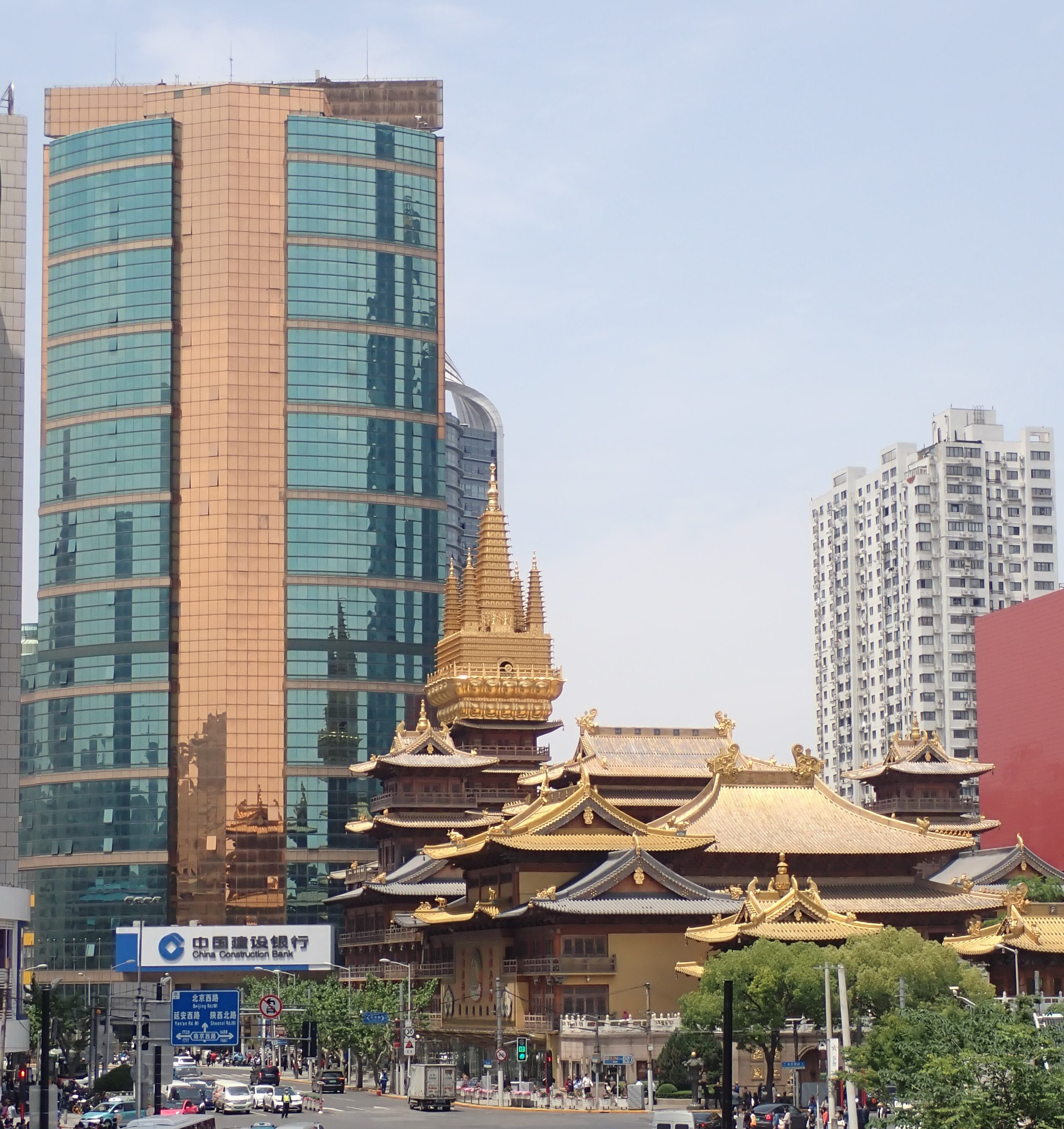
Like Boatong, Jiang’an has had a long and chequered history. It was first built 1800 years ago next to the Wusong River, a tributary of the Huangpu River which flows through the centre of modern Shanghai. It was relocated to its current site in 1216 AD and rebuilt again during the Qing dynasty, China’s last imperial dynasty, which came to an abrupt end in 1912 after the Wuchan Uprising (recognise the name?) led to the establishment of the Republic of China. It was razed to the ground during Mao’s Cultural Revolution and turned into a plastic factory, only being rebuilt as a temple 20 years ago.
We spent a good chunk of the afternoon exploring the temple, which had plenty of places for Casper to run around shrieking and not too much evidence of people being upset by this. There were the usual burning incense sticks but also kids noisily trying to throw stones into the central belltower – the rebounding ones were a bit of a hazard!
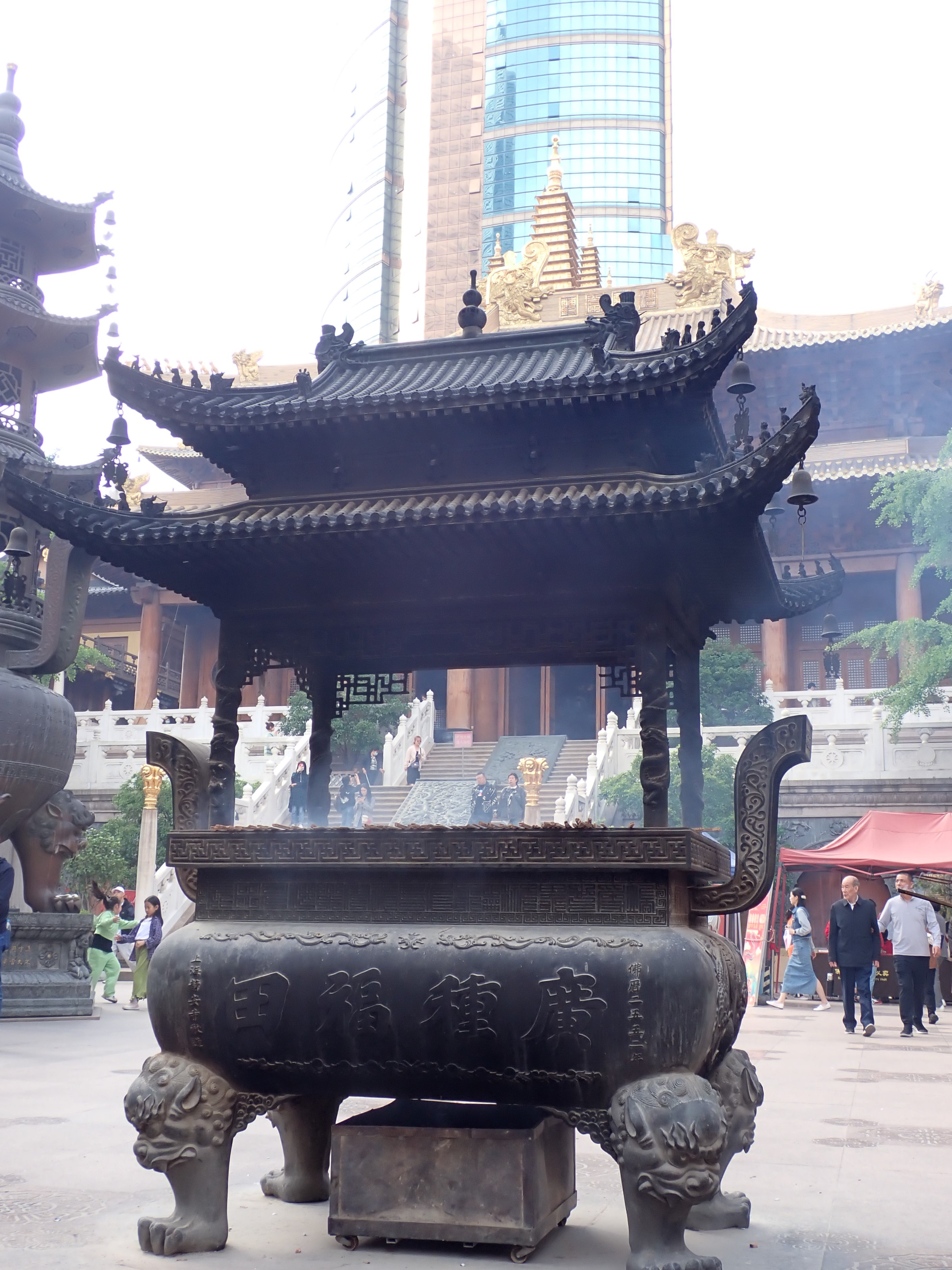
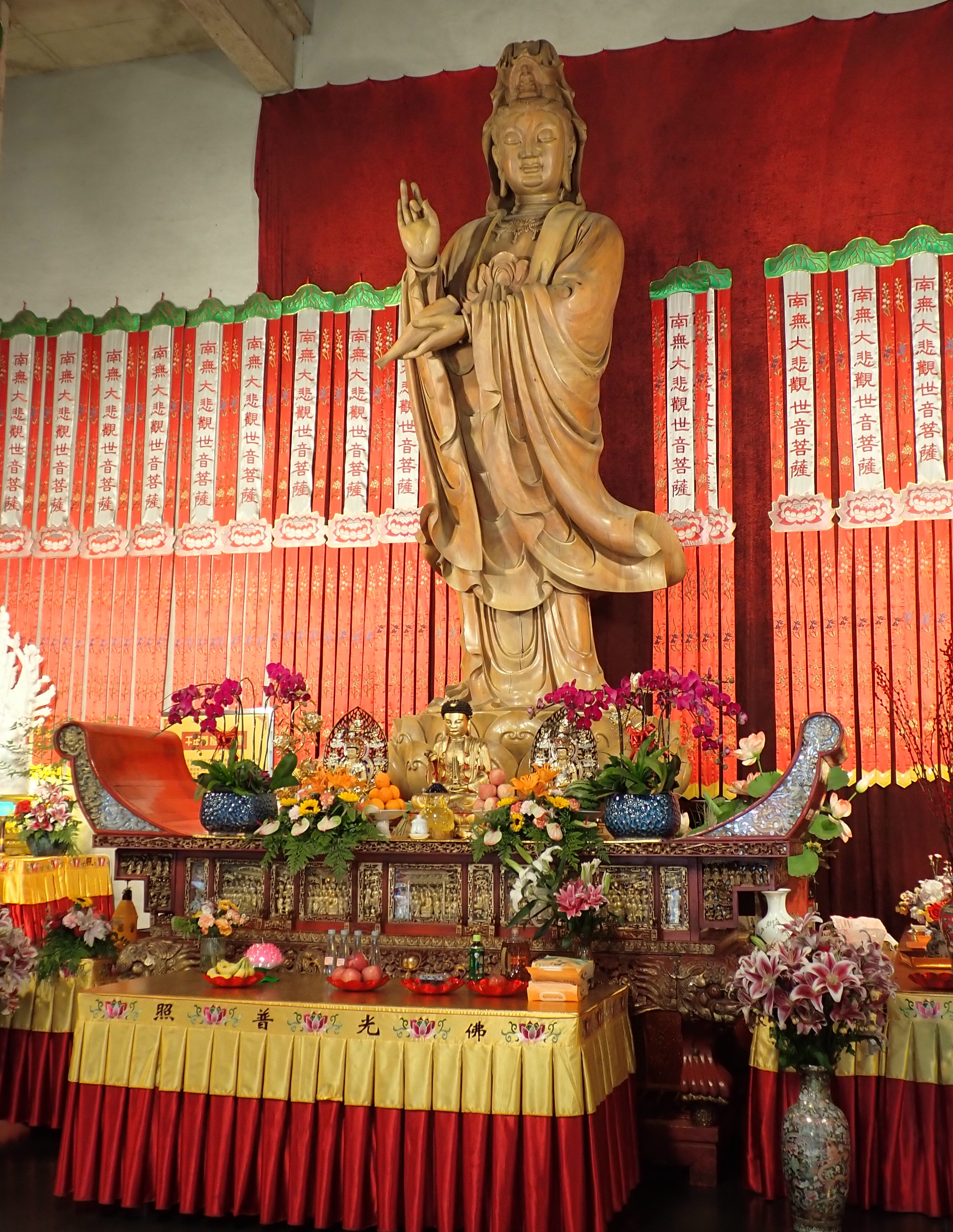
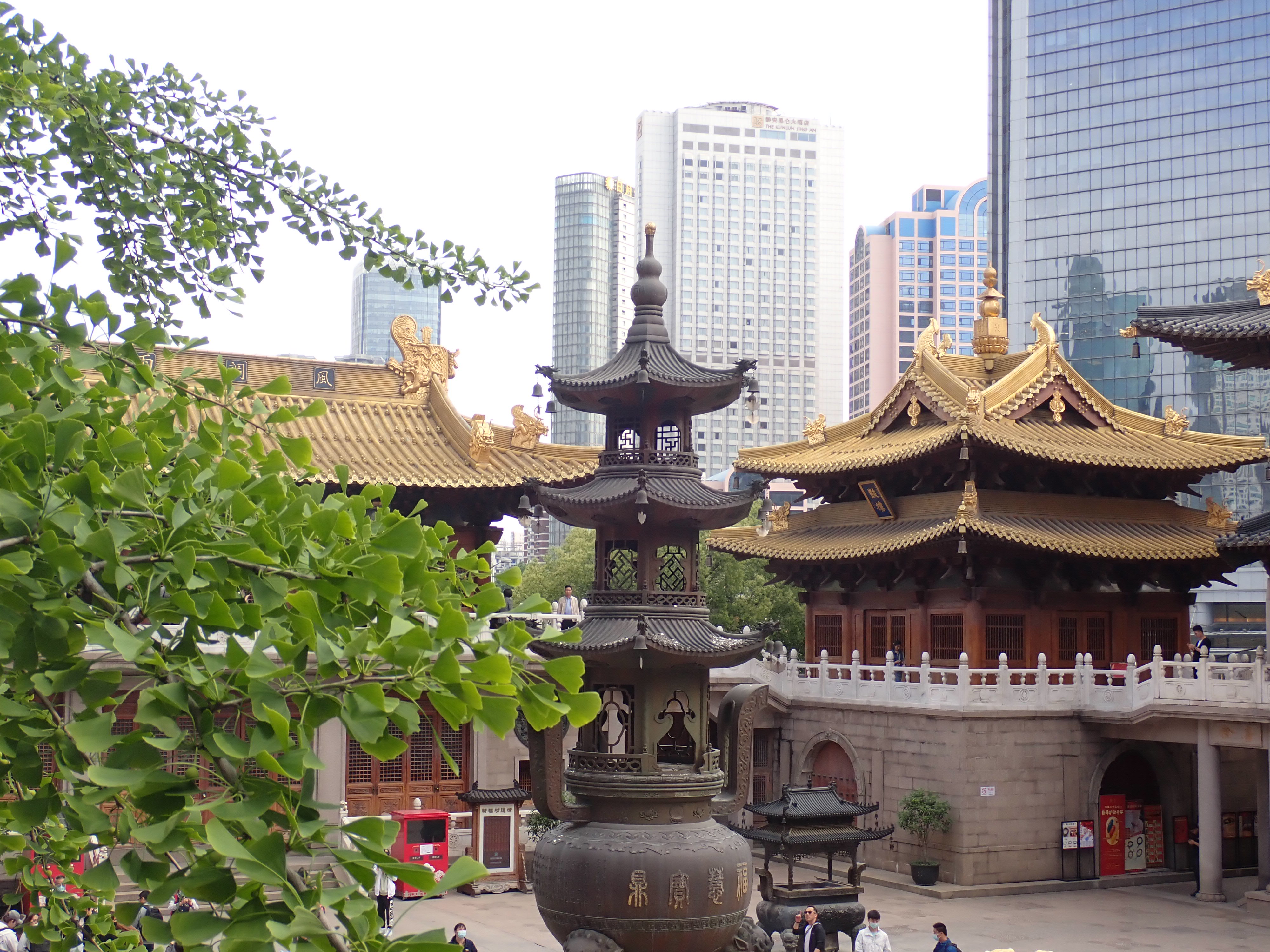
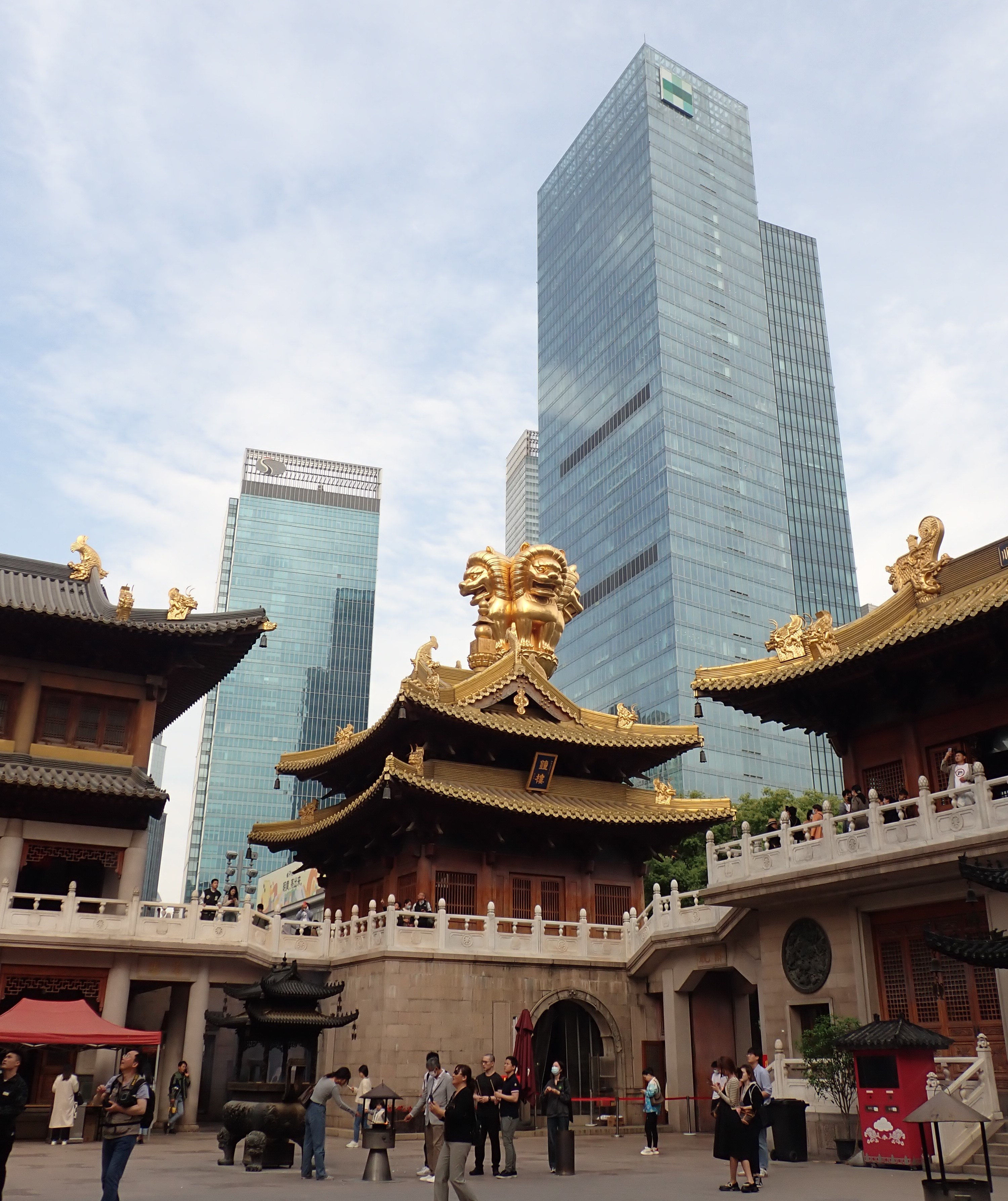
There were people praying in front of the Buddhas here but it felt like most people were sightseers – not so different to most visitors to British churches and cathedrals, I suppose.
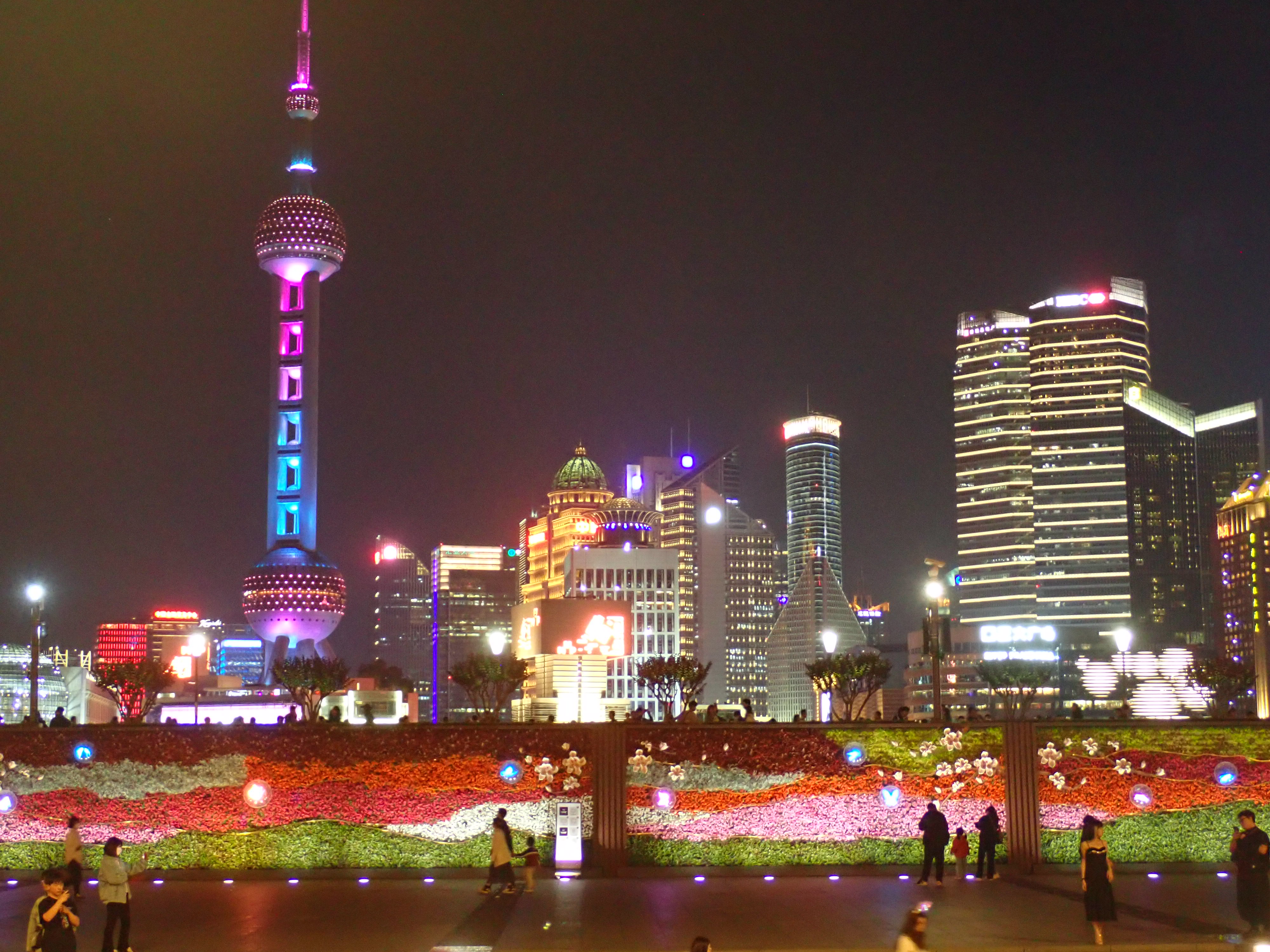
It was relatively cool and breezy in Shanghai so, after a meal of traditional Shanghia food (much less spicy than Sichuan and Hubei food, it seems) with a friend of Kate and Ed’s we took a double decker tourist bus down to the Bund, to admire the lights. We got to sit in the front seats on the top floor with Casper, like the big kids we are. What’s not to like, though the churlish bit of me wondered why we bother switching lights off in empty rooms at home to save electricity!
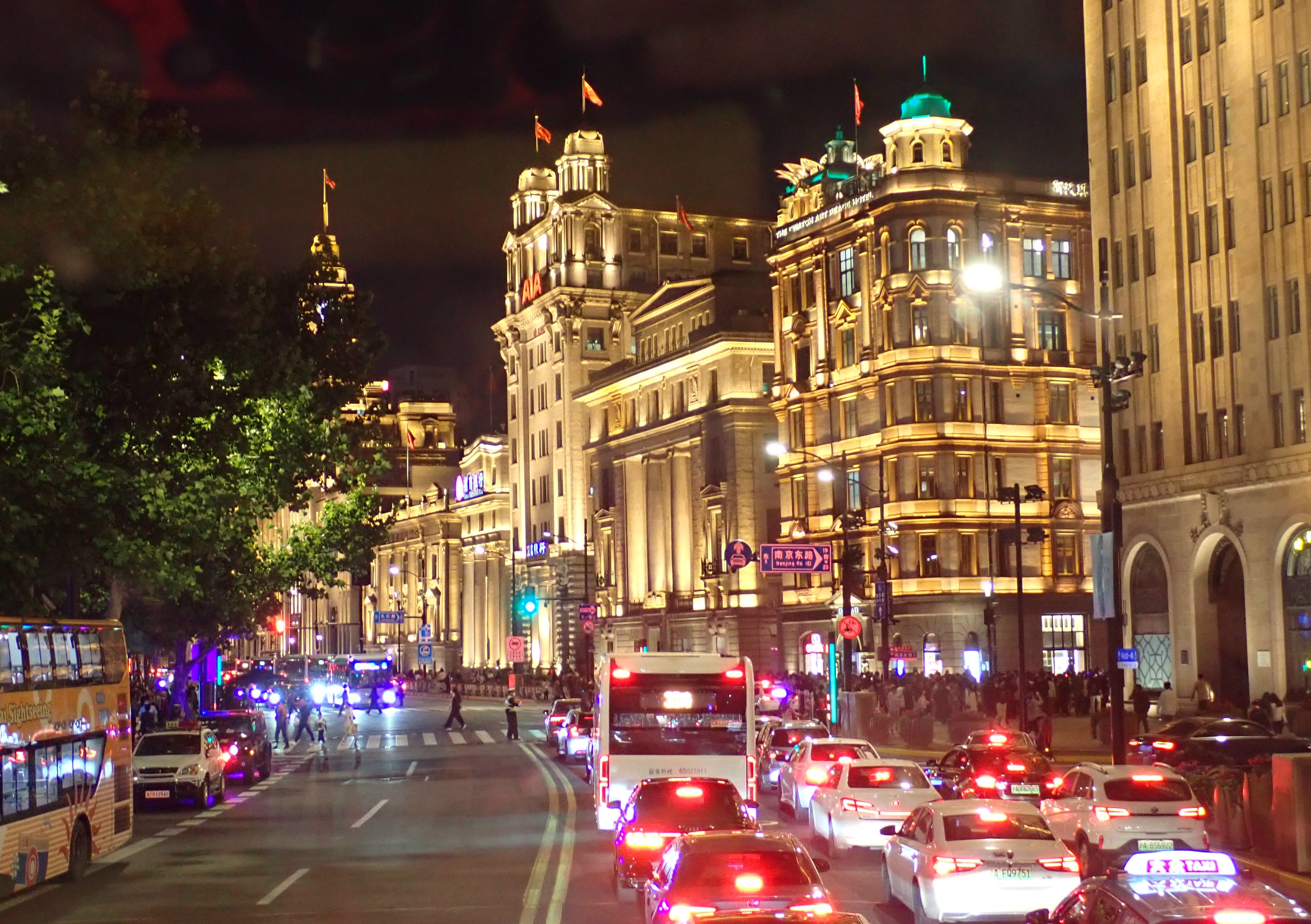
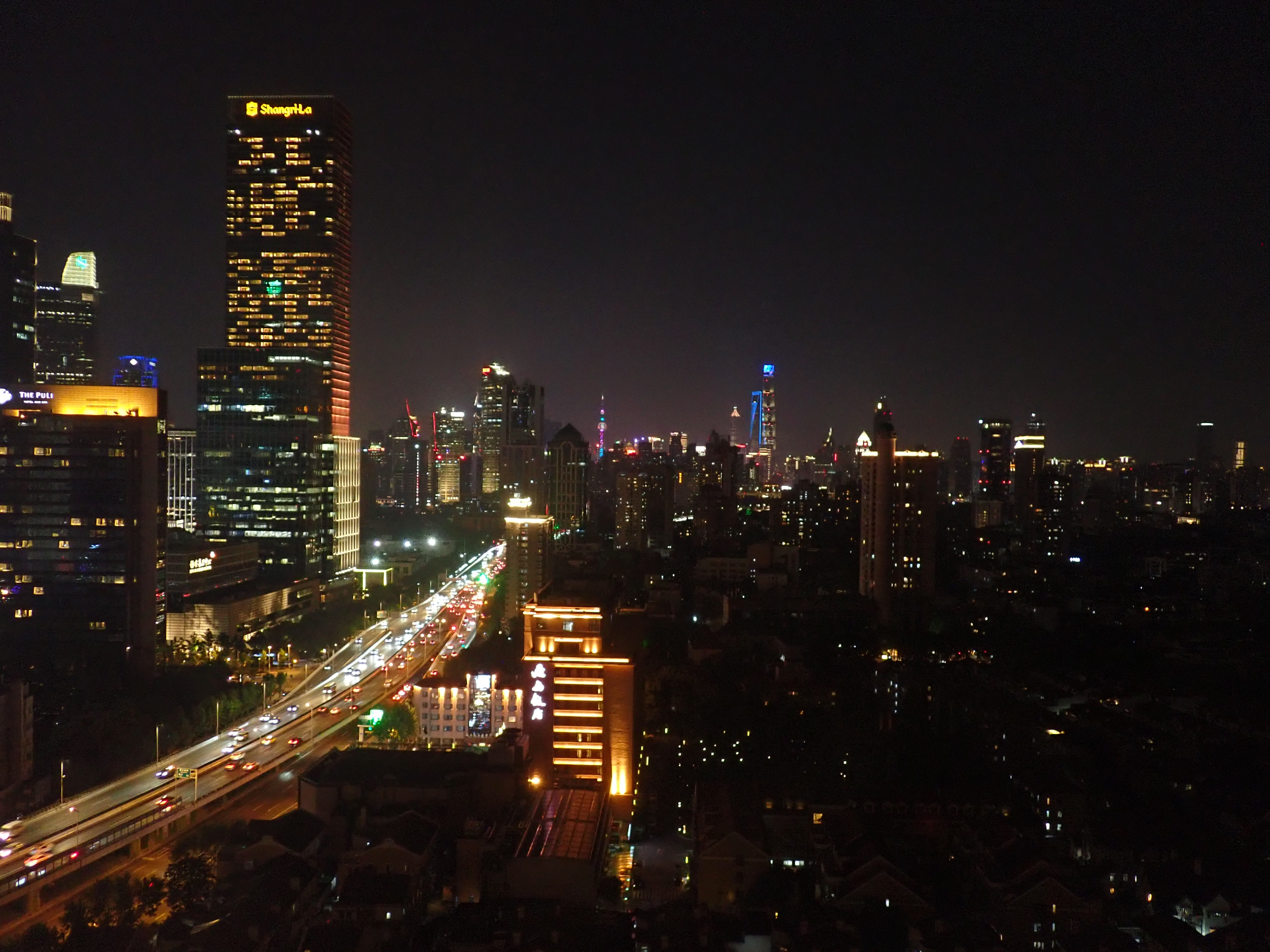
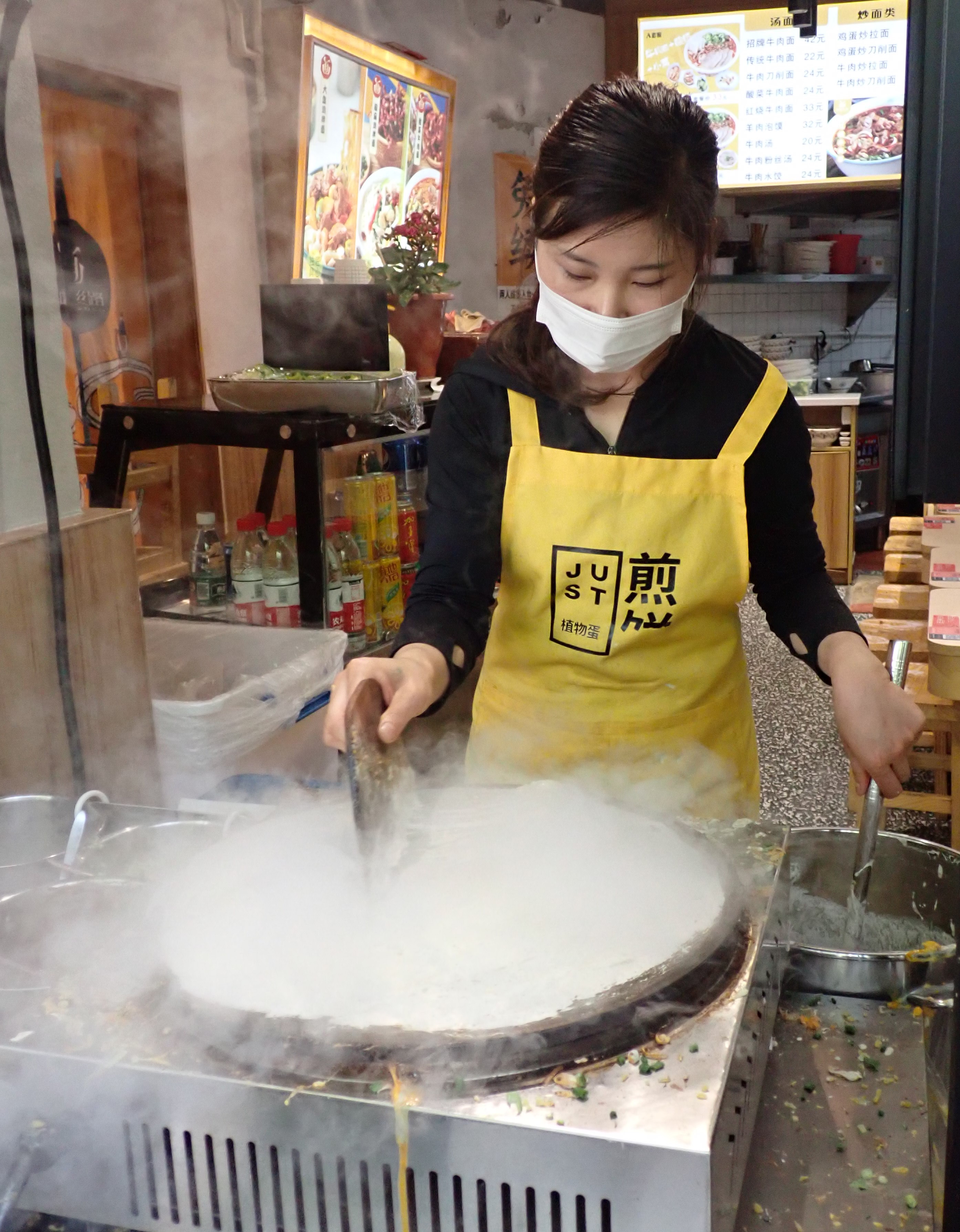
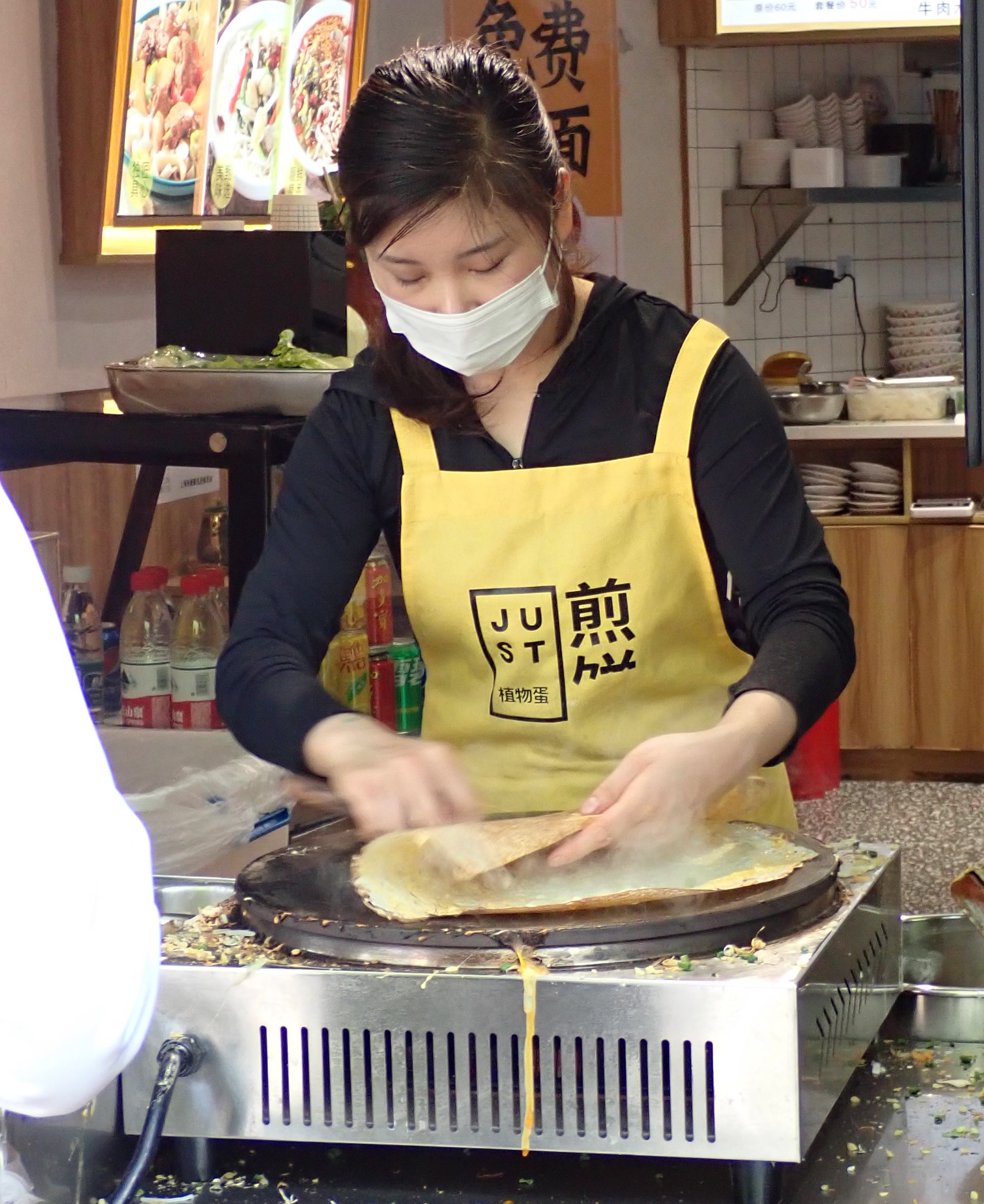
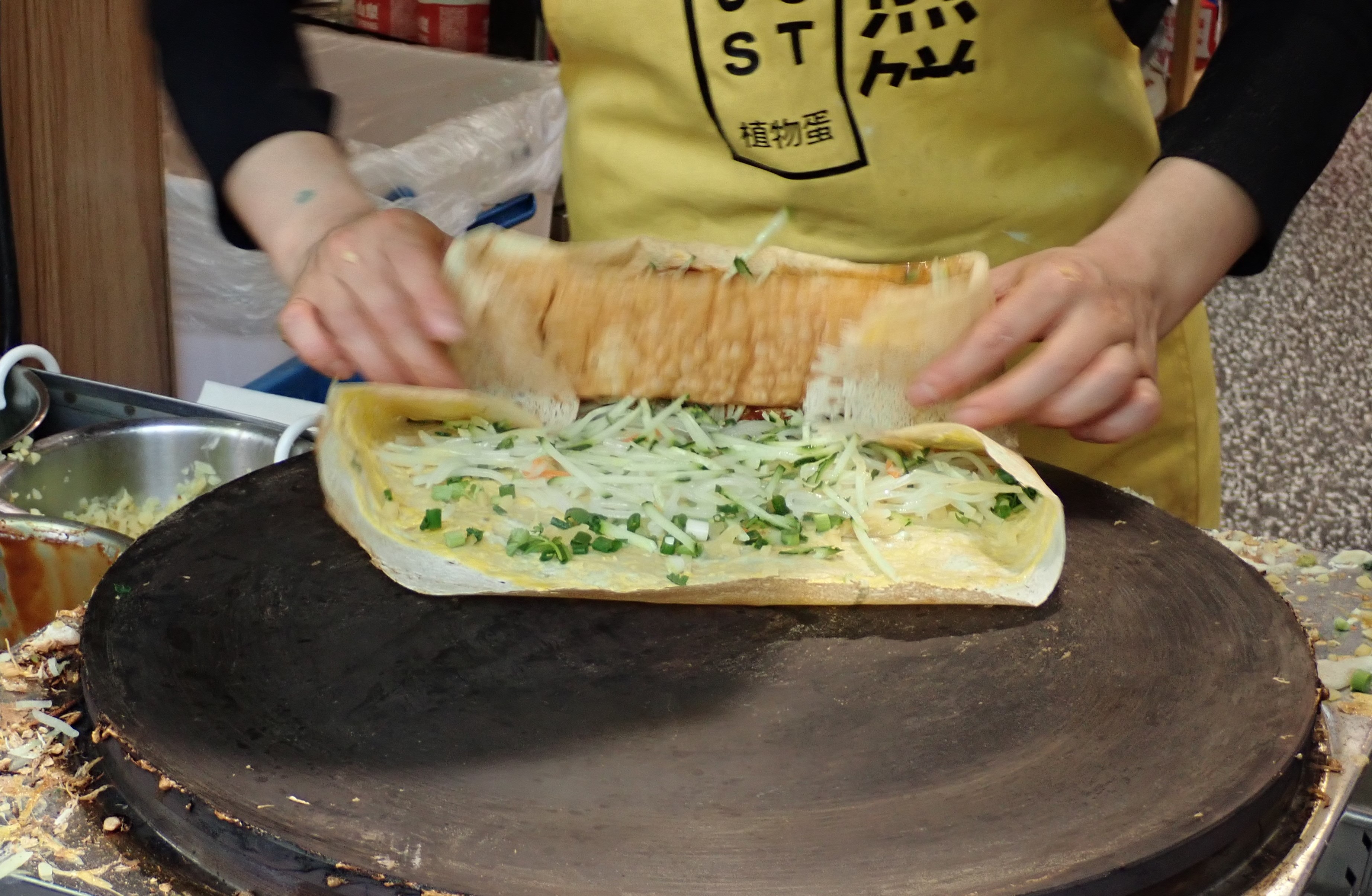
Our hotel was opposite a much older, low-rise, hutong neighbourhood, flanked by a row of shops where we found a stall doing traditional Jian Bing pancakes for breakfast in the morning, cheek by jowl with a couple of the tiny fancy coffee shops which have sprung up to cater for wealthy young Chinese (one coffee costs around the same as Jian Bing for three). I’ve wanted to try Jiang Bing since reading about them in Peter May’s China Thrillers, a series of detective stories set in Beijing. They are delicious, wafer-thin pancakes, filled with various combinations of vegetables, salad and potato and made incredibly quickly and dextrously on a huge griddle.
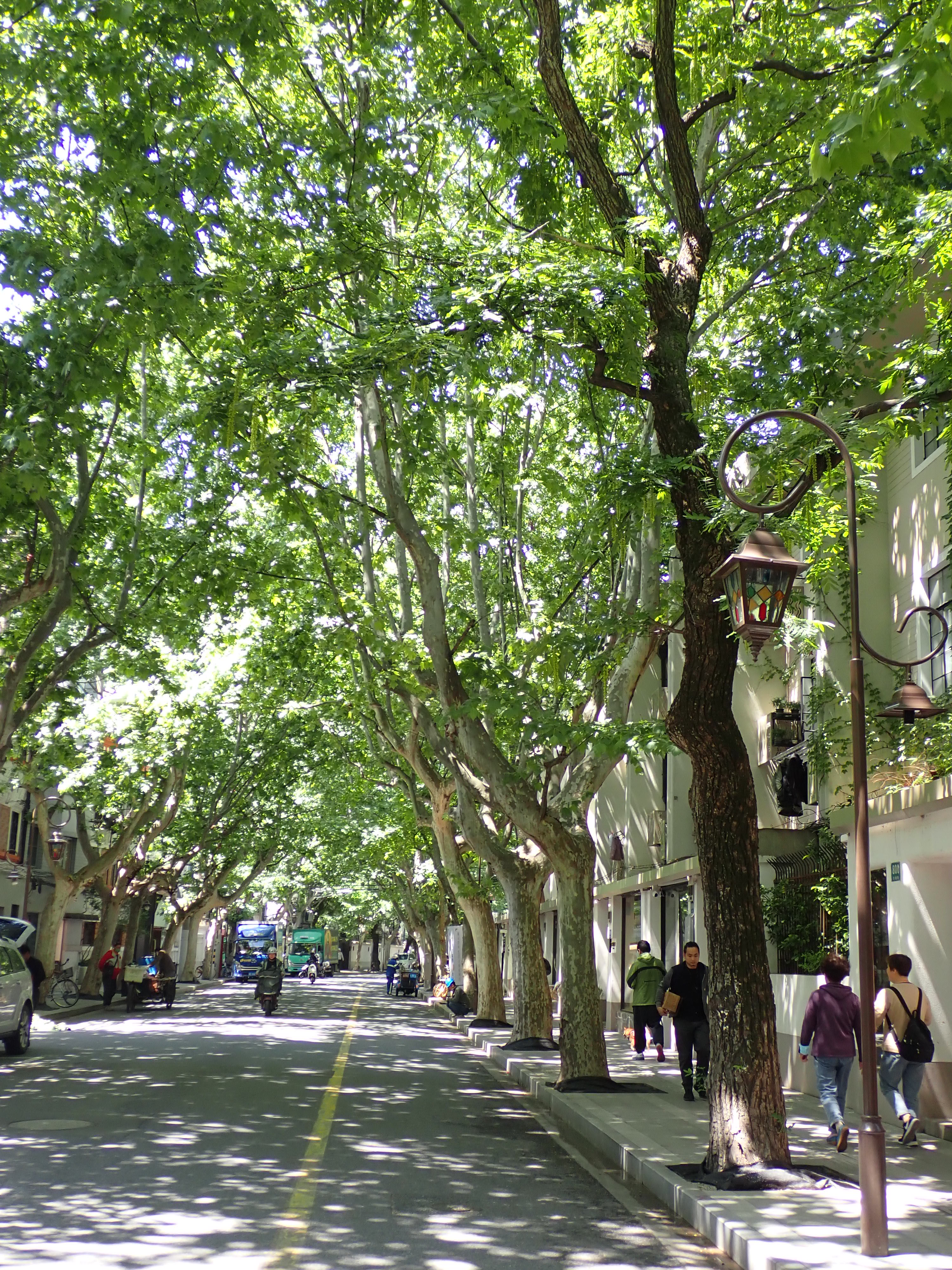
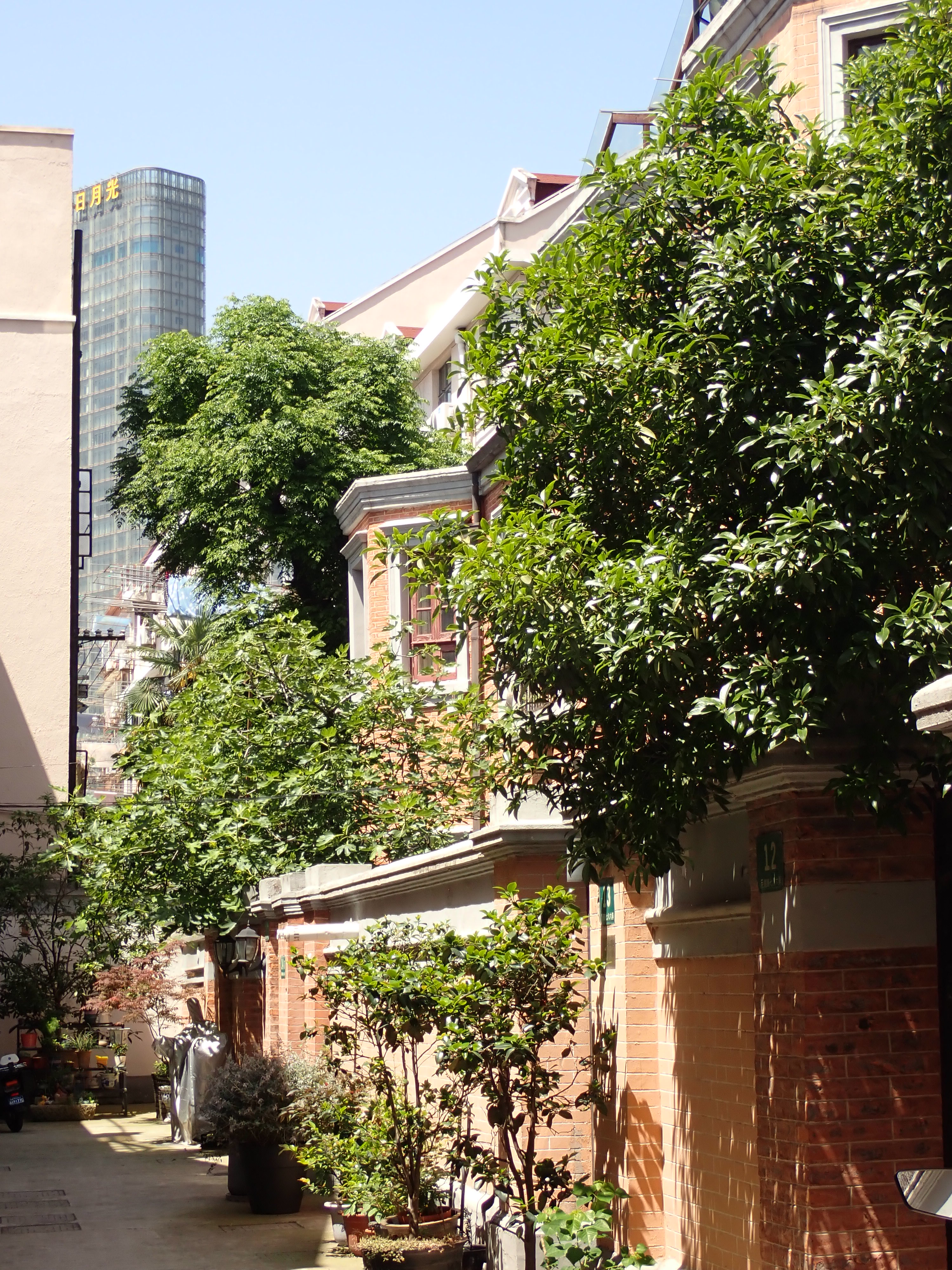
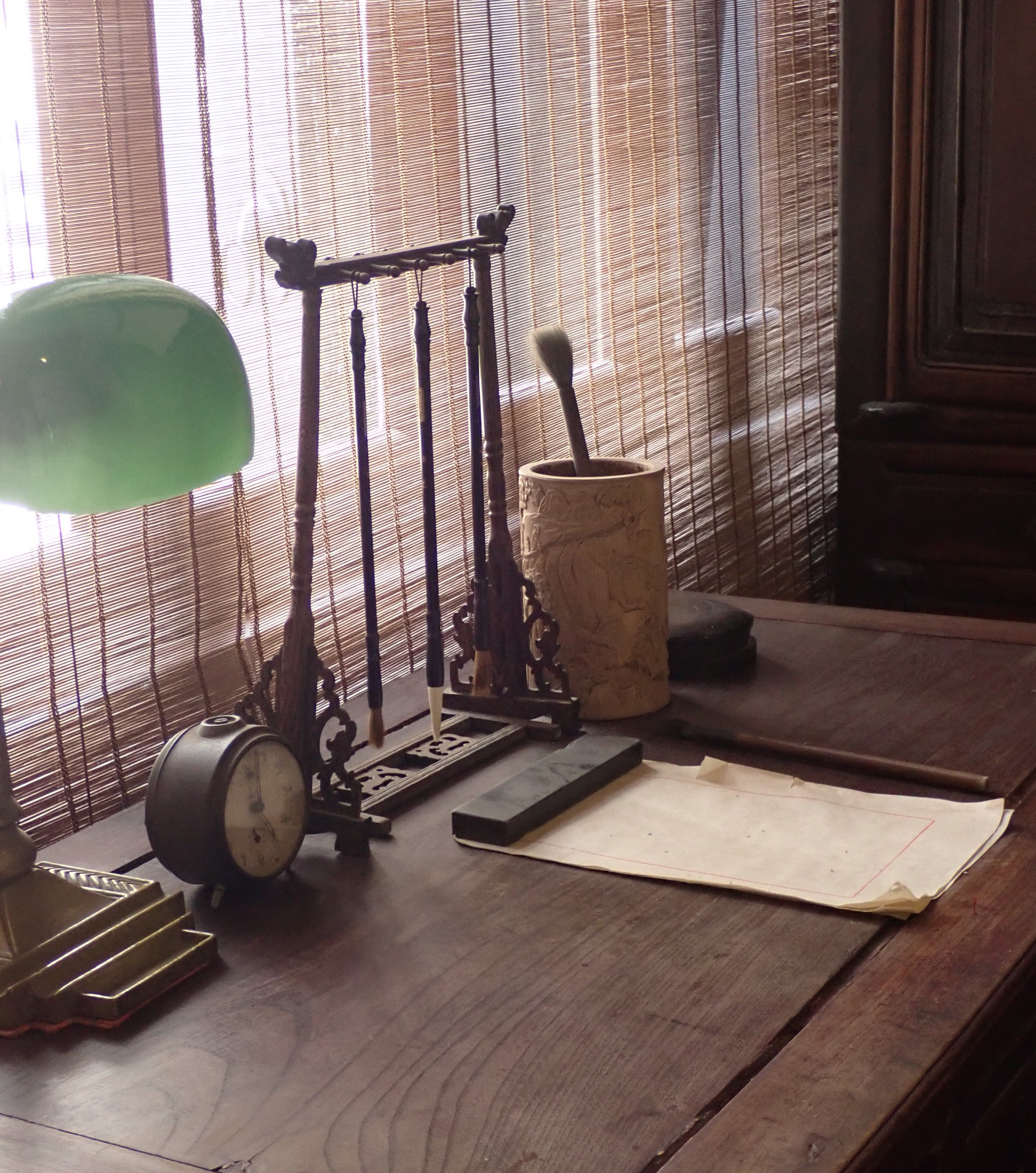
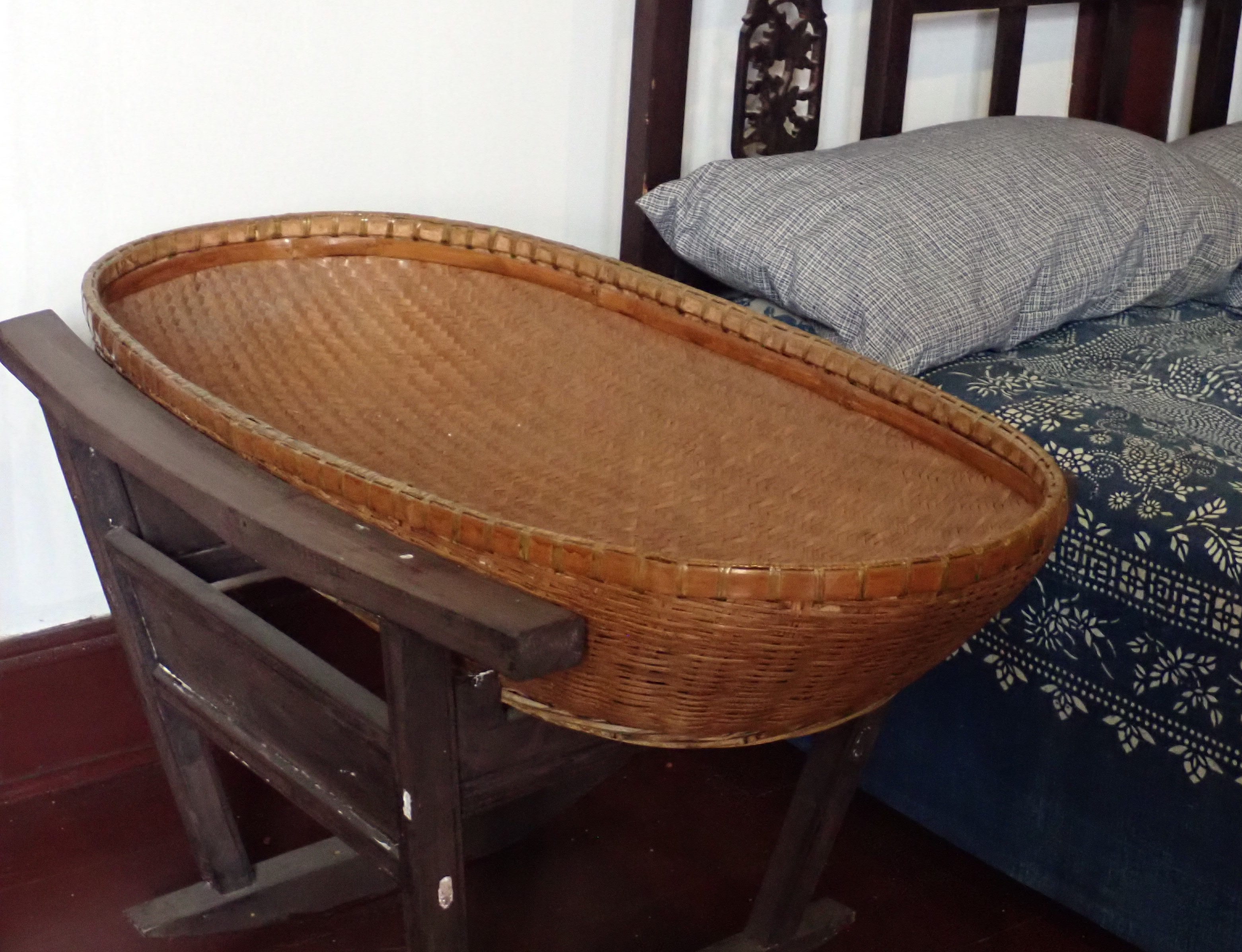
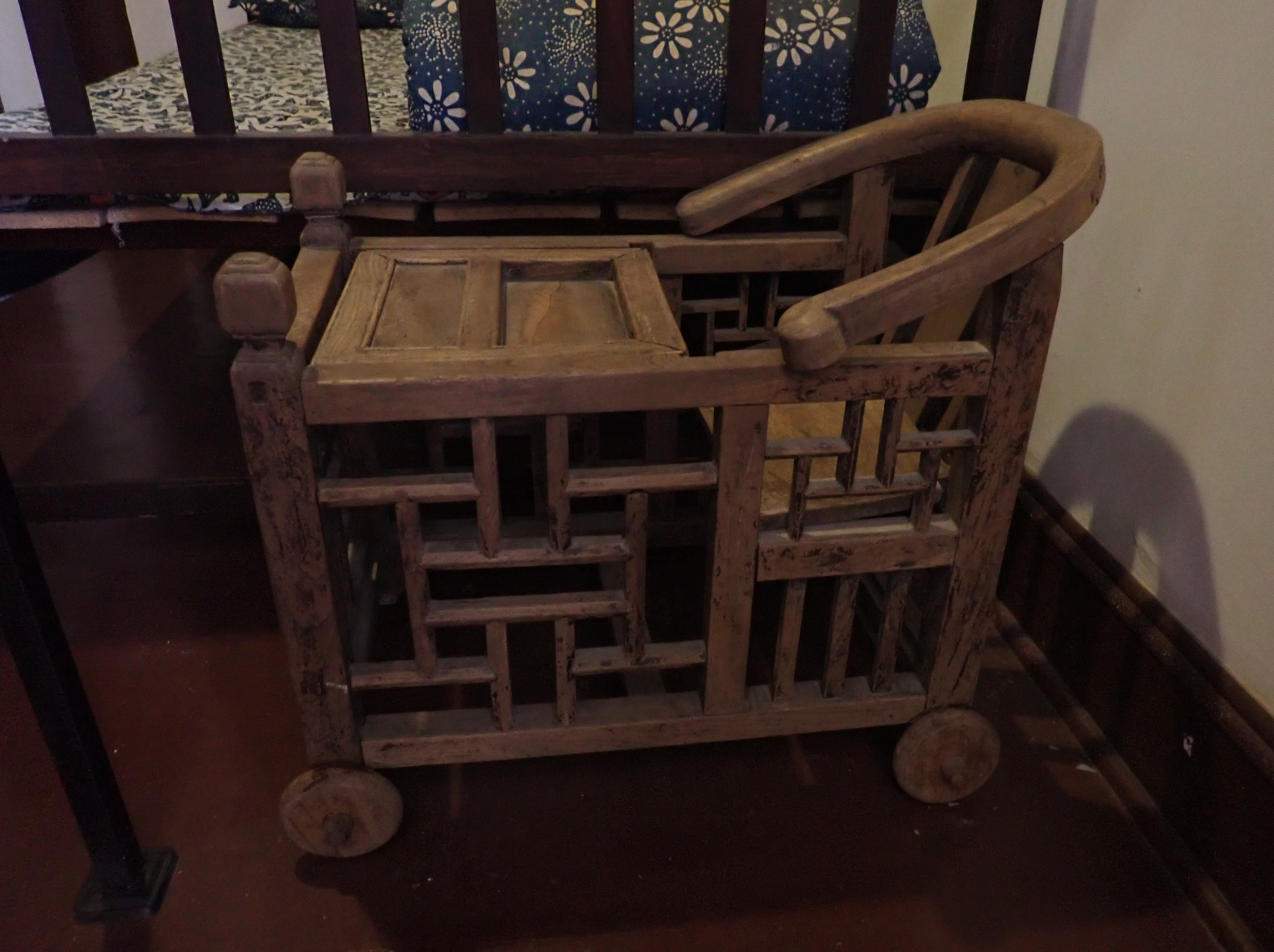
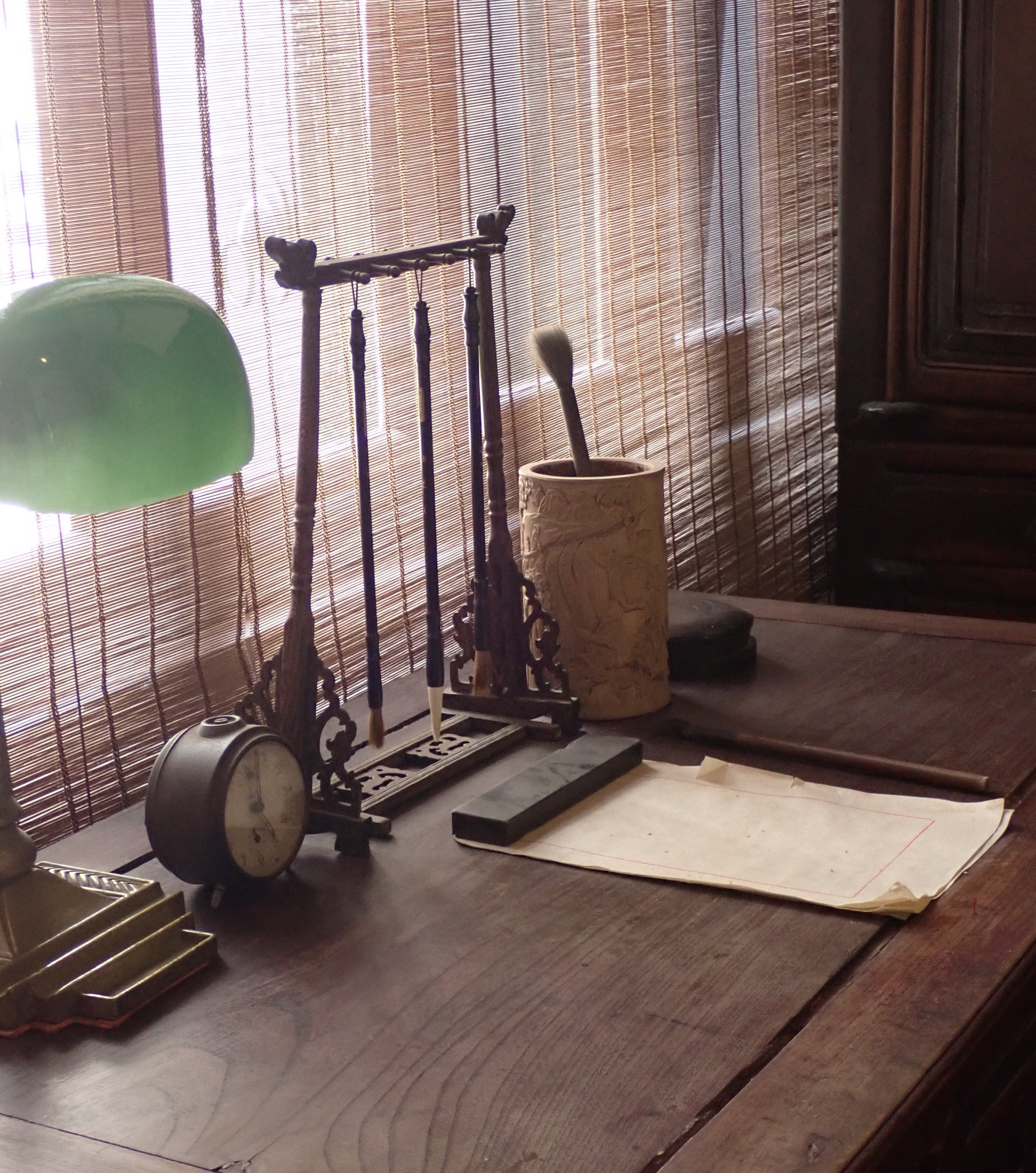
Hot weather was forecast so we settled on the Natural History Museum as a child-friendly indoor activity for the hottest part of the day. After a leisurely coffee we ambled through tree-lined back streets of mock-tudor houses and hutongs in that general direction, stopping off to look at a house where Mao lived in the 1940s, which was interesting for the furnishings in the domestic areas of a traditional house, more than anything else.

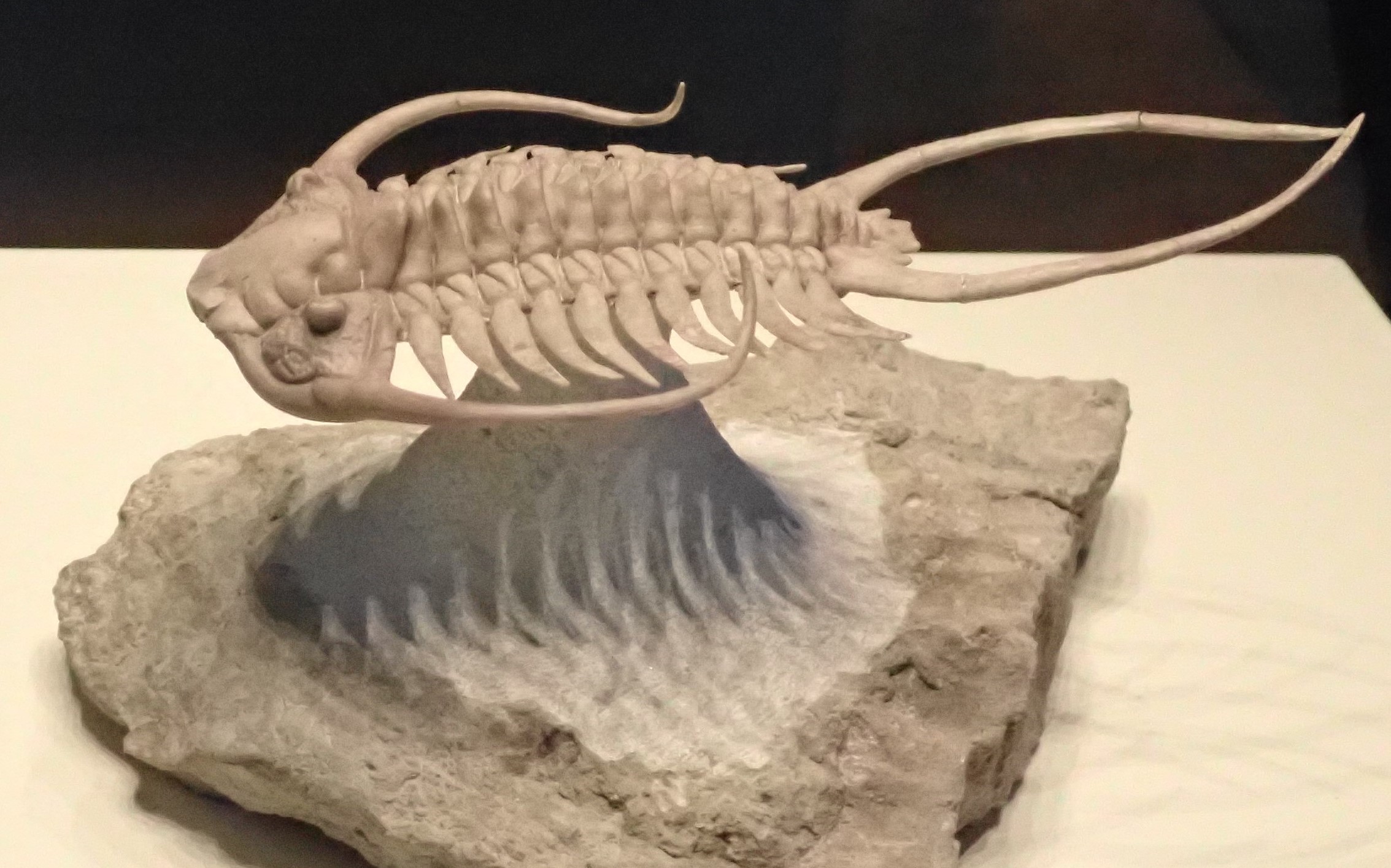
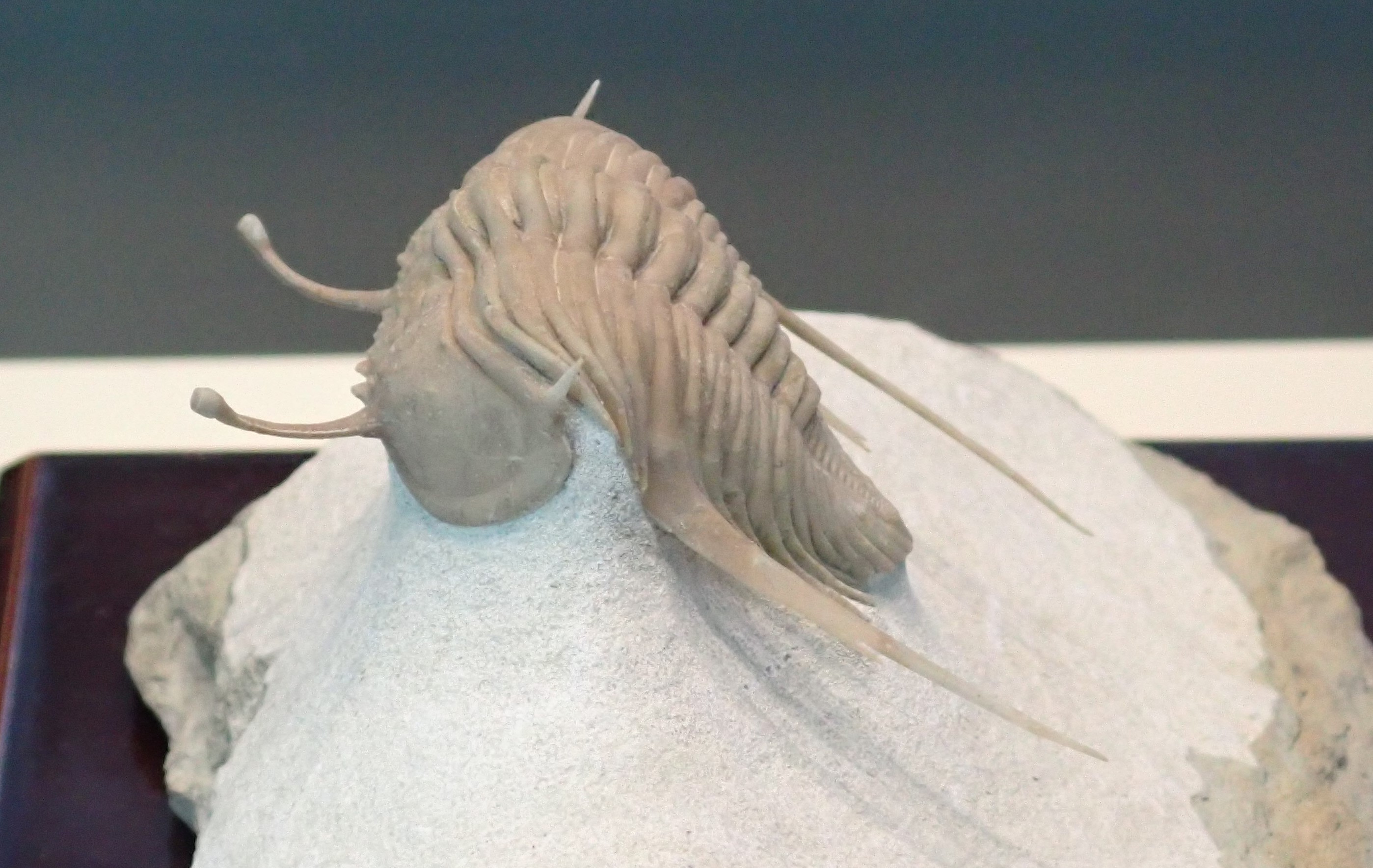
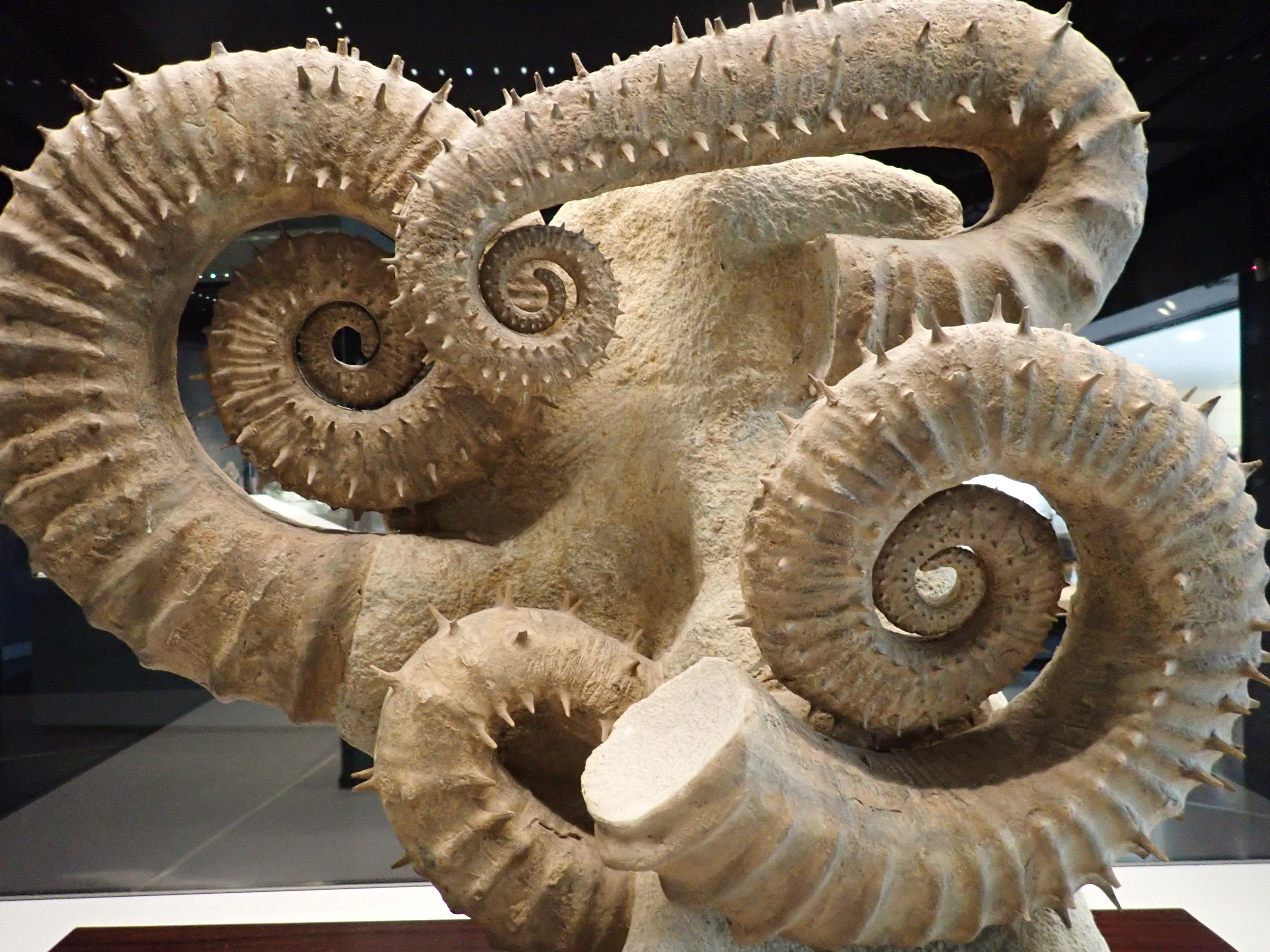
The Natural History Museum is housed in a beautiful new building and very well laid out and was lots of fun for Casper. The fact that most of the signage was in Mandarin, unsurprisingly, made the extensive fossil collection I was keen to see a little difficult to navigate, sadly, but I did get to see some fantastically-presented ammonites and trilobites.
Casper loved the large number of stuffed animals, particularly the African section, where the animals were grouped in a landscape. He spent the time rushing backwards and forwards on his reins, making happy, excited noises. Perhaps predicably he was less impressed (aka terrified) by the animatronic dinosaurs!
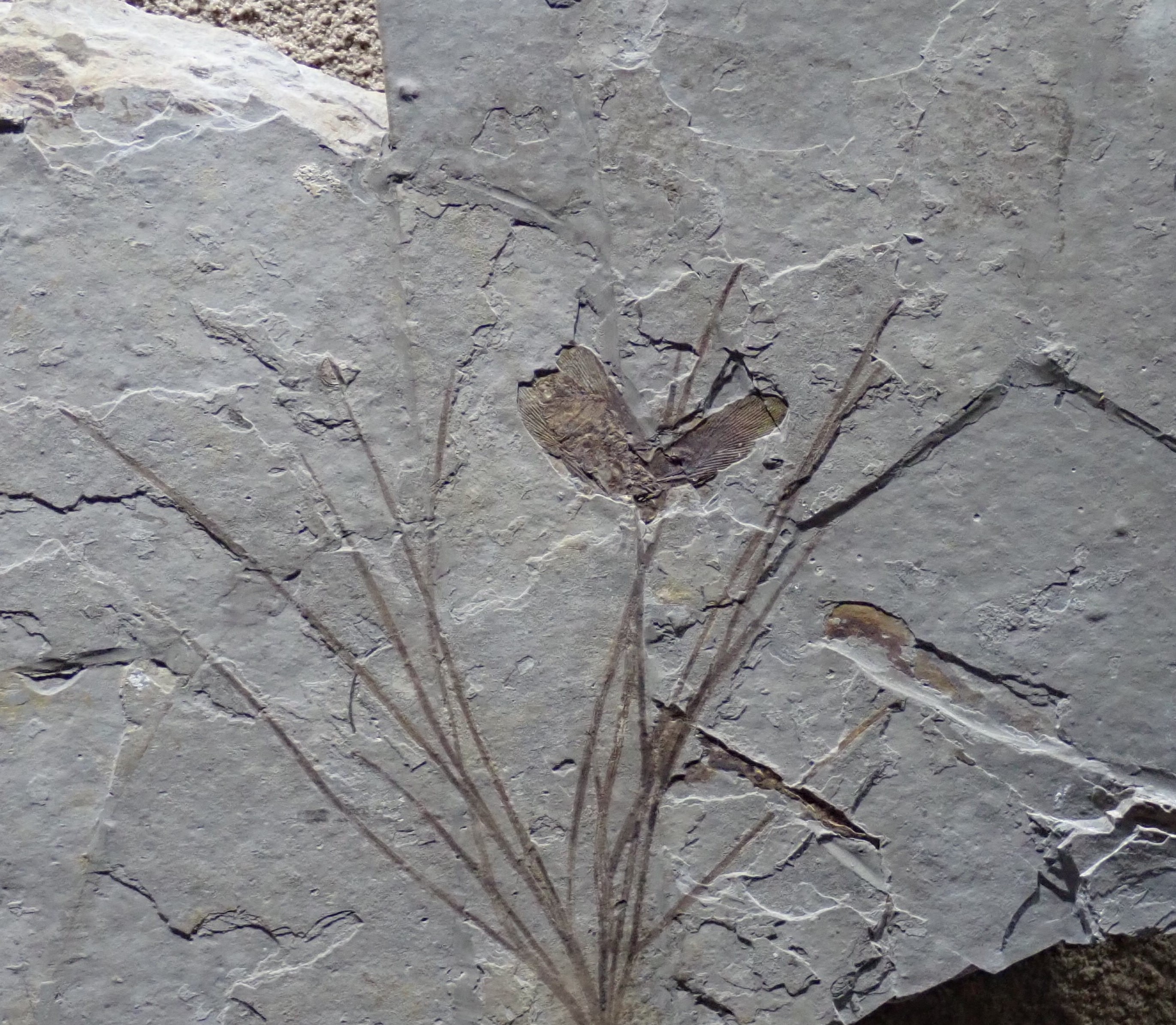
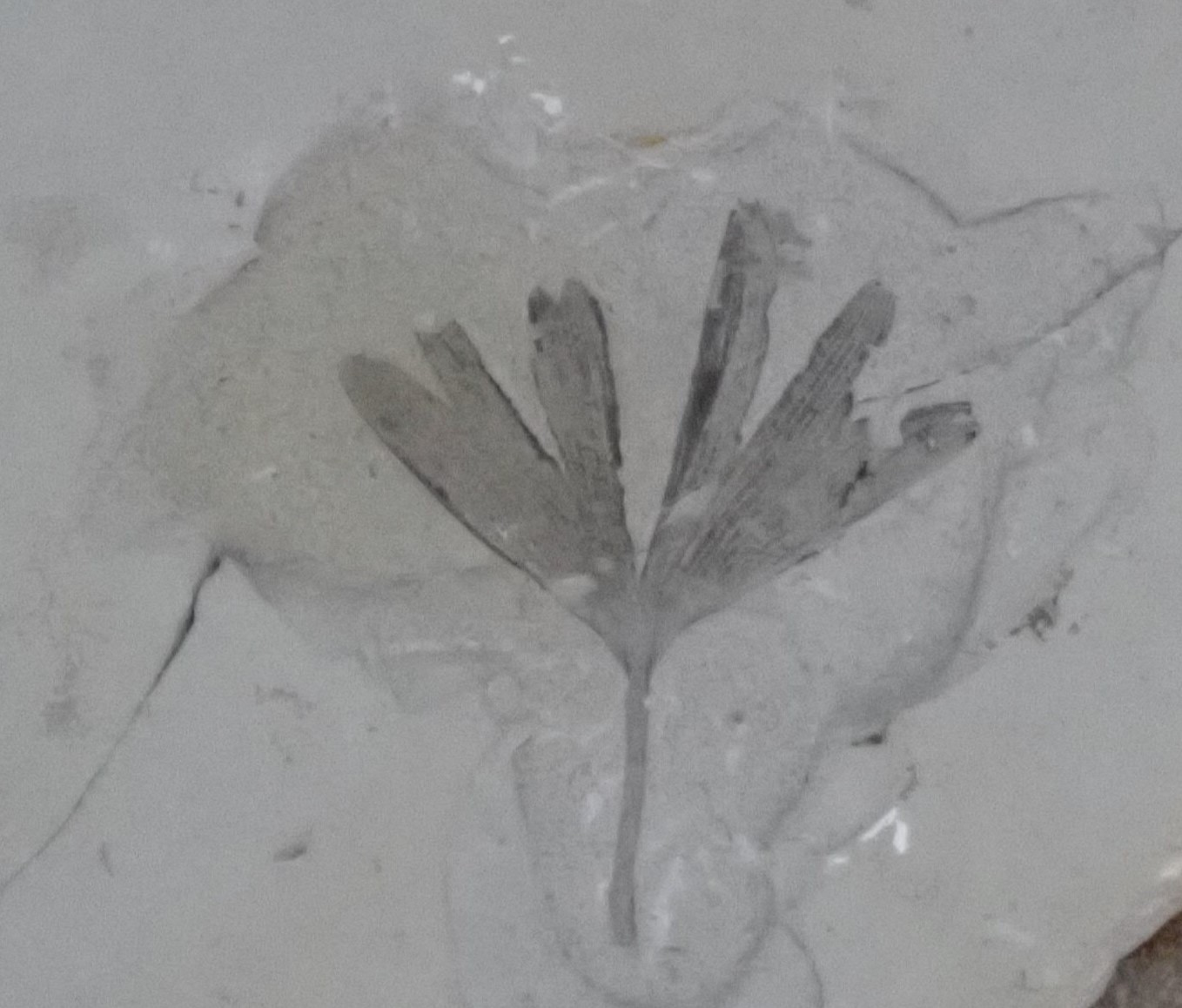
I need to do some more research into the Jehol Biota, uncovered in Liaoning Province in the far east of China, which seems to have been a particularly rich source of fossils of species which first occurred early in the Cretacious Period, some 130 million years ago. The implication was that plant fossils on display included early angiosperms interacting with insects but the labels on most specimens were very vague. The one on the right (below) I can recognise, though – my favourite Ginkgo biloba!
Once the heat of the day had passed, we took a service bus to the Bund for a daylight walk along the river, which was busy with commercial barges and passenger ferries.
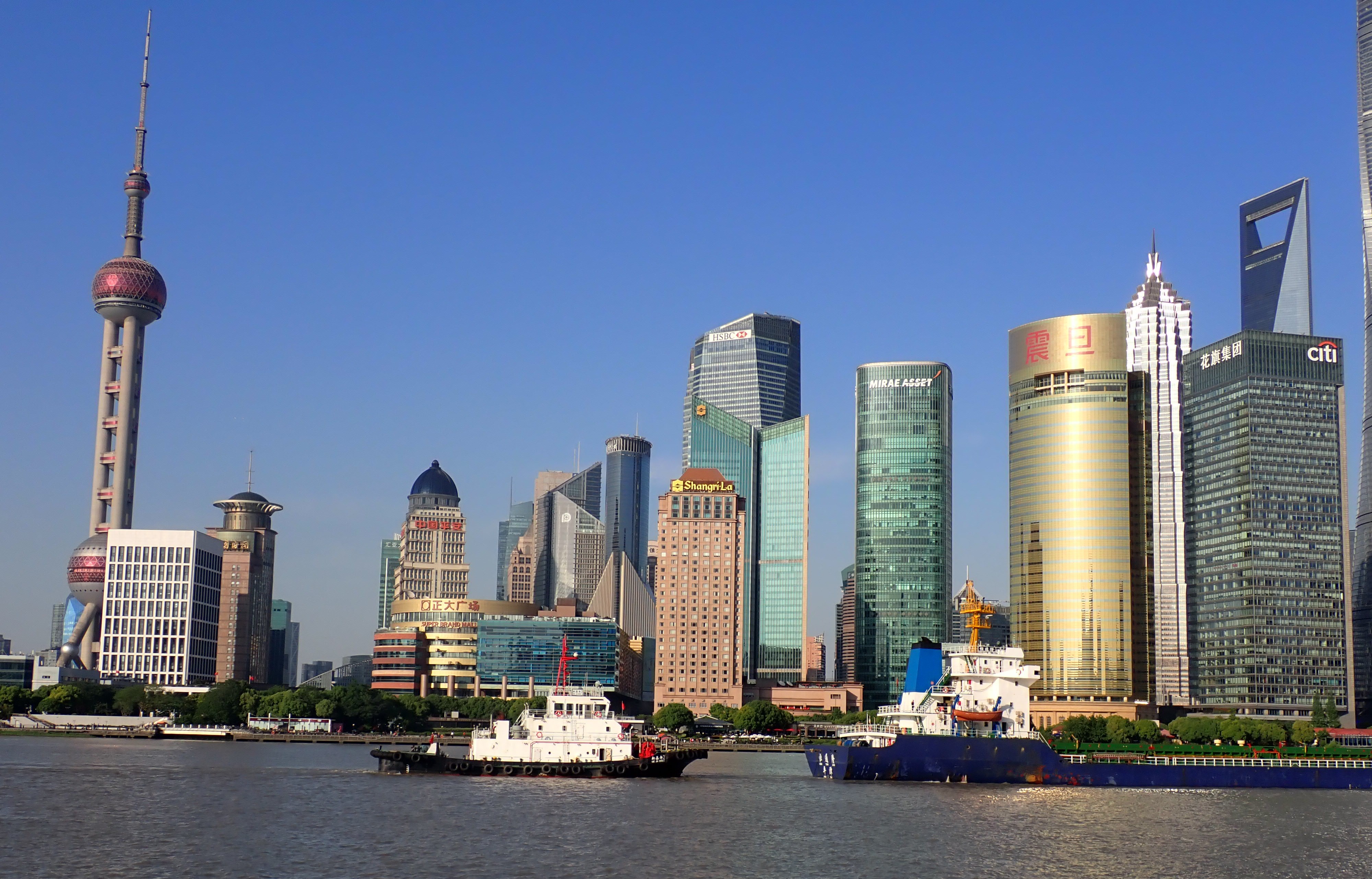
We’d fancied getting the ferry across the river and back, just for the fun of it, but chickened out when we saw the length of the queue and realised that, when the barriers opened, people were running onto the boat to secure a space – too frightening with a baby in tow. After a walk in the park we ate some rather indifferent food a couple of blocks back from the waterfront – the whole area was packed with tourists, and all that means for eating out. Even after dark the river was still full of commercial vehicles but also lots of brightly illuminated tourist boats, the most bizarre of which was shaped like a pirate ship!
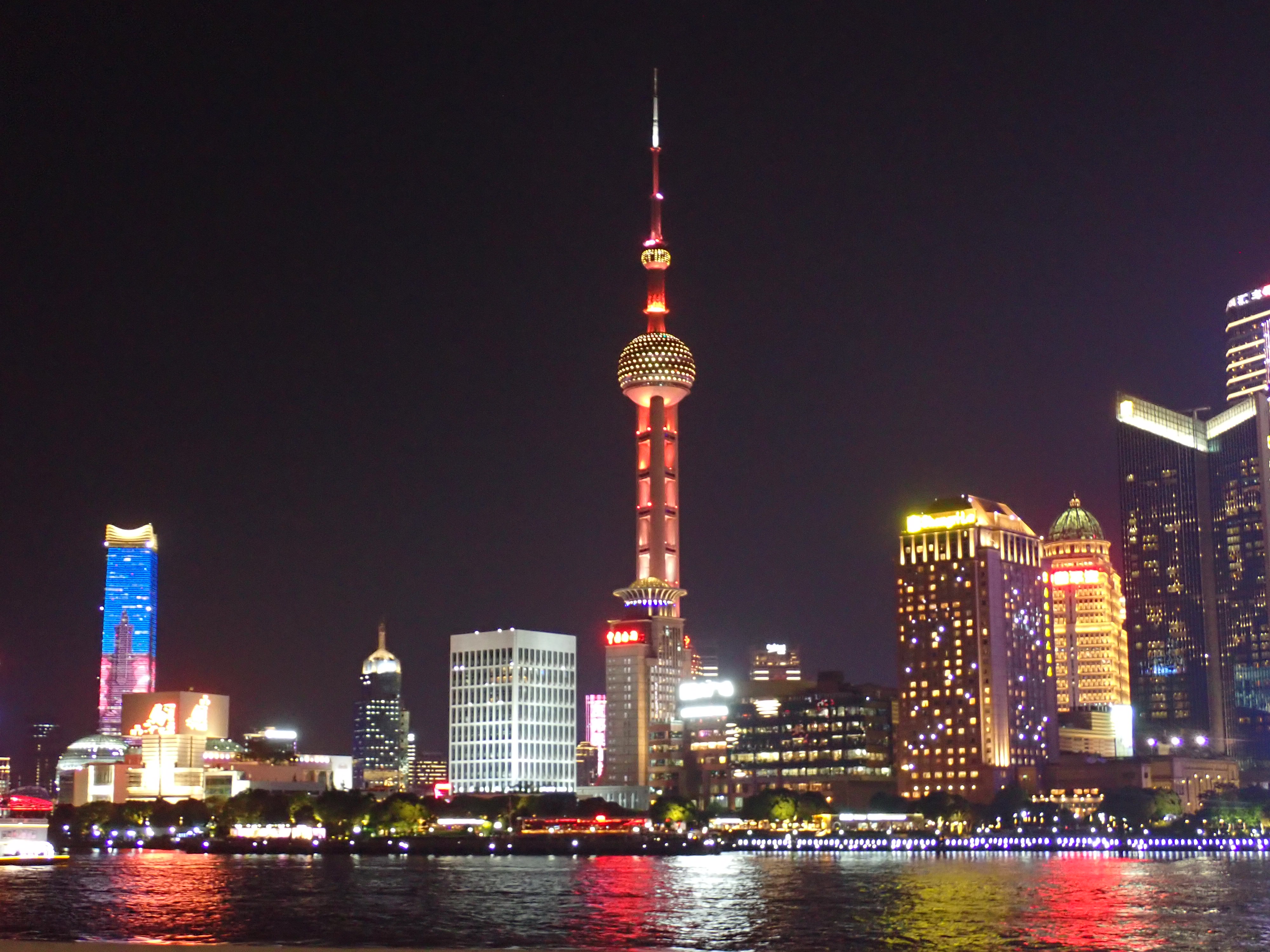
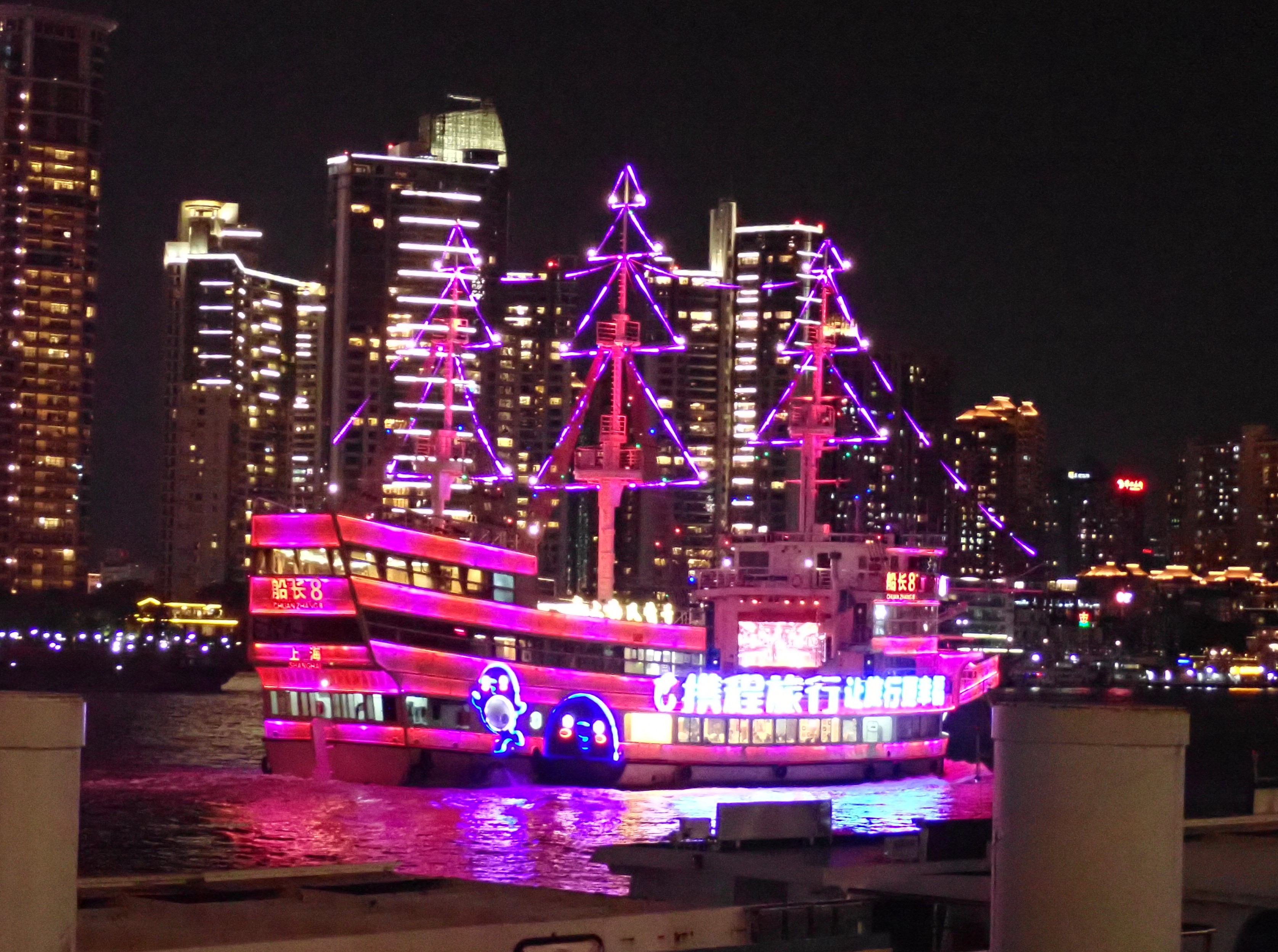
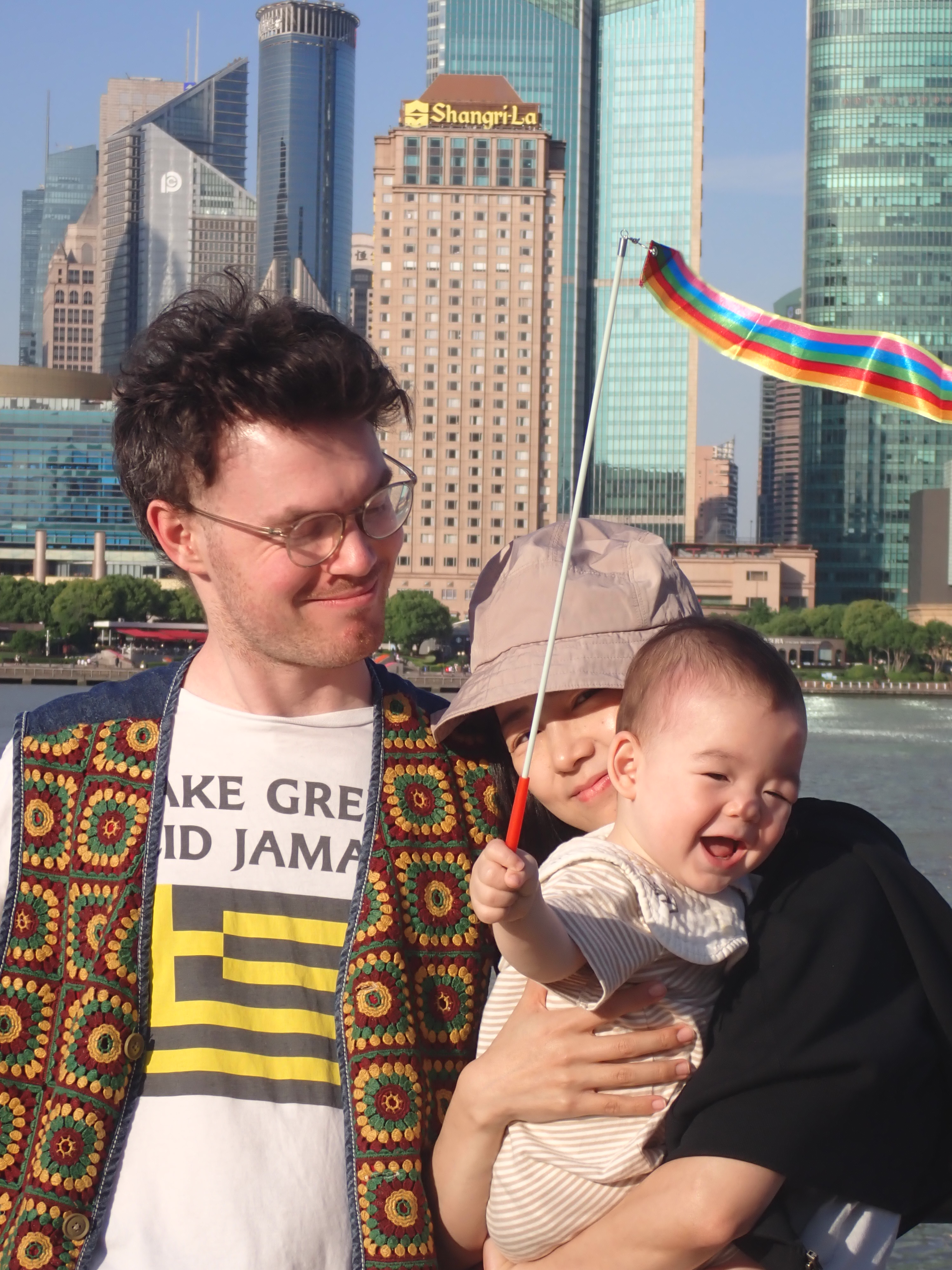
We all had to have our photos taken by Kate and Ed’s friend, Sissy, in the spirit of Shanghai’s answer to the classic leaning tour of Pisa photos…

In Shanghai we ate Vietnamese and Shanghai foods including crab from the river estuary and a tasty version of the egg and tomato we cook at home – Ed reckoned they’d added some tomato ketchup. If so, I like the result!
Now we’re home it’s back to 101 ways to use leeks and rhubarb, but we did have a rather wonderful tasting menu at Gauthier vegan restaurant in Soho on Saturday, before heading back north.
Now we’re home I’m back to reading ‘proper’ books and have just finished Cuddy, by local author Benjamin Myers. Ostensibly it’s the story of St Cuthbert, but Durham cathedral is an equally important character – I suspect anyone who’s every lived in and around Durham would love the book.
In the garden, ‘No Mow May’ is going strong. Some of the smaller plants like the Bugle are looking a little lost in the long grass but the Wood Cranesbill, Red Campion and Dame’s-violet are looking wonderful amongst the buttercups. The Marsh Marigold has been succeeded by abundant Water crowfoot flowers.
In the allotment everything is growing like mad, including lots of False Oat Grass, which I want to cut back before it flowers in the hope of avoiding full-on hayfever. I’ve planted beans and more peas, all my potatoes and lots of salad leaves this week. The hot weather means plenty of watering till things are established.
Postscript – We’re home now and I brought with me a little souvenir from Wuhan which has meant more time in the garden last week than I’d anticipated, whilst keeping out of everyone else’s way… #SilverLinings
 heatherkellyblog - travel with me and wonder at what you see!
Fascinating!
Oh – just realised what your postscript means! Hope you’re better soon x
Just realised what your postscript means! Hope you’re feeling better soon x
That was nearly a fortnight ago – I’m fine now, thanks 😊 Makes for a good traveller’s tale though!
Nice Blog!!!