A blog posted even later than normal because the middle of June was time for one of the highlights of my year, doing the field teaching I love most of all and learning as much as I teach. Staff and postgrad demonstrators all help out running a wide range of activities to showcase some key ecological techniques with a wide range of organisms and habitats. The second year Ecology module at Durham runs as a week-long field trip in Arnside and Silverdale AONB at the end of students’ first year, which prepares them for largely self-directed learning during their second year. In the course of the week, we visit sites such as Gait Barrows NNR and RSPB Leighton Moss to learn about conservation strategies for plants and birds and think about issues such as how habitats and the ecological niches of different species change over time. At night we set up nocturnal monitoring activities using moth, camera and small mammal traps, which get checked every morning. Learning about organisms I have never studied, and which are largely nocturnal and invisible during the day, is fascinating. This year students found mainly Wood Mice and Bank Voles, plus one or two Pygmy Shrews, with a surprising highlight being a trio of Wood Mice which had somehow all managed to get into the same Longworth trap! On an early morning run I saw a larger mammal too – one of the many Red deer in Fleagarth woods, near the campsite. The camera traps picked up more of these this year than we’ve seen in the past, along with several badgers.

The whole area is rich in wildlife of every sort, but the saddest thing this week was the lack of pollinators, which meant we couldn’t run the plant-pollinator interaction activity we’d planned. We did find moths in the moth traps, but nowhere near as many as last year. I’m hoping things are just delayed by our very wet spring, but it’s worrying and seems to be a widespread issue. The moth traps had more moths than I’ve been finding at home this year, at least, including a couple of new species for me; Lilac Beauty, Apeira syringaria, whose larvae feed on Honeysuckle, Ash and Privet, and Barred Yellow, Cidaria fulvata, whose larvae prefer roses. There were also lots of Buff Ermine moths, Spilosoma lutea, which I do find in the garden at home.
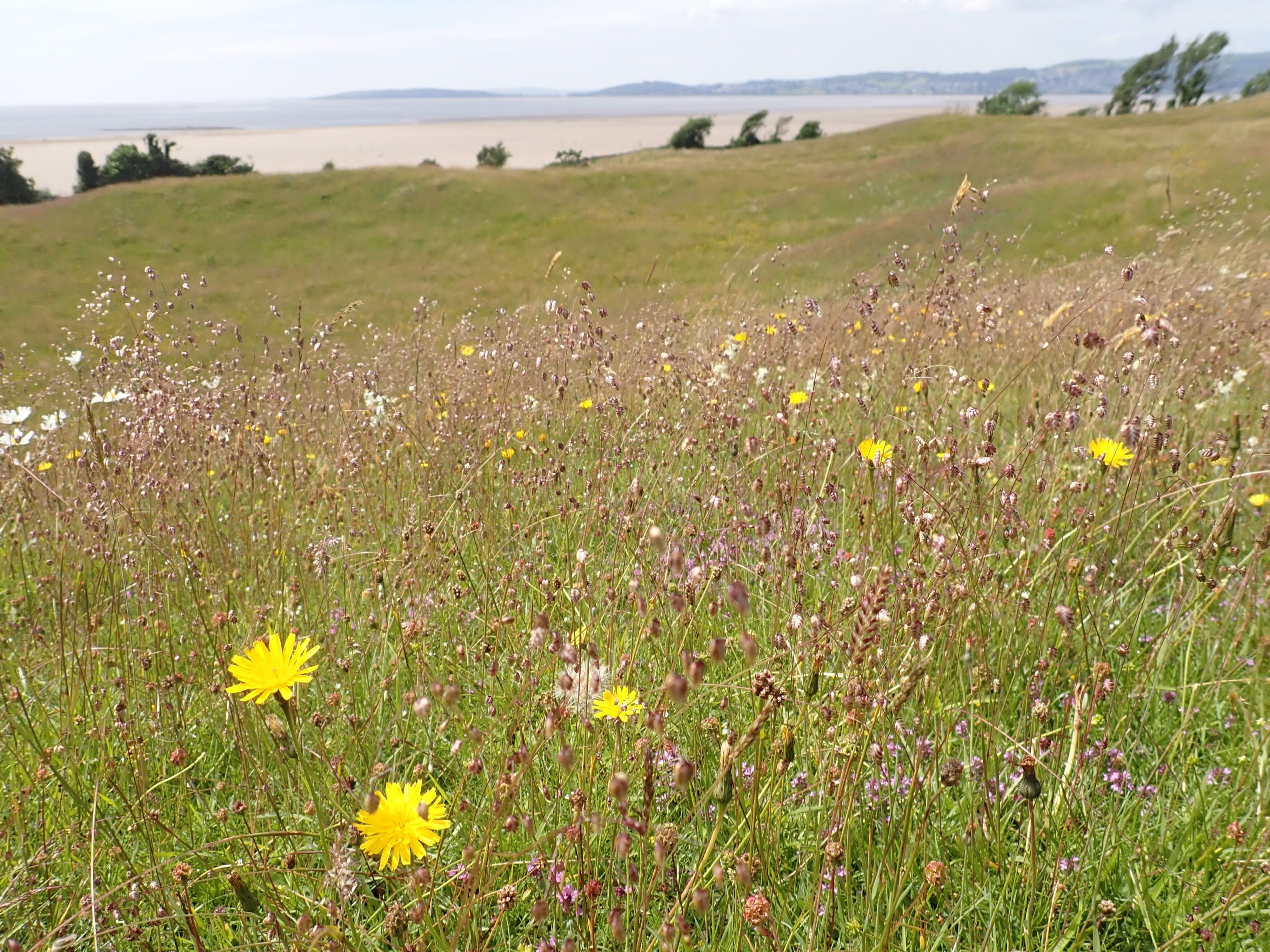
It was great to see students working hard at getting to grips with the General Key in Rose (The Wildflower Key) during our first plant ID sessions on Jack Scout, near the campsite, though I did explain that the whole point of practising getting familiar with plant families was never to have to use the general key again! When Camilla and I had some spare time during the week we scoped out a nicer place to do our initial plant work, in a species-rich meadow on the edge of Silverdale village, with lovely views over Morecambe Bay – who wouldn’t enjoy working here! The very thin, alkaline soil on the sloping field allows lots of small plants to flourish, with abundant Wild Thyme, Rock Roses, Field Madder and Dropwort, amongst others. What was also encouraging was that the big patches of Thyme were full of bees and other pollinators – we could happily have done a pollinator counting activity here.

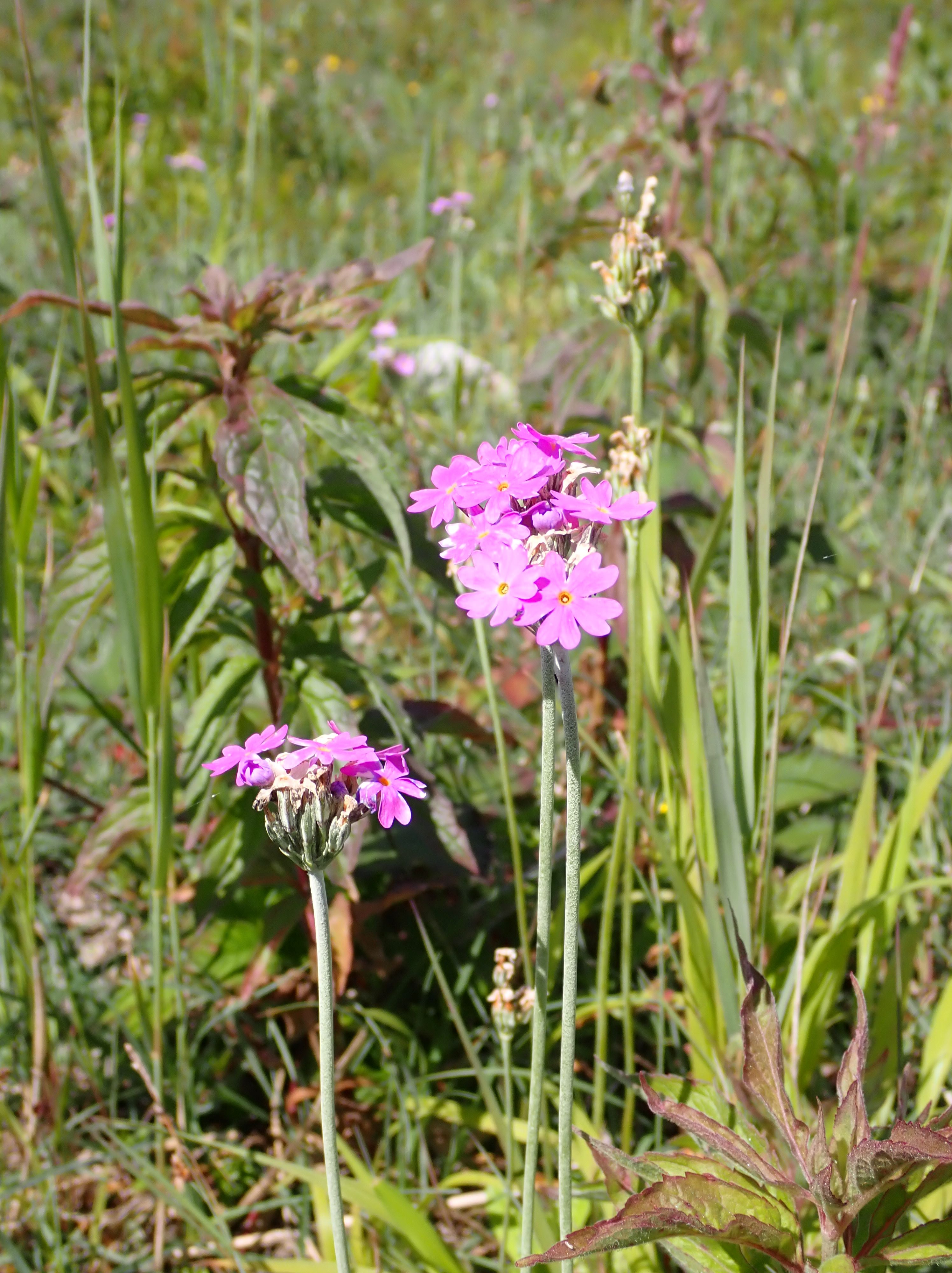
Our day at Gait Barrows was interesting, with talks from the rangers explaining about the successful Dormouse reintroduction programme they are running but also about the difficulties they’d experienced when wanting to cut down some of the Beech plantations around Hawes Water. The aim of this was to open up an area of rare marl grassland on the calcium-rich soils by the lake but, with the public so enthusiastic about planting trees to address climate change, it was a hard sell locally. The dense shade cast by the canopy of Beech trees planted as close together as these were limits the wood’s value as a habitat and the trees were, after all, originally planted as a crop. It was good for the students to hear about the conflicts which can occur between environmentally-conscious members of the public and conservation organisations trying to promote biodiversity, and to think about such issues can be negotiated. Although it was very hot and dry when we were on the marl grassland, the size of the Bird’s-eye primroses (up to 20 cm tall) was a real eye-opener for me, more used to the miniature versions in Upper Teesdale!

We also looked at the habitat provided by the grykes or cracks between the blocks of limestone which make up the limestone pavement – when exposed limestone blocks are heated and baked dry by the sun, the grykes are a shady haven for plants, up to 10 degrees Celsius cooler and retaining their moisture for much longer than surrounding areas. They are a good place for ferns, and also host prostrate juniper bushes and small trees, whose roots can penetrate the fissured rock. We looked, without success, for tiny Adder’s tongue ferns in the grassland below the limestone pavement only to find afterwards that the students had found them over lunchtime but hadn’t thought it worth mentioning!
Of course Leighton Moss bird reserve was another highlight, even for someone with as little bird knowledge as me. The Osprey we watched circling and hovering for longest time from the Causeway Hide, before diving and catching a fish, was a magnificent sight, as was the female Marsh Harrier seeen from the Tim Jackson hide. The Great Crested Grebe carrying chicks on her back, before tipping them off to fend for themselves, provided light relief. And there were plants to look at too, providing a range of habitats and a solid base to the food chain. Emergent vegetation such as Water dock and Greater Tussock Sedge, which forms such inviting nesting sites, are important for damselflies and other insects as well as birds, as are flowering plants such as Valerian, Marsh Bedstraw, Figwort and Skullcap as sources of nectar for pollinators.


A first attempt at the boardgame ‘Wingspan’, in Rosie and Sam’s garden, where you have to try and attract the ‘best’ birds to your nature reserve, seemed a fitting way to round off the week!
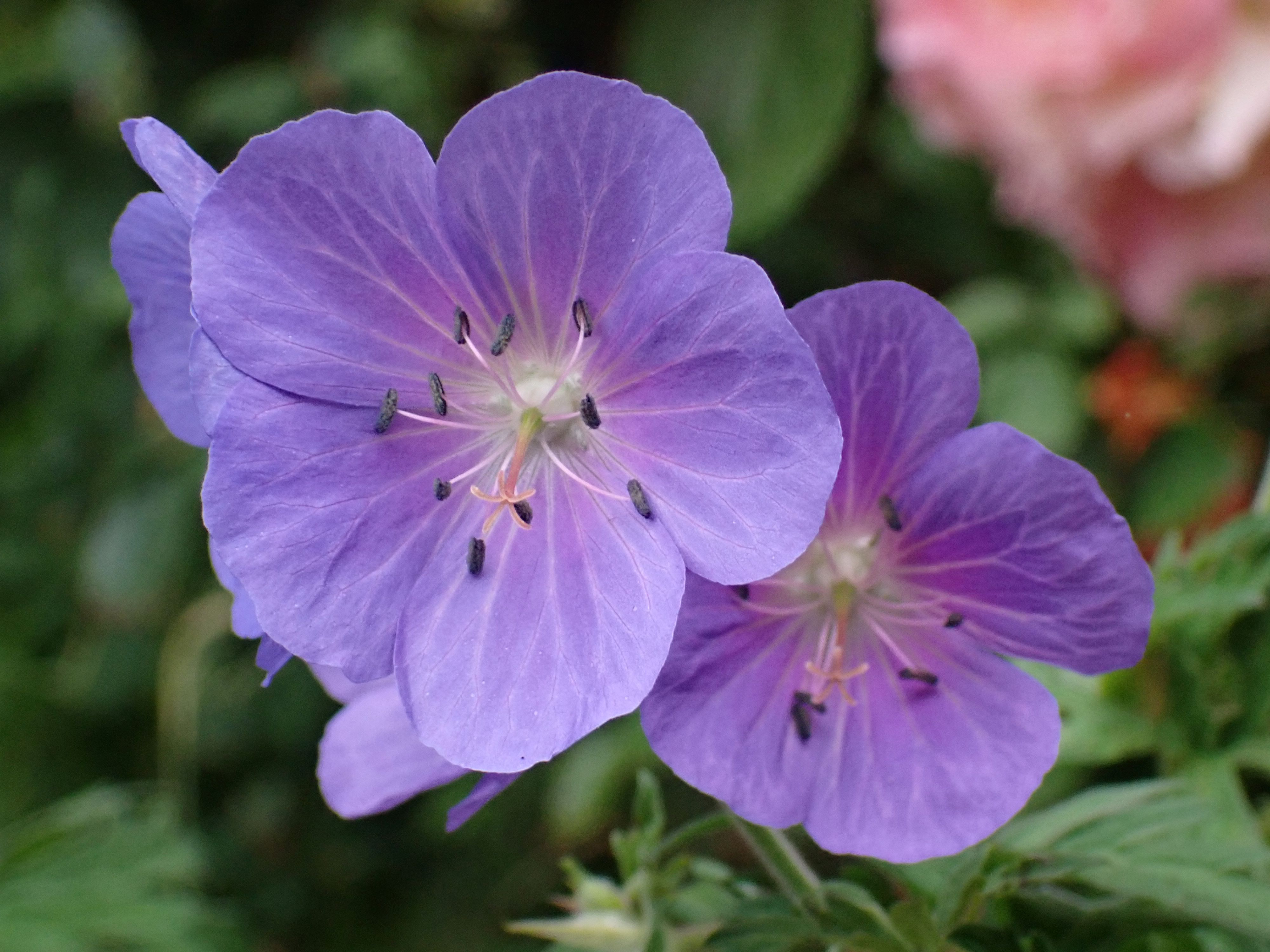
In the garden I’ve been clearing some of the rank grasses to give the geraniums, including the wild Meadow Cranesbill I’ve grown from seed, a little more breathing space.
In the allotment the first gooseberries are nearly ready to pick but Brambles and Bindweed are growing at an astonishing rate and nearly swamping many of my fruit bushes.
This week I’ve been reading The Seventh Son, By Sebastian Faulks, a very thought-provoking novel about what it means to be human. The story revolves around a child born by IVF, after DNA from Neanderthal bones is inserted into his human father’s sperm. I never thought I’d read a novel featuring PCR (the Polymerase Chain Reaction used to amplify tiny amounts of DNA for genetic sequencing)!
 heatherkellyblog - travel with me and wonder at what you see!
I’ve got tiny little pink cranesbill all-over my “grass”
[…] by the river. Water Figwort looks rather different to the common version I saw at Leighton Moss, last week, with brighter red flowers and broad white edges to each sepal, which are easier to see when the […]