This was a week of great excitement, if not always for its nature watching opportunities. Our son and his family arrived from China so we’ve had a two year old to entertain and to entertain us! He was pretty jetlagged the first few days we were in London together which meant multiple trips to the park each day, some very early and late! He’s intrigued by foxes, which we’ve sometimes seen there, but this time the nature watching was limited to birds, including Green Woodpeckers. It’s lovely to see his fascination with everything around him – blowing dandelion ‘clocks’ and floating leaf ‘boats’ in the bird bath in his Great Grandma’s garden are big hits but the best of all is the apples on her tree and any ‘broken’ ones on the ground – watching the ants eating them turns out to be top class entertainment! Anything food related is powerful motivation for him at the moment, to be fair.

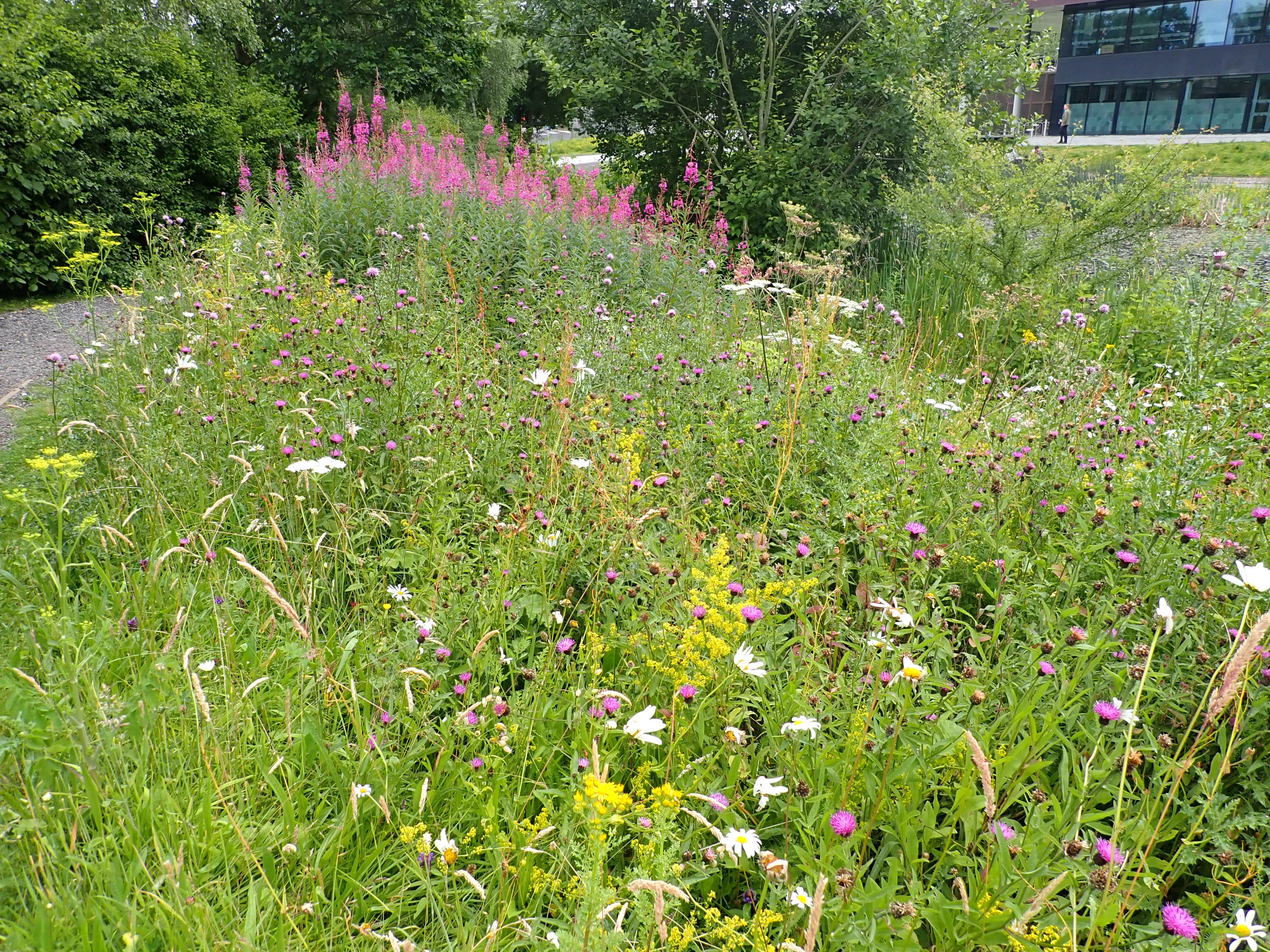
The weather in the North East this week left a lot to be desired so opportunities for being out in the garden and allotment were limited and an activity in the Botanic Gardens we’d planned for a group of Y6 children ended up having to be held in the glasshouses. The good thing about the university’s reduced mowing regime is that we were able to collect a wide range of wild flowers to look at with hand lenses from within a very short distance of the gardens to help them understand the different adaptations of wind and insect-pollinated species. These included Rosebay willowherb, Ragwort, Mallow, Ox-eye daisies, Bird’s-foot trefoil, Red and White clover, Knapweed, Black Medick, Self-heal and several grasses.
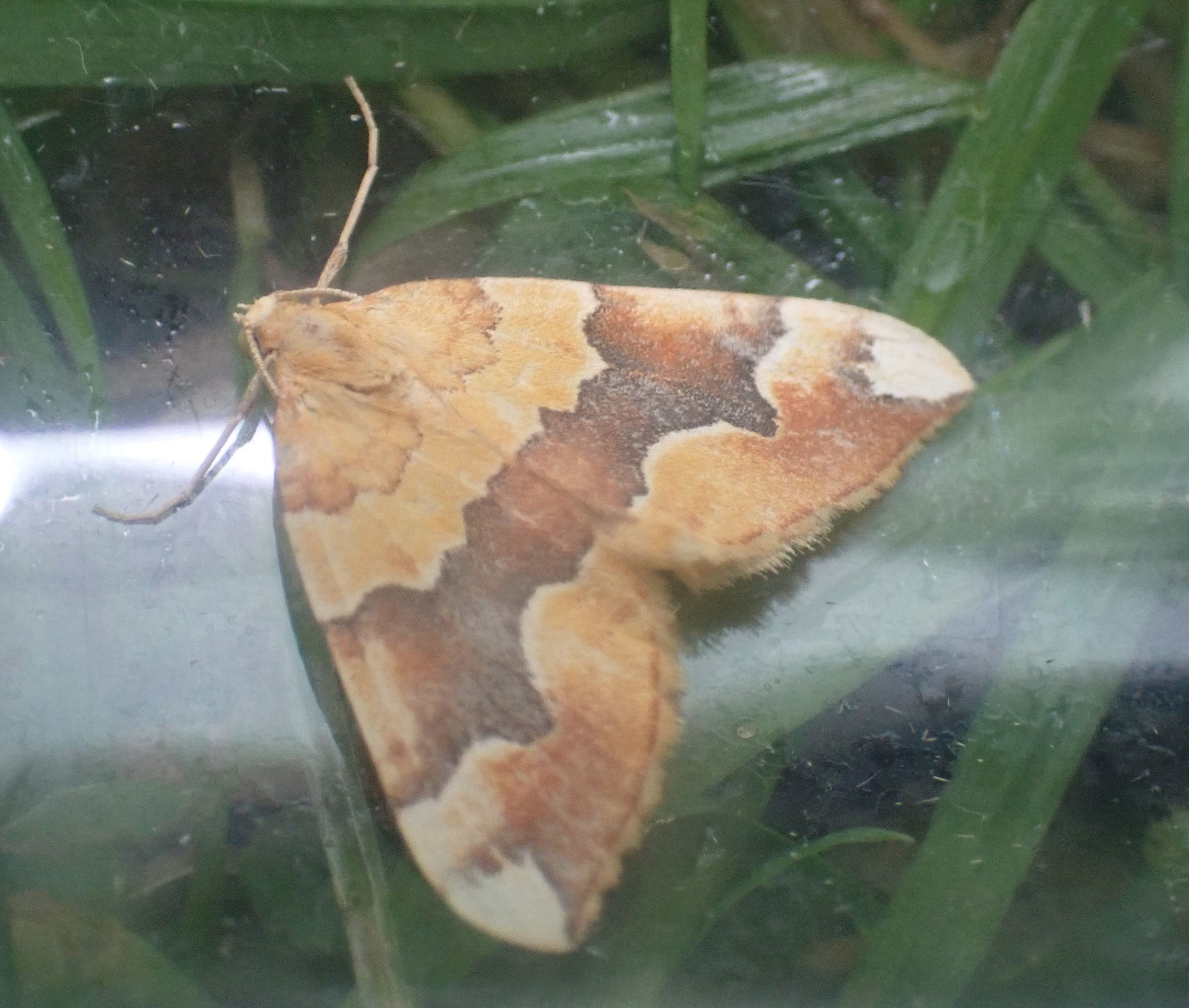
I did get my moth trap out at the beginning of the week before the rain set in and was delighted to catch a Barred Yellow, which I’d only seen previously at Silverdale. Its larvae feed on roses so I suppose it shouldn’t be a surprise as the roses in the garden are doing so well this week.
The time we spent driving to and from London can feel a bit like dead time but there is always scope for a bit of roadside botanising! There seems to be lots of Alfalfa on the road verges round the M25 and we saw what I thought were whole lavender-coloured fields of the same, but then realised they were Phacelia tanacetifolia – used as cover crop or green manure and loved by bees.
In the garden this week I’ve been admiring the profusely-flowering Meadow Crane’s-bill plants I grew from seed and watching rather soggy bees nectaring on a Foxglove which is way taller than me!

 heatherkellyblog - travel with me and wonder at what you see!