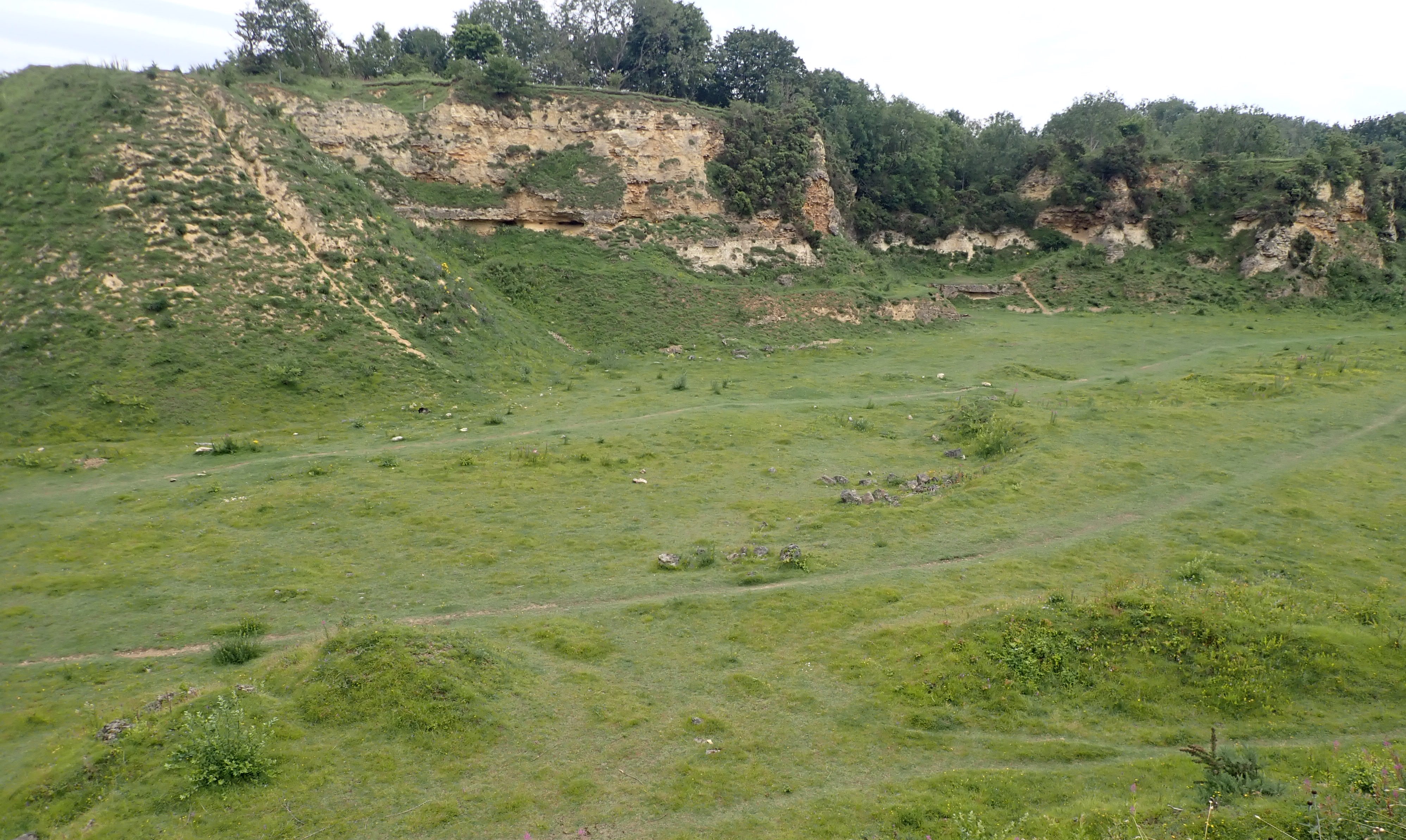
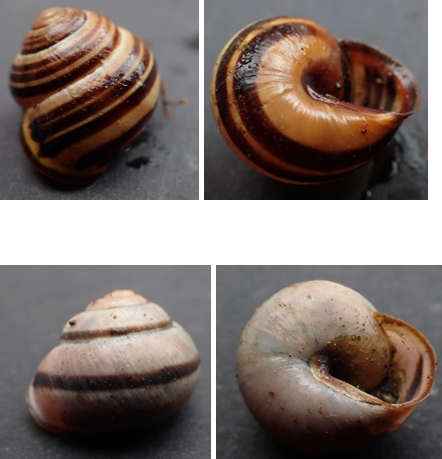
This has been a good week for getting out and about and enjoying some lovely autumn weather. We took our new students out in the field for the first time and were blessed with dry, reasonably sunny weather for all our trips to Bishop Middleham quarry, which has a big impact on how the students feel about the day! The practical is designed to get students thinking about natural selection and the factors which affect the colour and patterning of Brown-lipped snails, Cepaea nemoralis, in the woodland and open grassland areas of the nature reserve. C. nemoralis produce shells of at least three colours, with between zero and five brown bands on the body whorl, and both features are inherited and subject to natural selection. Comparing the colour and banding patterns of the shells students find in the grassland and woodland habitats is a simple way of illustrating natural selection at work and having the students working outdoors, in small groups, encourages them to get to know their new classmates. It was lovely to see the enthusiasm of some in the group, despite storm Ashley having blown so many leaves off the trees that snail shells were difficult to find in the woodland part of the site.
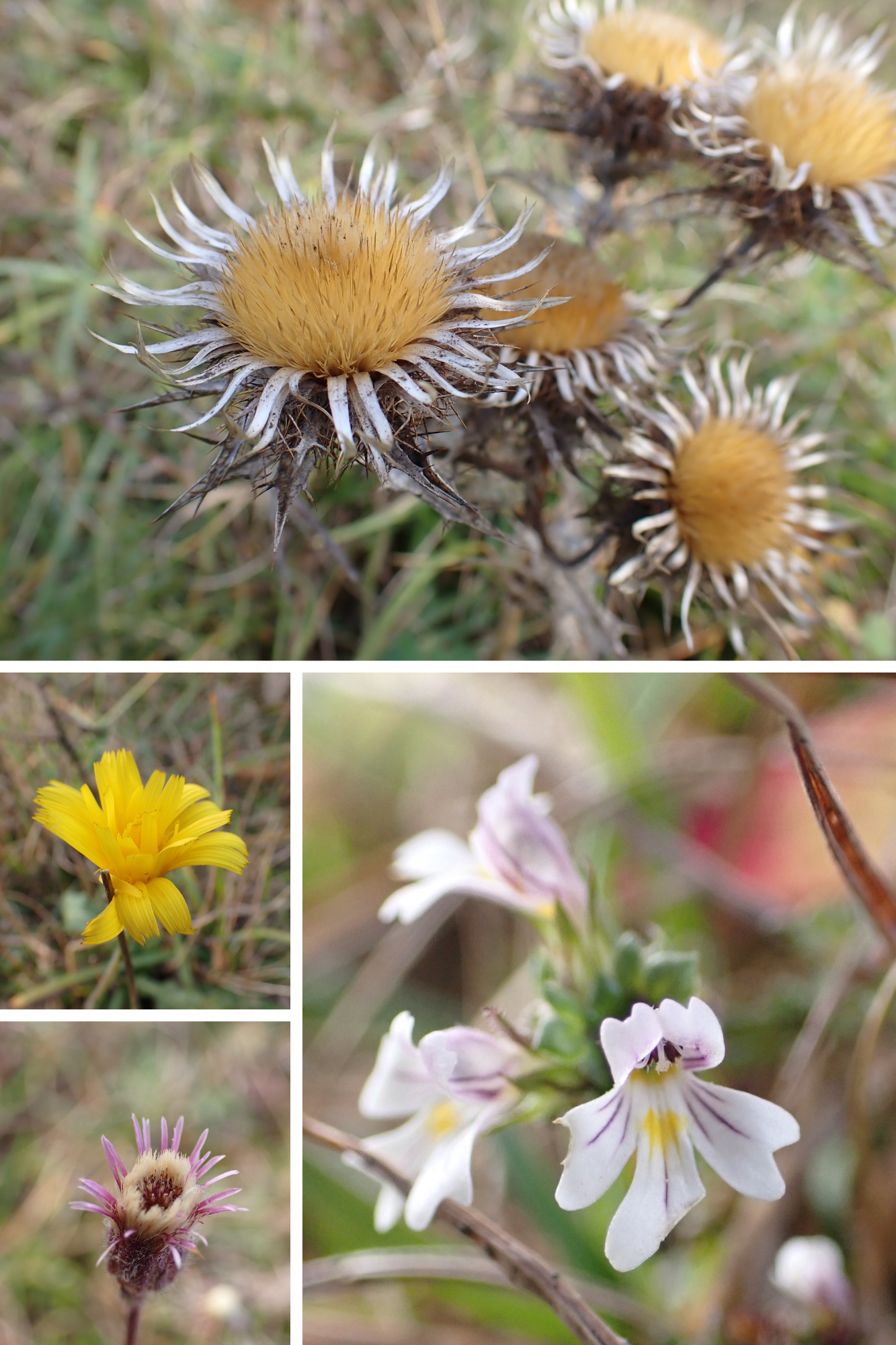
It’s a shame we don’t get the students here earlier in the year to see the plant diversity at its best, but the last few Eyebrights, Blue Fleabane, Yellow-wort, Harebells, Knapweed and Scabious, amongst others, were still in flower to give them some idea of what the reserve is like in summer.
At this time of year, though, the fungi are starting to get interesting – I found the first tiny Scarlet elf cups and Yellow-brain fungus I’ve seen this year in the woods, as well as plenty of Waxcaps in the grassland.

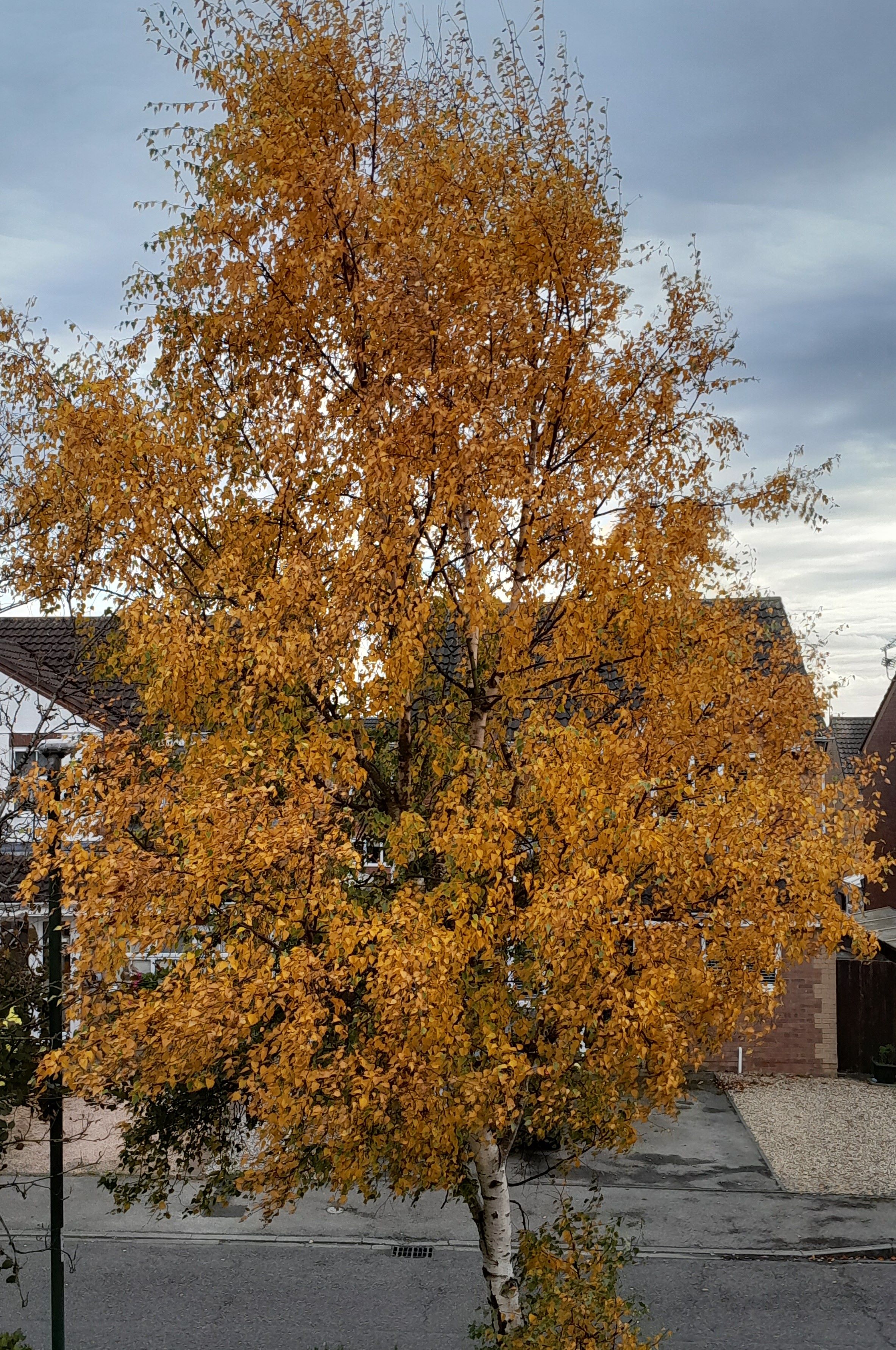
A combination of reaching the autumn equinox and storm Ashley removing leaves from trees has changed the light now, but our garden Silver Birch has hung onto its leaves so far and still looks glorious, as do many of the maples and cherry trees around the science site and on the riverbanks.
The week also offered yet another opportunity for fieldwork as Martyn needed help finishing off his regular work in the Lakes, after it was curtailed by him catching Covid. It was certainly no hardship for me, with time to enjoy the beautiful autumn colours around Loweswater and in Borrowdale after we’d finished. With some leaves gone from the trees, mosses and lichens are enjoying their time in the sun and a surprising number of male Red Campion plants are still in flower. Female plants have long since set seed but a late flush of male flowers are still hoping to sow their wild oats, for want of a better metaphor!

In the allotment I made the most of the sunshine to pick the very last few raspberries of the year and a good portion of Swiss Chard and had time to spread a barrowful of compost on some self-propagated leeks and onions.
This week I’ve read ‘Uprooting’ by Marchelle Farrell; a fascinating look at the power of gardens and gardening in rooting us by a doctor-turned-writer, originally from Trinidad. Farrell writes viscerally about her own experience of moving with her young family from Oxford to rural Somerset, just before the Covid pandemic struck, and how the garden she found herself nurturing in turn nurtured her. For a Caribbean woman living in Britain, racism and the impact of colonisation still has its tentacles everywhere but this is a place of healing. One of the most poignant things for me was the moment when Farrell realised, on a visit back to Trinidad, that much of what we think of as the flora of a Caribbean island paradise – including Poinsettia and Hibiscus, was brought there by European estate owners.
This week’s culinary highlight was undoubtedly our meal at the Michelin-starred The Cottage in the Wood, just off the Whinlatter pass. Yet another belated birthday treat for me! My vegetarian main course, described as cauliflower with pickled walnut on quinoa was sublime – I don’t know how they’d cooked the roast mushrooms which accompanied this, though I’d really like to! Breakfast the following morning included the best mushroom omelette I’ve ever tasted, accompanied by lovely views towards Skiddaw.

 heatherkellyblog - travel with me and wonder at what you see!
I decorated a mirror frame with some of those snail shells once … collected on the dunes at Treyarnon