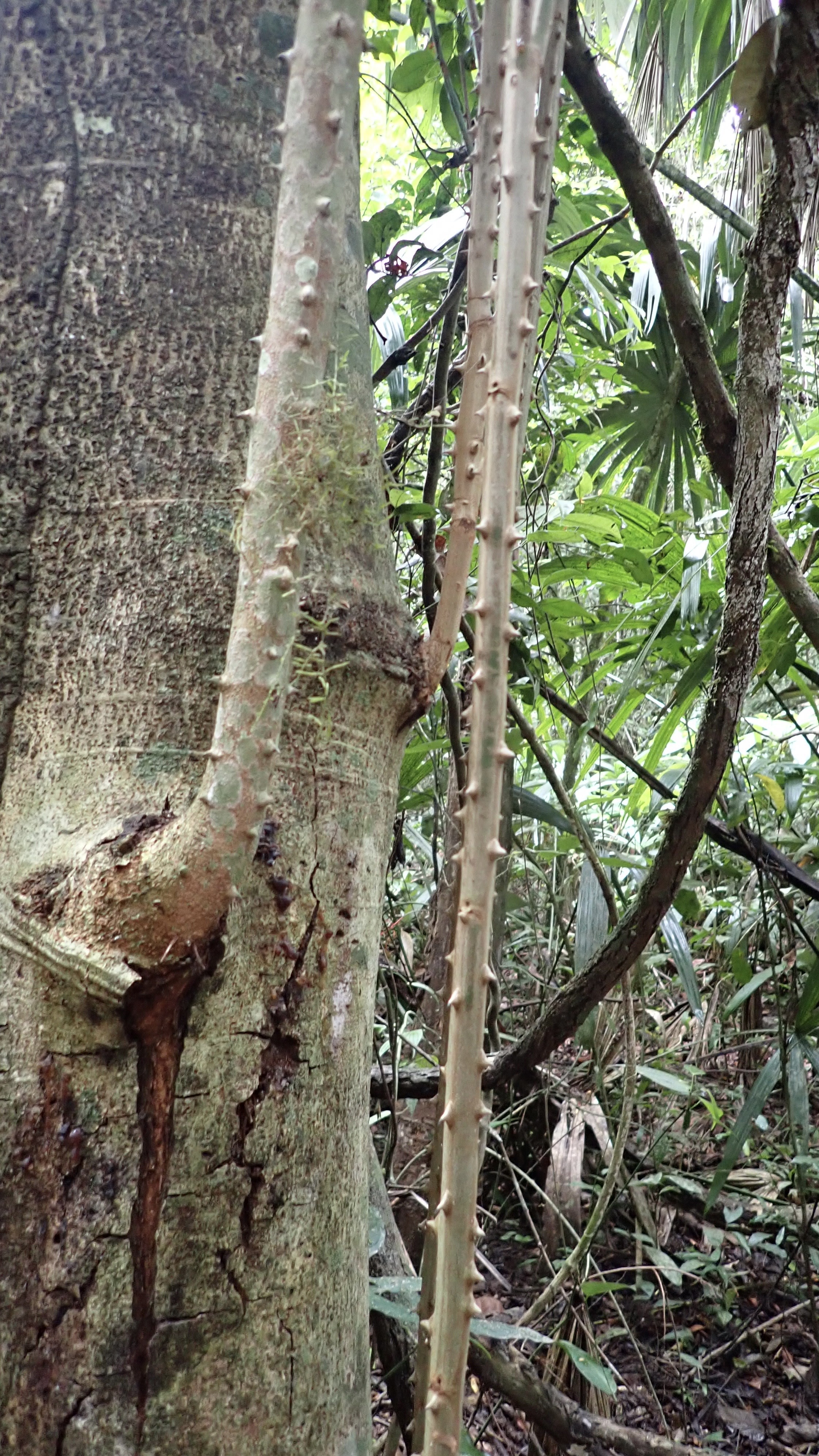
Dan and Cam led the morning walk to the Bird Tower on Monday and, though I still woke early, it was nice to have a slower start to the day. After breakfast, Jonathan led the group of students I was with on a meditative walk though the forest with some pauses for them to reflect on what was around them and think about suitable, testable questions, for their projects, which started on Wednesday. I found a couple of new plant species to show the students, as part of my musings. Harvardia albicans is a member of the pea and bean family which I’d not noticed before. It’s distinctive because it seems to have a large trunk with a relatively smooth bark and very prickly offshoots springing up from the base. It turns out that, as the trunk grows, the prickles stretch laterally and almost disappear – I suppose they are less necessary for a thick trunk.
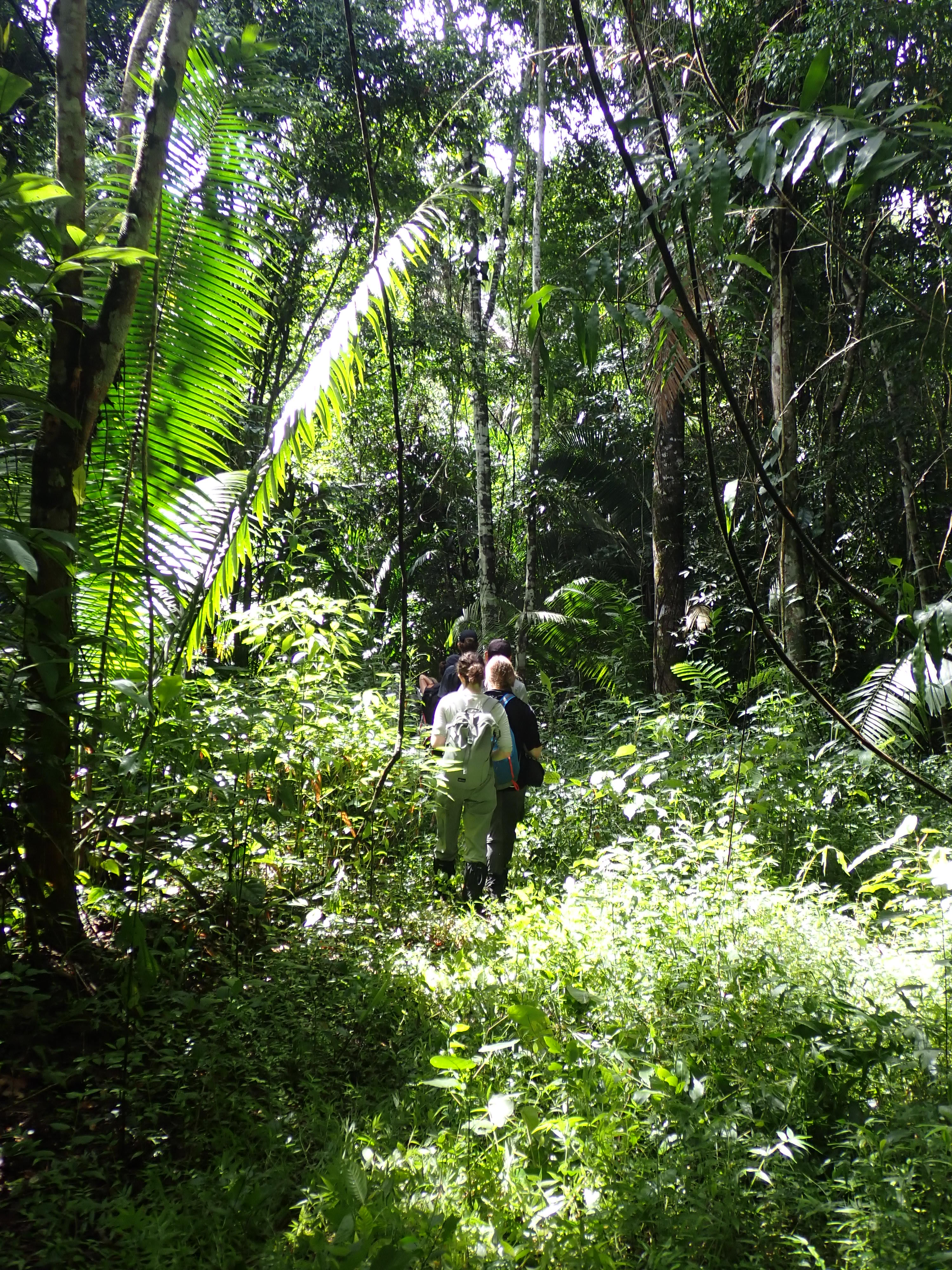
After lunch, the students sampled a range of factors along a transect from the road up both ends of the Bird Tower trail to look at the effects of disturbance on plant growth form and insect diversity. They were using lots of different pieces of kit, partly to help them see what techniques they could use for their projects in the final days of the field course. It was all a bit chaotic, not least because I thought I’d gone the wrong way when moving between the two sites swopping over the kit for the students. The radios which are supposed to let us communicate between groups only seem to work over quite a short range. The exercise did the job, though, of getting the students to start thinking more specifically about their projects. Maybe the most important lesson was how crucial it is to discuss all the methodological details before you start work!
I had an early shower, followed by the first cold beer of the trip, as we’re at the end of the main block of teaching – it tasted really good! Tuesday was a day off of sorts, with an optional walk to the Monkey Tail river, about eight km away. The wonderful cooks had been up since 3am making fresh tortillas for burritos for our lunch – I hope they got a good rest once we left. It took us nearly four hours on the way as we had a long wait about two-thirds of the way there while Jane and Alvin scoped out the route. One or two trees had fallen across the path recently so some scrambling was involved. We all enjoyed being more off the beaten track – in places the path is narrow and Alvin was having to cut a way through for us with his machete. The trail has obviously been wider in the past, with very different, shorter vegetation either side of the narrow path and interesting smells filled the air as we crushed herbs underfoot. There were new palms to see in the forest too – including statuesque Royal palms, which reach right up into and above the canopy. When you get to the top of the hill which leads down to the river, the path looks like an old Mayan causeway and there is certainly a temple on the route, though it’s very overgrown. Mayan remains are everywhere in this part of the world.
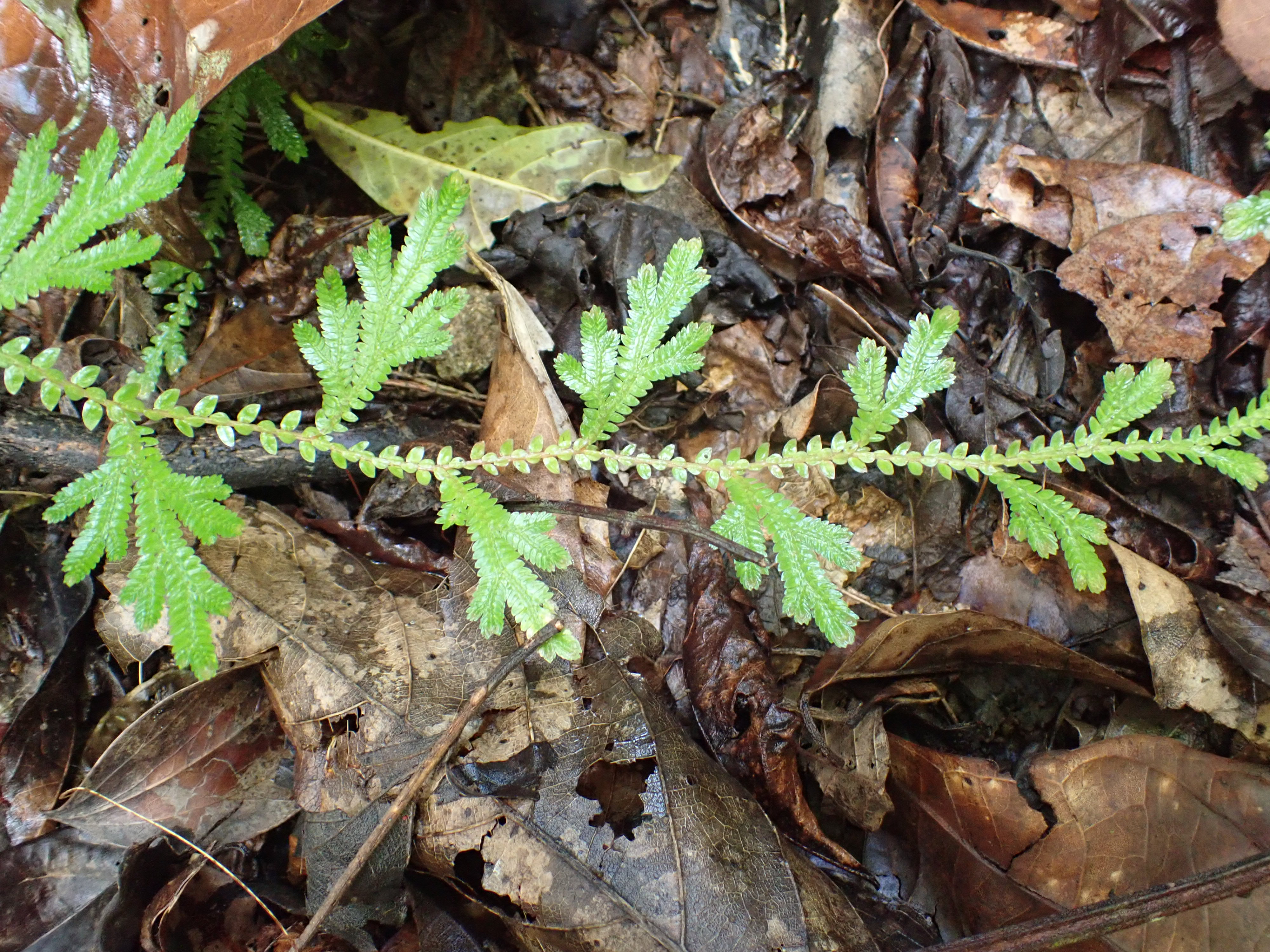
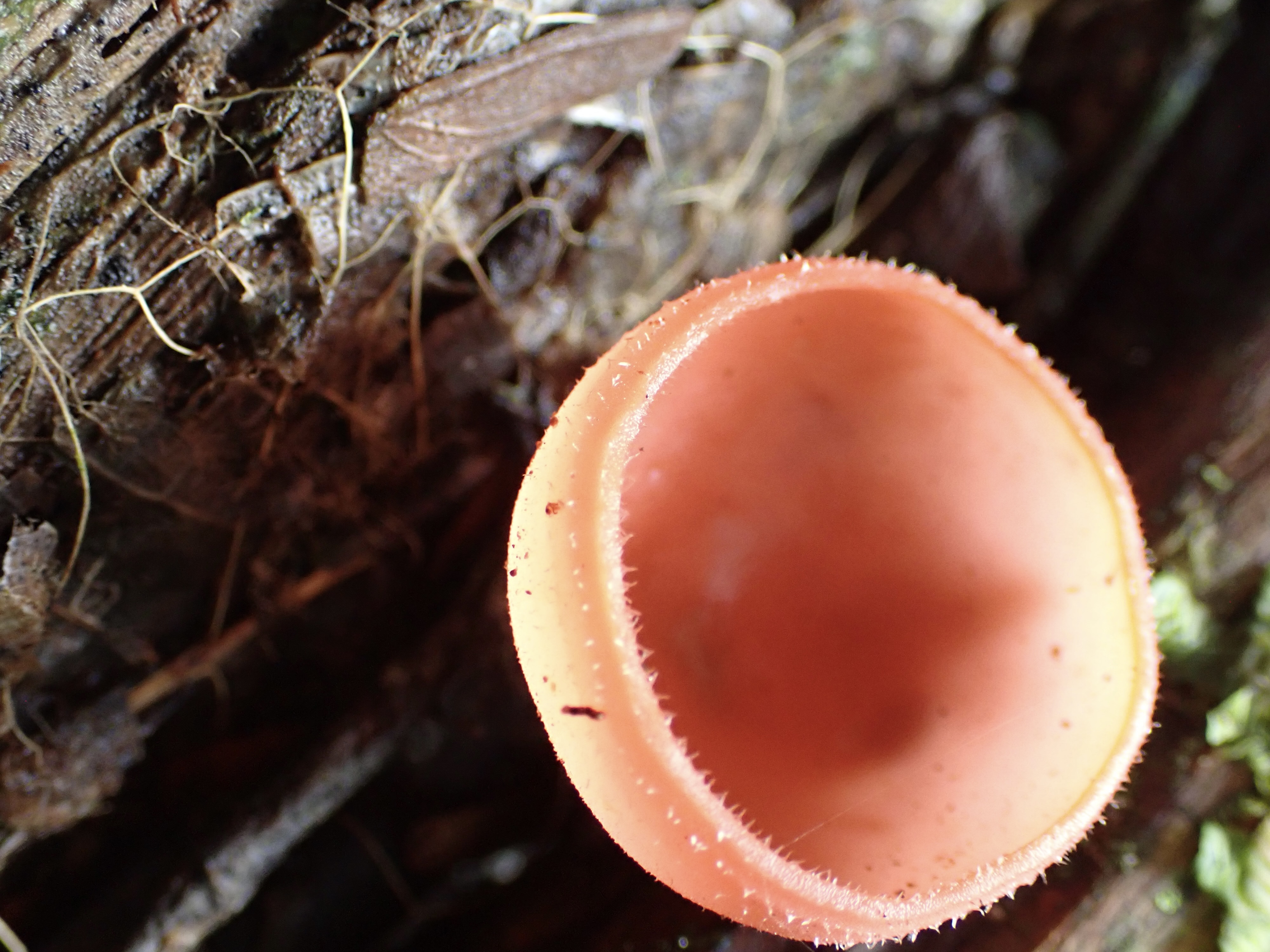
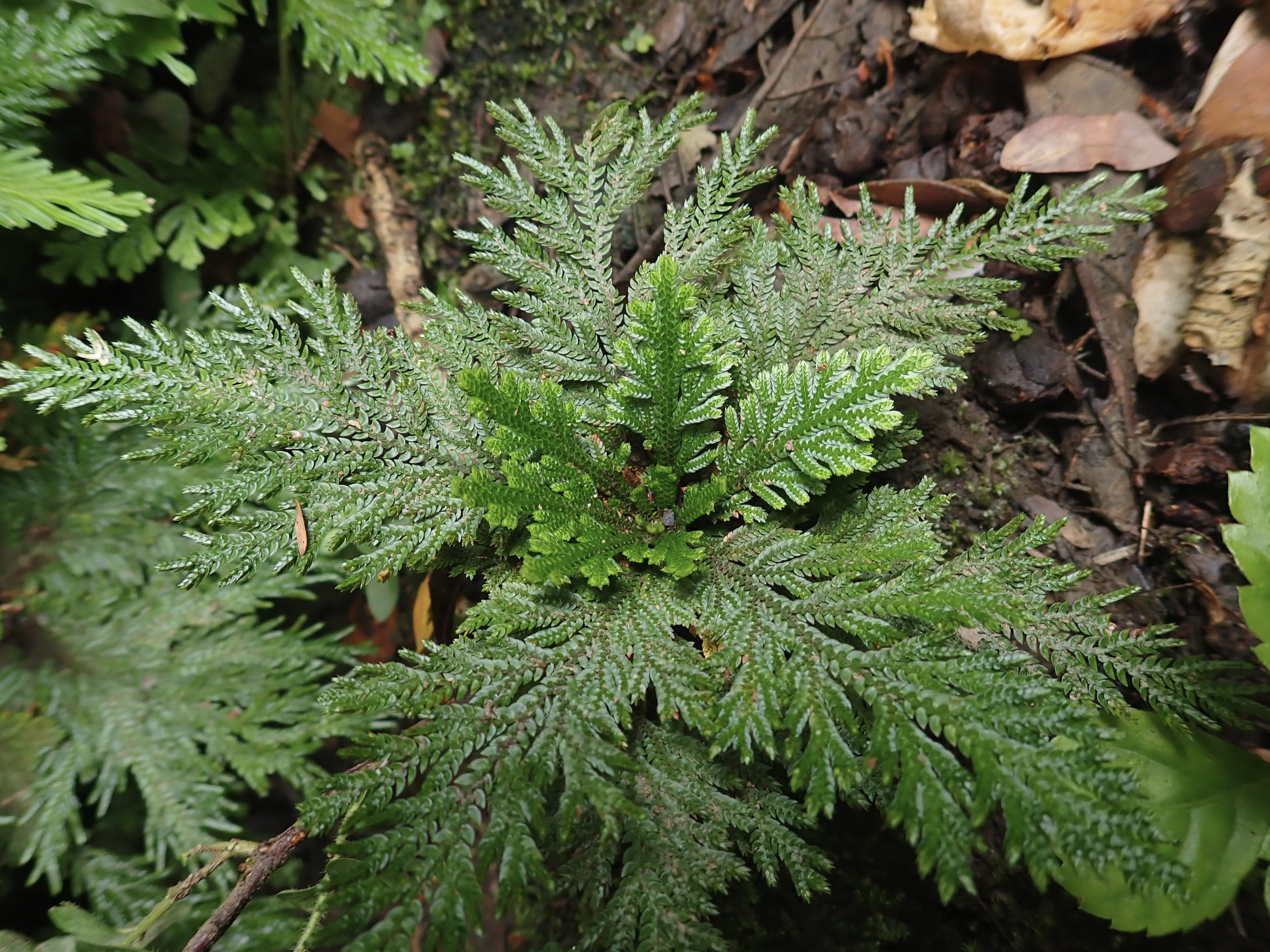
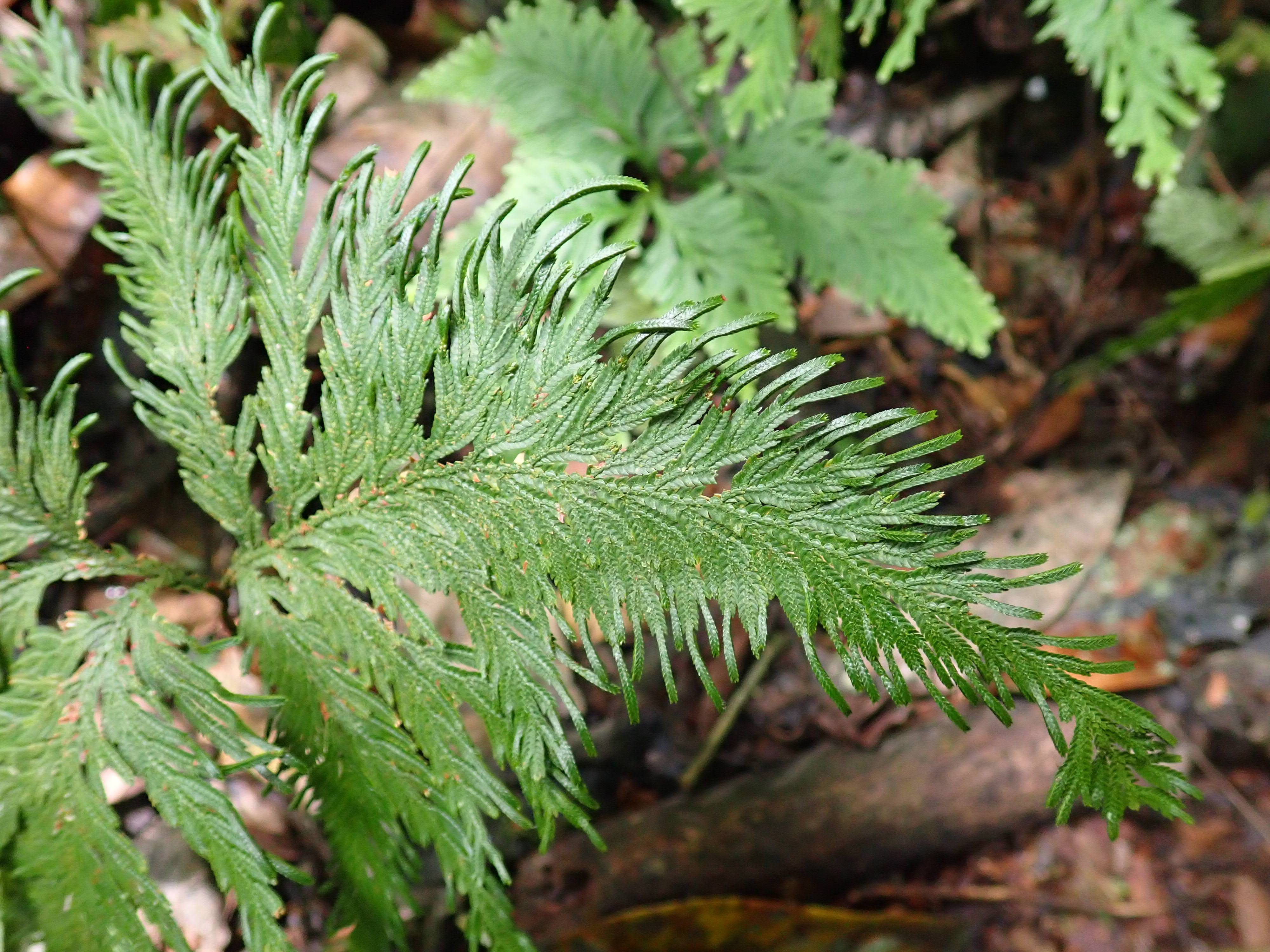
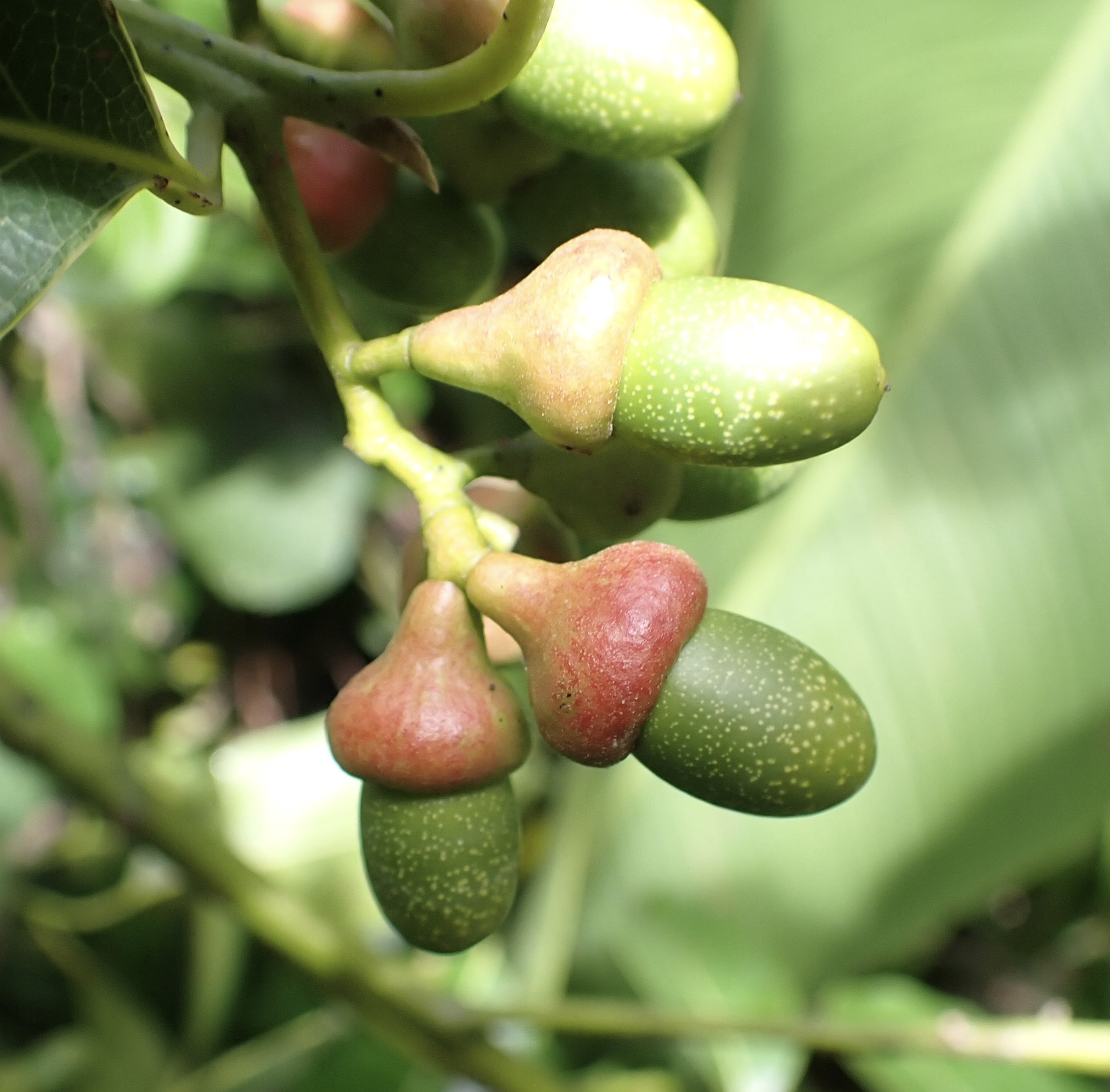
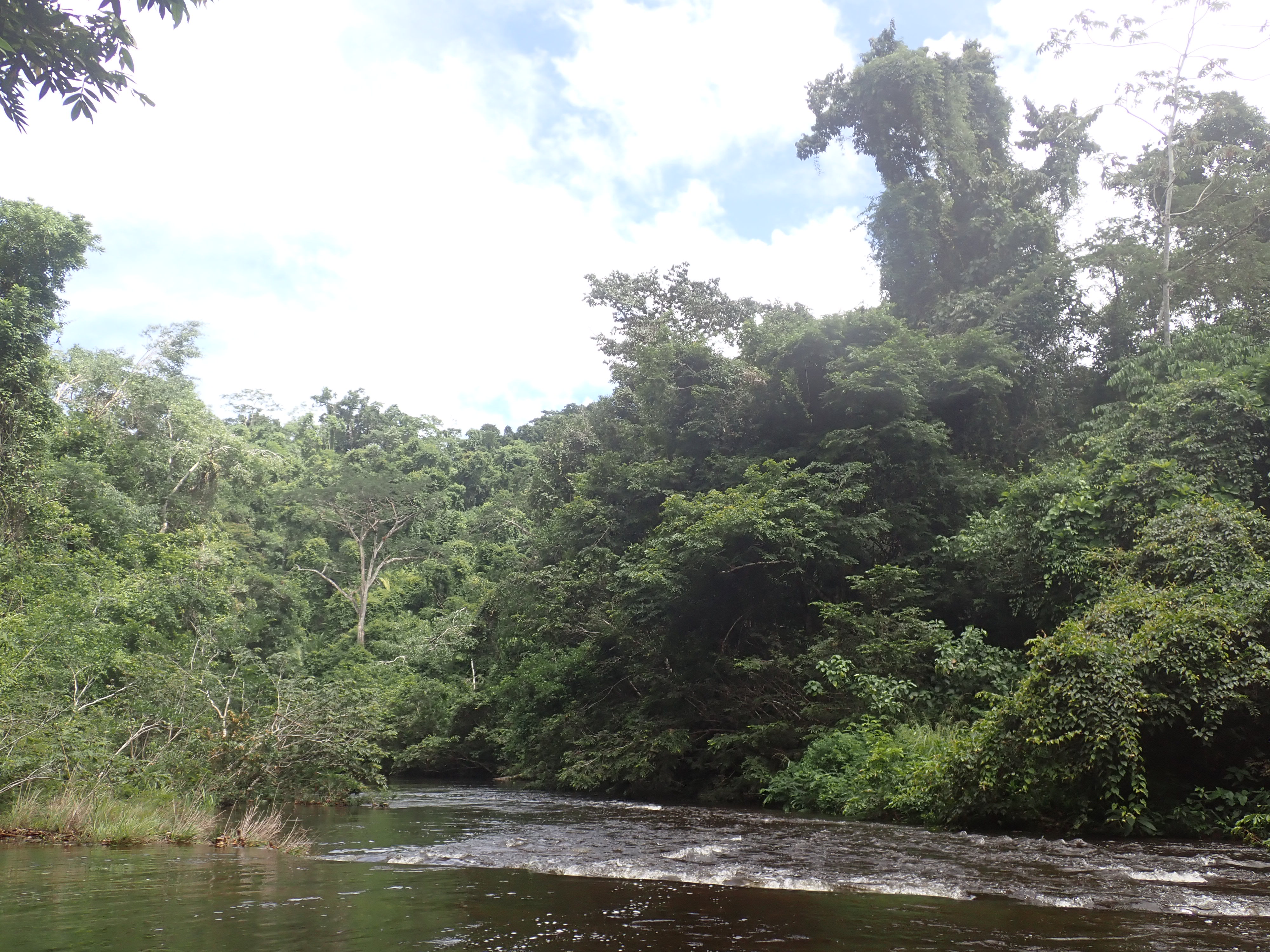
The river had risen a lot after the rain of the previous few days, and the current was very fast, so swimming wasn’t a real option – we were able to lounge around in the shallow water though, which was very refreshing. There were also more new fungi and plants on the riverbanks, including ferns and different club mosses. One shrub, with small purple flowers, looks very like something grown as an ornamental plant on river banks in China! I was surprised to find an oak, with brilliant red cups for its acorns, though perhaps I shouldn’t have been given the number of oaks in North America and the fact that there is an Acorn woodpecker here!
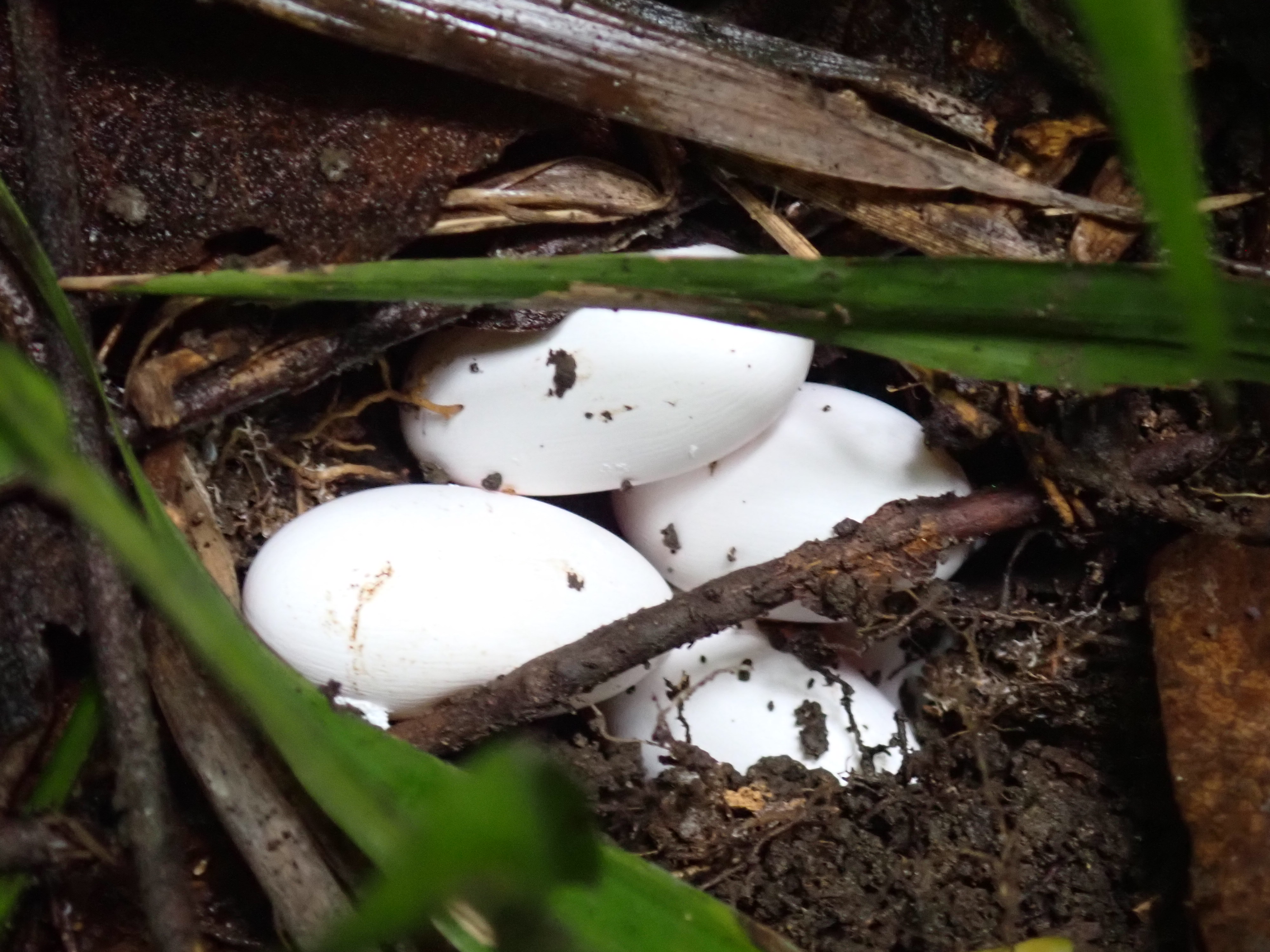
The walk back was hard work, with the first third of the way a long, slow pull up the side of the river valley. My idea that, having been in the water, I might not need to shower quickly proved ludicrous and most of us were pretty much out of drinking water by the time we got back. We did see a nest of what Jane thought were iguana eggs, though.
Part of the rationale for the walk was to give the students a prolonged opportunity to talk amongst themselves and with us about their plans for their own mini projects, which started on Wednesday. Our game of Scrabble in the evening was broken up constantly by students with more questions and lists of equipment they need but I think most were pretty much sorted by the end of the evening.
 heatherkellyblog - travel with me and wonder at what you see!