Our last full day in Belize felt like an end of term treat. We left Las Cuevas for the first time in a fortnight and headed out of the forest park and further along the Mountain Pine Ridge road to the ancient Mayan city of Caracol, in the same bus which was to take us to the airport the following day. On the way, we picked up our guide Jorge (aka Lion, for some reason unknown to me).
He gave us a fascinating introduction to Mayan history and culture, explaining that at Caracol, a city built during the late classical period between 700 and 900 AD, there are an unusually large number of big buildings and complexes because the ruling elite made less of a point of keeping clear blue water between their lifestyles and those of the middle classes than was normal at the time. It makes Caracol, which was home to some 120 000 people in its heyday, Mecca for archaeologists, To put that in context, this is something like twice the current population of Belize city, the largest metropolitan area in the country. The site also includes an astronomical observatory, ballcourts and many small plazas, which would have been home to upper-middle class families at the time.
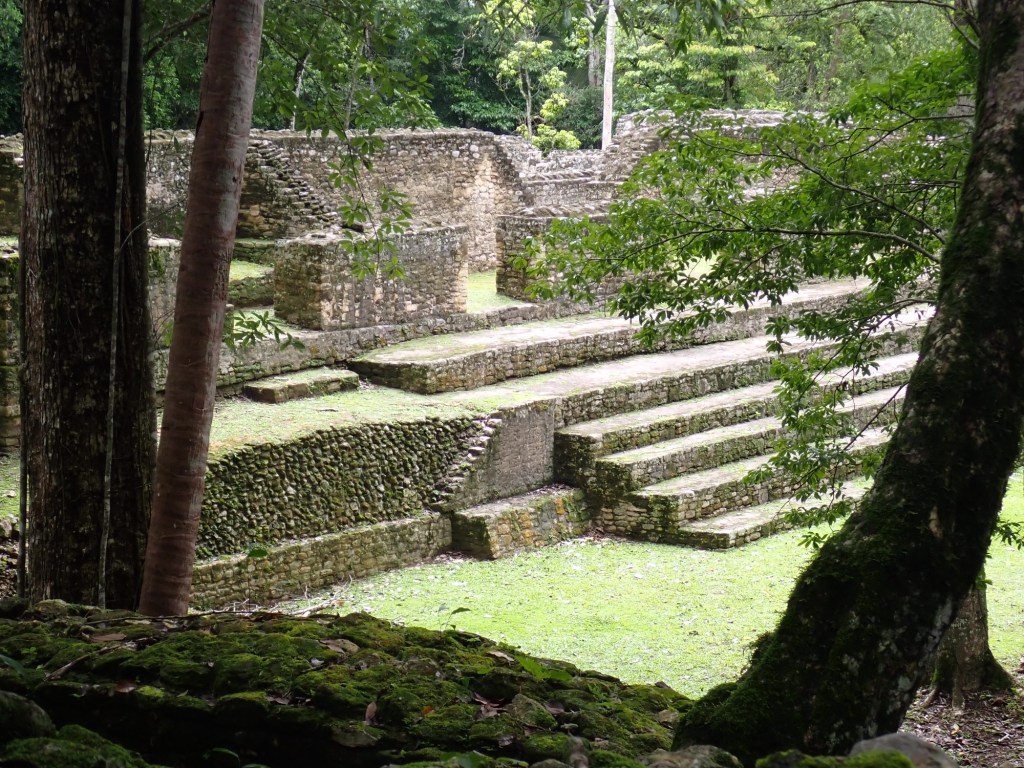
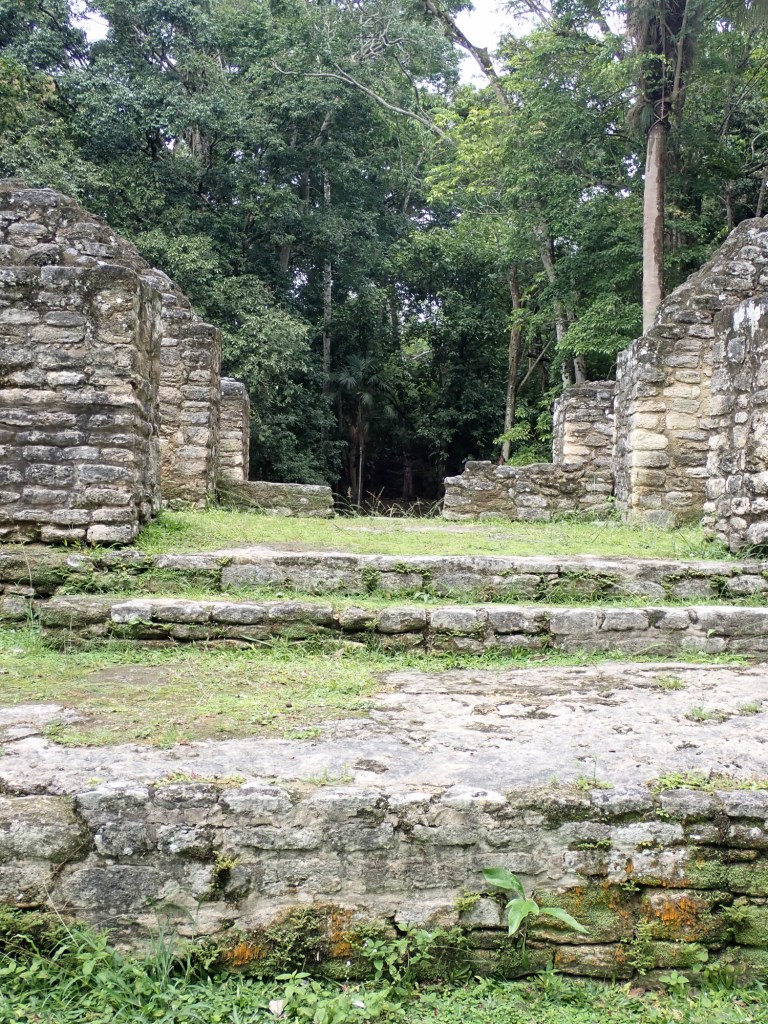

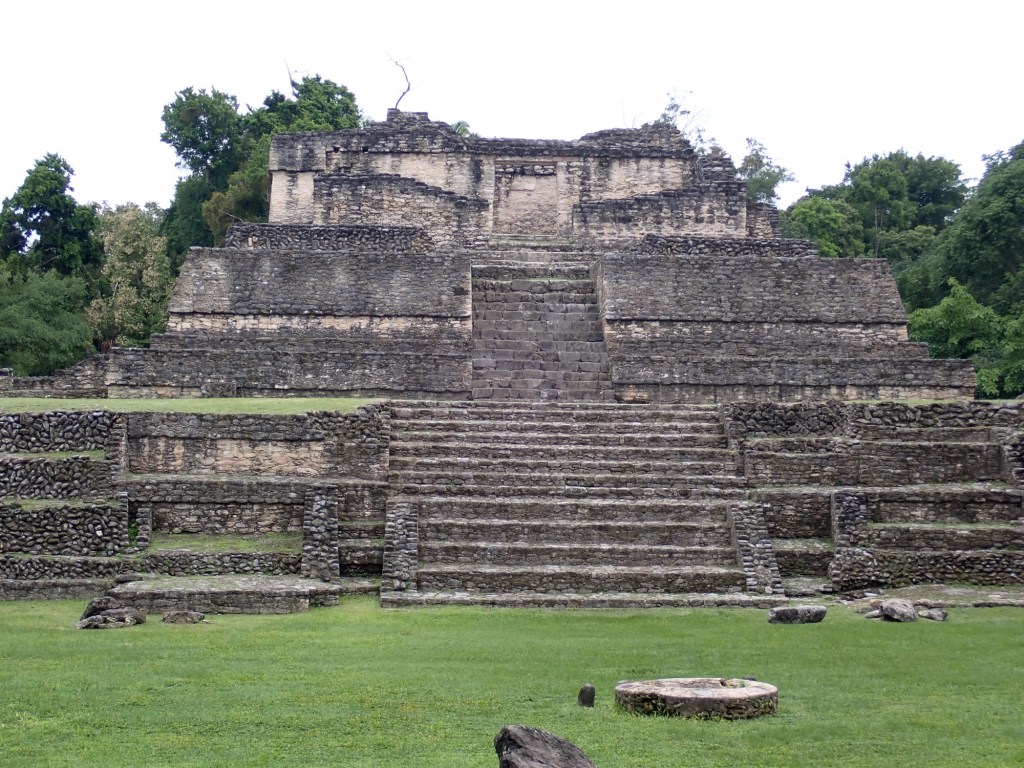
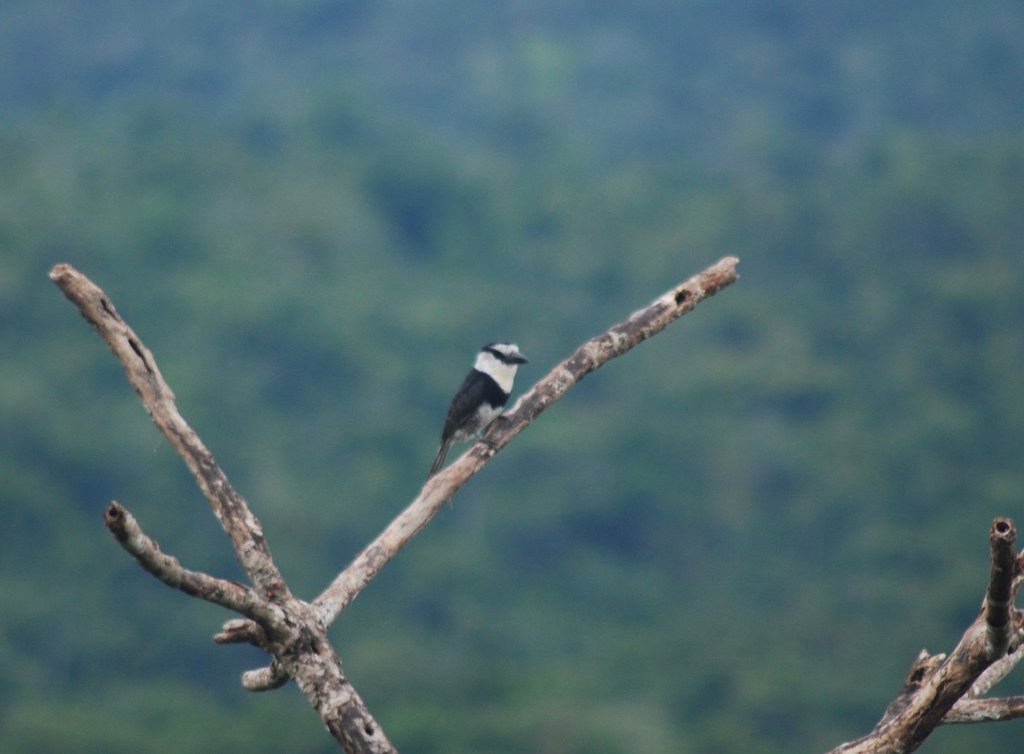
The highlight of the site is undoubtedly Caana, or the Sky palace – a 136 foot high pyramid, still the tallest man-made structure in Belize, which may have been the royal family’s residence as well as having a role in ritual ceremonies. The view from the top over the Chiquibul forest all the way to the Guatemalan border was amazing, though some of my colleagues seemed more excited by the White-necked puffbird perched on a dead tree nearby!

As we walked back to the entrance for our picnic lunch we were lucky enough to get a great view of a large group of Howler monkeys, complete with a couple of infants, foraging above the path. The canopy here is much less dense than around Las Cuevas but the monkeys are obviously habituated to humans, despite us only seeing a couple of other visitors whilst we were there. The lack of tourists seems astonishing, for a site of such importance.


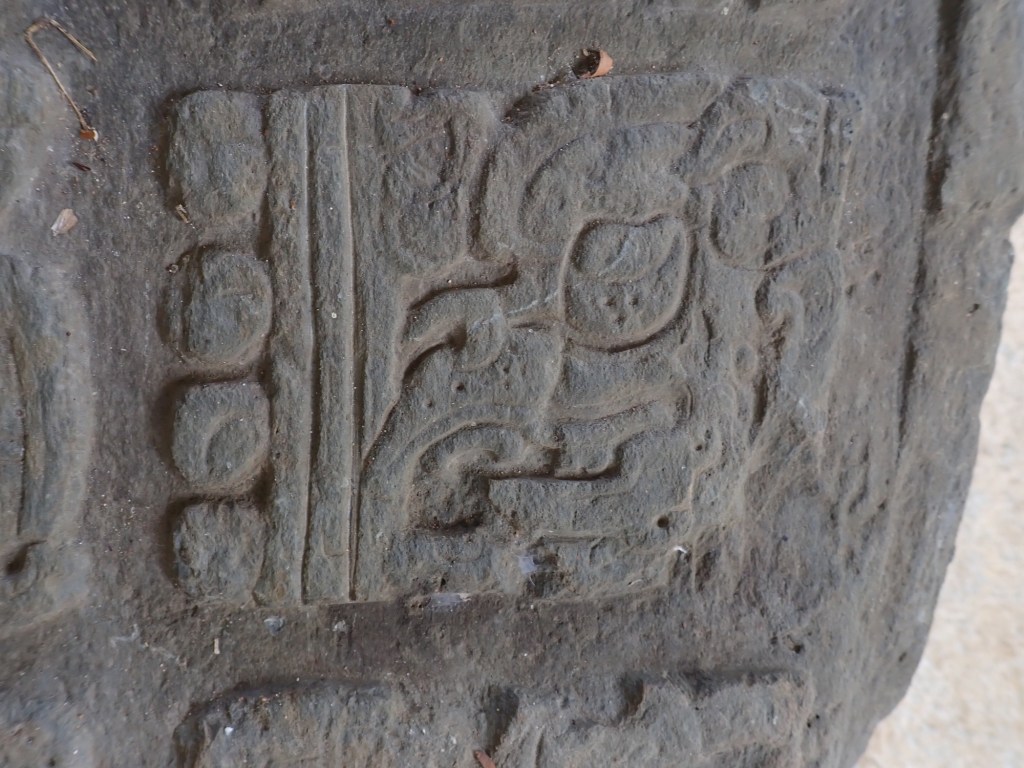
After lunch we spent a little time in the small museum, looking at some of the stelae and masks from the city, which have been moved from buildings and placed under cover to protect them from the elements. Whilst most of the city is built from the local limestone, some of the most delicately carved pieces are made of slate, which must have been brought from some distance away. The same is true for the fragments of obsidian and the jade ornaments discovered in tombs on the site, which were most likely brought from Mexico, as part of trading relationships with other Maya cities. Not all such relationships were peaceful though; many of the stelae tell the story of battles with, and conquests of, the rulers of neighbouring cities such as Tikal, less than 50 miles away in Guatemala.


I felt we’d barely scratched the surface of this fascinating and complex culture, the scale of which is quite beyond our comprehension today but it was good to get at least a sense of what this part of the world was like, long before the arrival of the first Europeans.
We left Las Cuevas on September 20th and I left a little bit of my heart behind. It’s an astonishing place, like nowhere I’ve ever been, and the students felt the same. Their written feedback on the trip underscores this, one saying, “The most inspiring experience of my life. It has given me so much clarity on what I want to do with my future”.
I had a fantastic time with the other field course in Switzerland earlier in the summer and would maybe, until now, have been slightly cynical about the need to go to the other side of the world to study ecology (not that it stopped me being keen to go!) Of course you don’t need to travel so far, but I now have much more understanding of the extra benefits of being immersed in such a novel and remote environment, amongst people fighting day by day to preserve the amazing biodiversity of tropical rainforests. Working with a badass female primatologist like Jane was a real eye-opener for our students, and at least two hope to return for longer internships.
Many of the students thrived on having their smartphone use curtailed by the limited internet access. They spoke of not really knowing many of their peers until the start of the field course but now going into their final year with confidence in a solid cohort of friends, with whom they’ve experienced something very special. The number of people determined to make the most of every minute by turning up for ‘extracurricular’ night hikes and dawn walks to the Bird Tower is the real signifier, when you know how many of them struggle to get out of bed for a 9am lecture in Durham. More grist to your elbow, Jonathan, and long may this fieldcourse thrive!
 heatherkellyblog - travel with me and wonder at what you see!