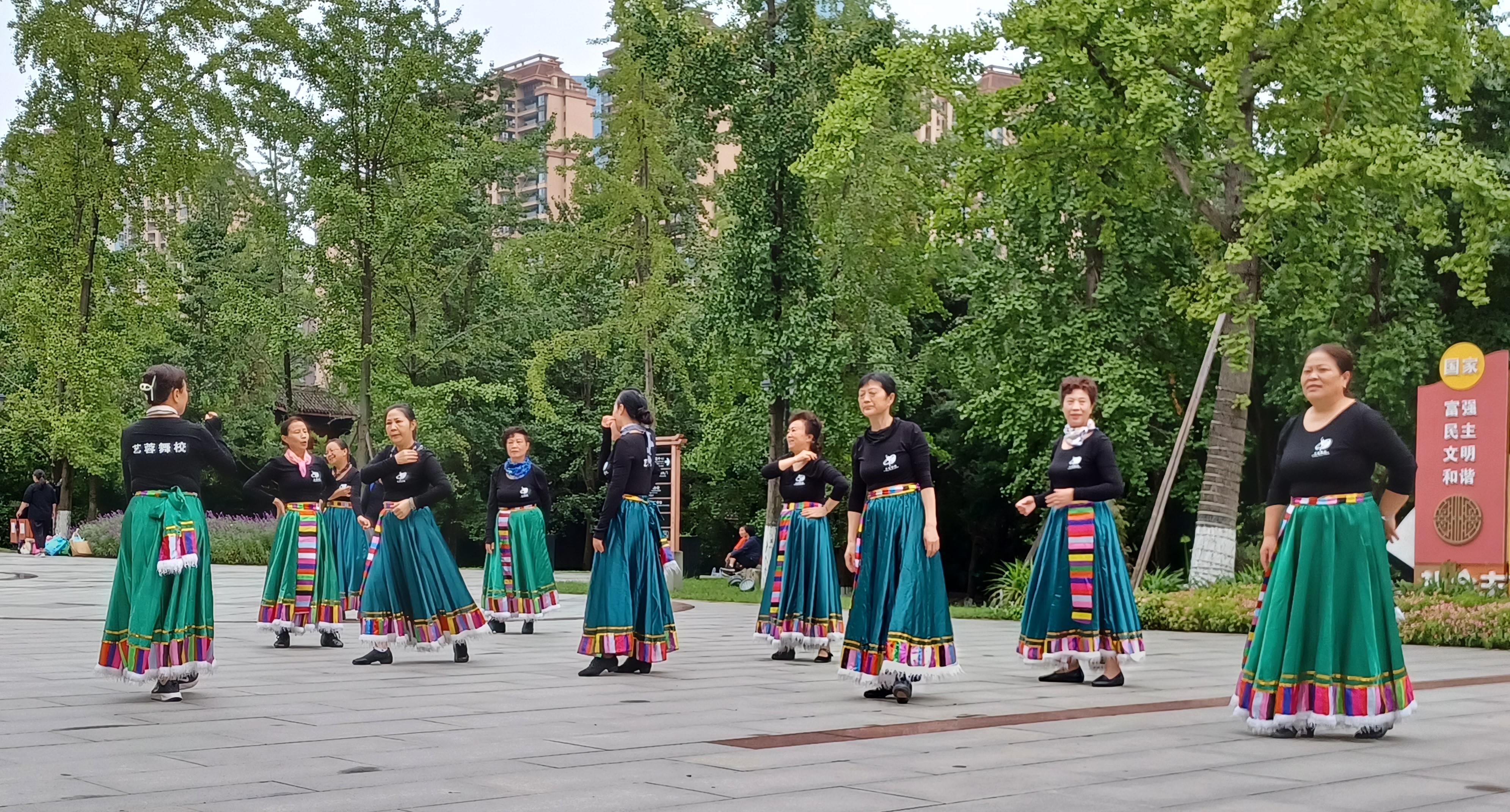
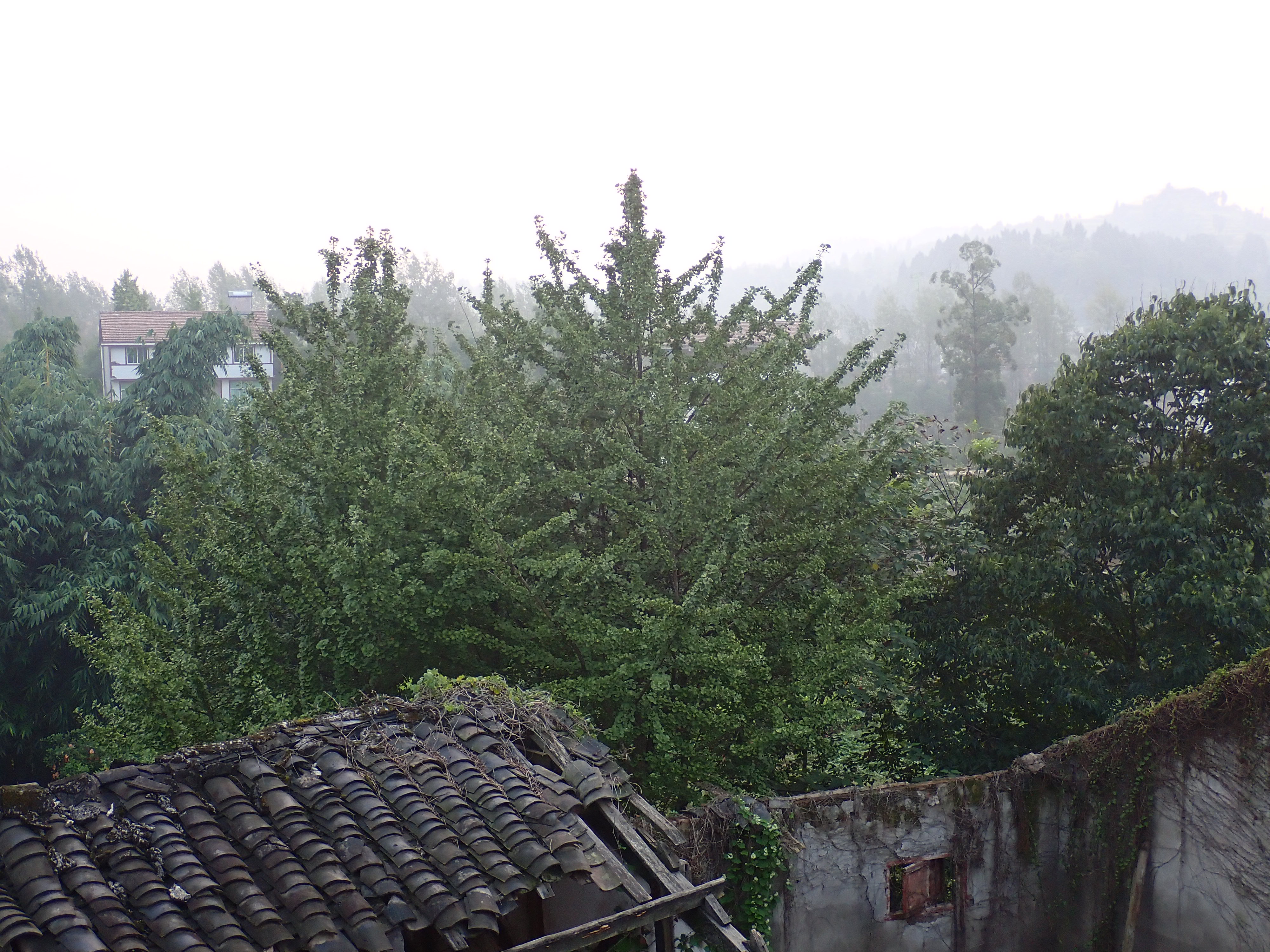
Ginkgo trees are everywhere in Chengdu, as in much of China, in the countryside, as street trees and in parks, as well as in the sacred spaces of temples. Some of the street trees seem to be planted out as mature specimens in new developments, though not all look to be thriving, with high levels of atmospheric pollution in urban areas. There must be huge nurseries of Ginkgo trees somewhere in China and they must grow much faster in subtropical climes than the specimen in my garden, which has probably put on 10cm of growth over five years!

Unlike in the UK, many of the trees are females, so one of the rather dubious pleasures of Chengdu in early autumn is the appalling smell if you are unlucky enough to stand on a fallen Ginkgo ‘fruit’ before someone has swept it up, along with the first of the fallen leaves. Apparently the name Ginkgo comes from the Chinese 銀杏 (yínxìng), which means ‘silver apricot’ which, when translated into Japanese, becomes ginnan, also pronounced ginkyō and you can see why, looking at the ‘fruits’.
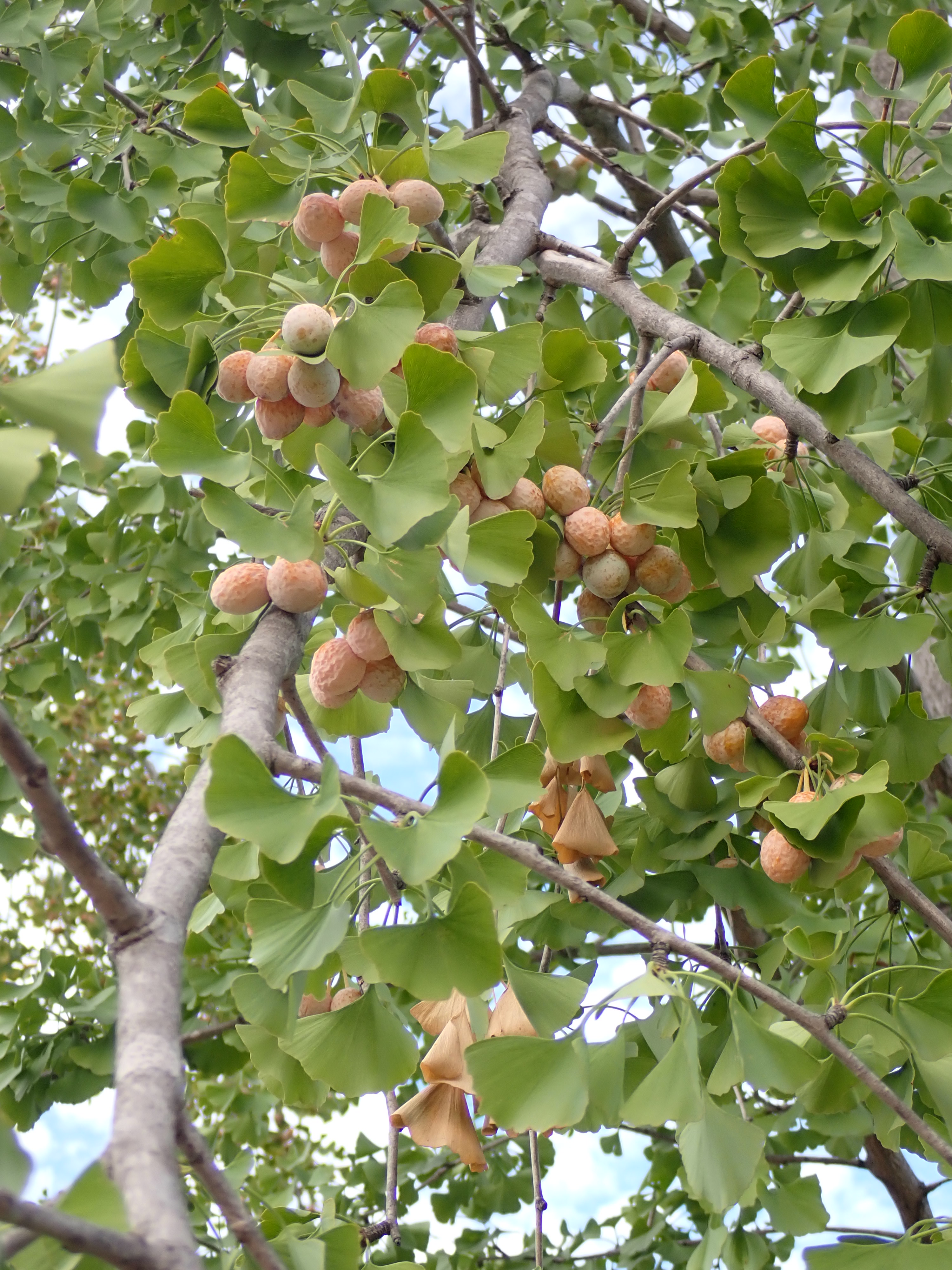
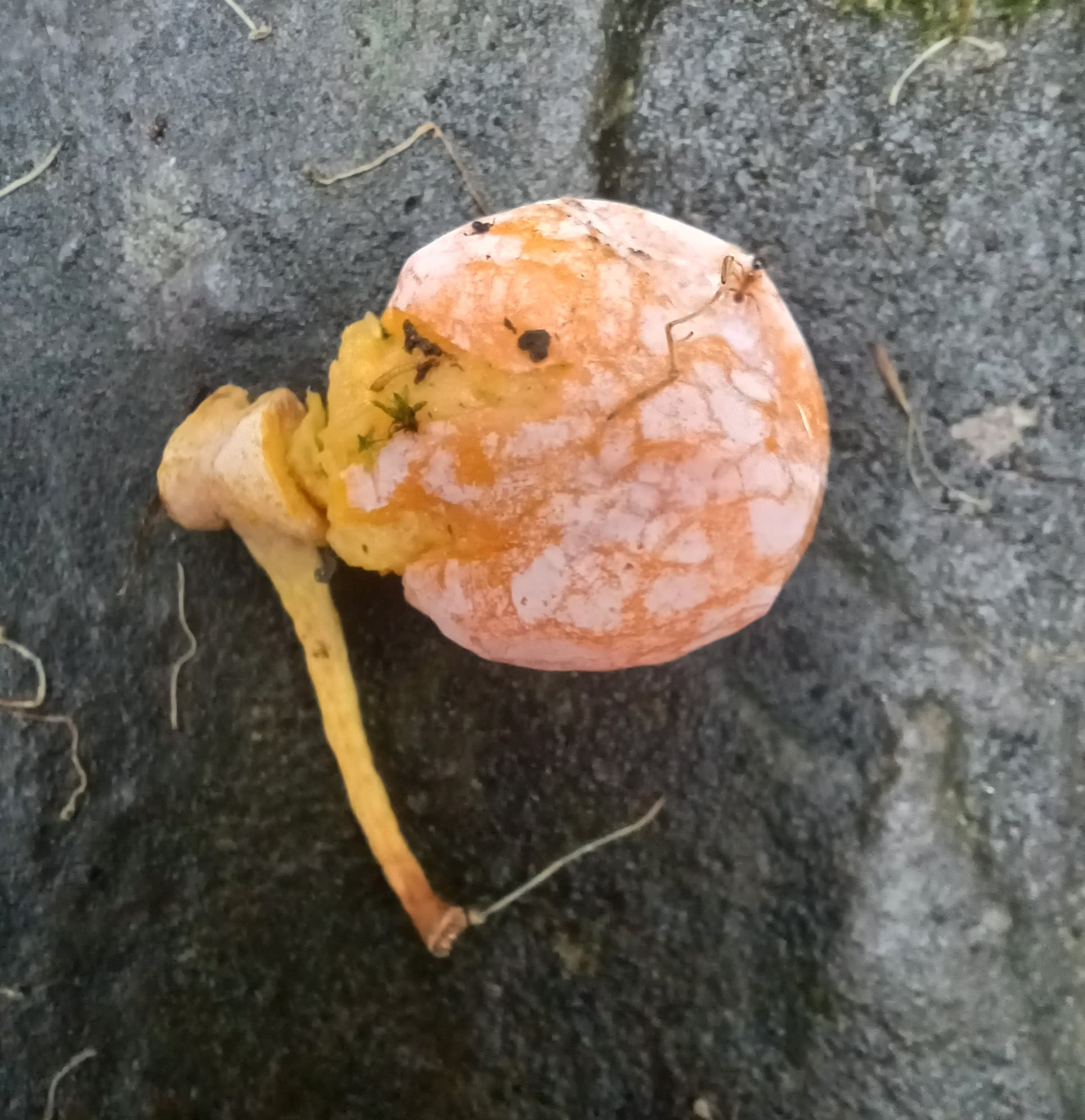
However Ginkgos are Gymnosperms, like conifers, rather than being flowering plants so these are not actually fruits, but seeds in two parts – a hard, nut-like sclerotesta, surrounded by a fleshy sarcotesta rather like that of a pomegranate seed. It is the fleshy sarcotesta which smells of butyric acid (aka vomit). Casper is a great fan of picking up anything from the ground which might possibly be edible, so has to be watched like a hawk around fallen fruits, particularly anything which looks like a blueberry or a pea, but even he was taken aback by the smell which squashed Ginkgo seeds left on his fingers!
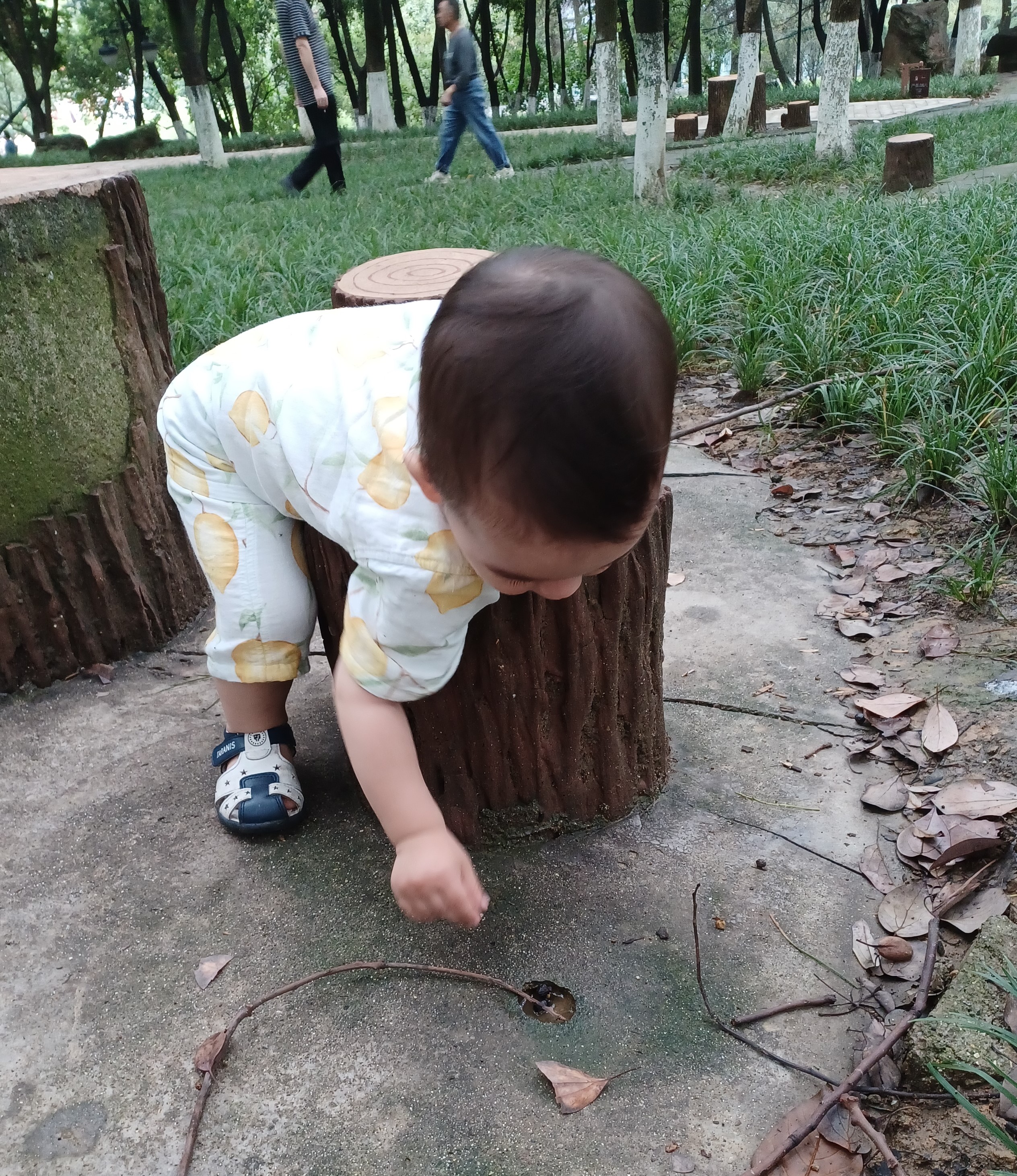
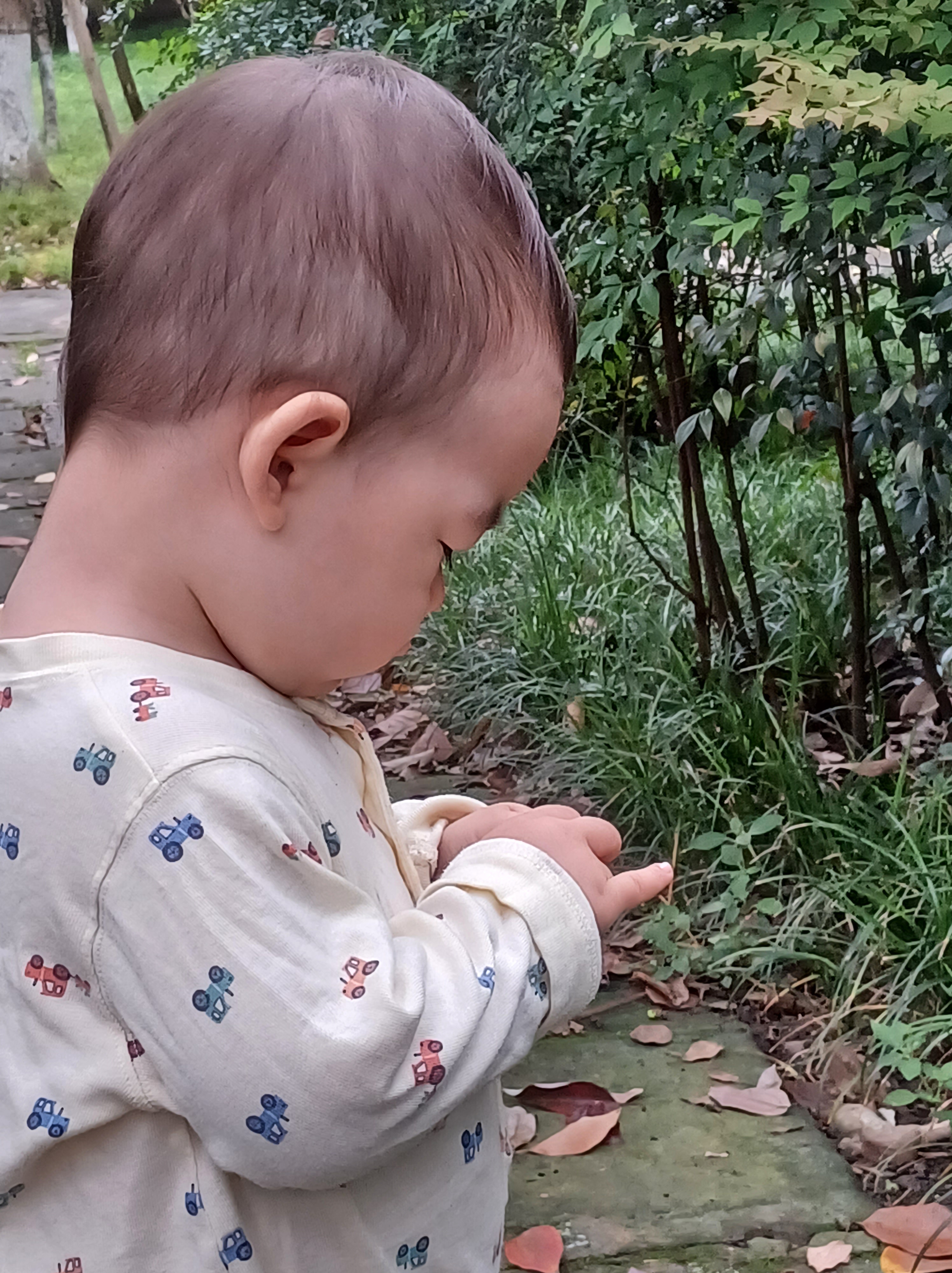
I’d been told that Ginkgo ‘fruits’ are a delicacy in China, as well as in other parts of Asia, which seemed a bit surprising given the smell. My lovely daughter-in-law, Kate, soon put me right about this, explaining that it is the nutty kernels which are eaten. Not only that, but she also insisted on making me Ginkgo soup to try!
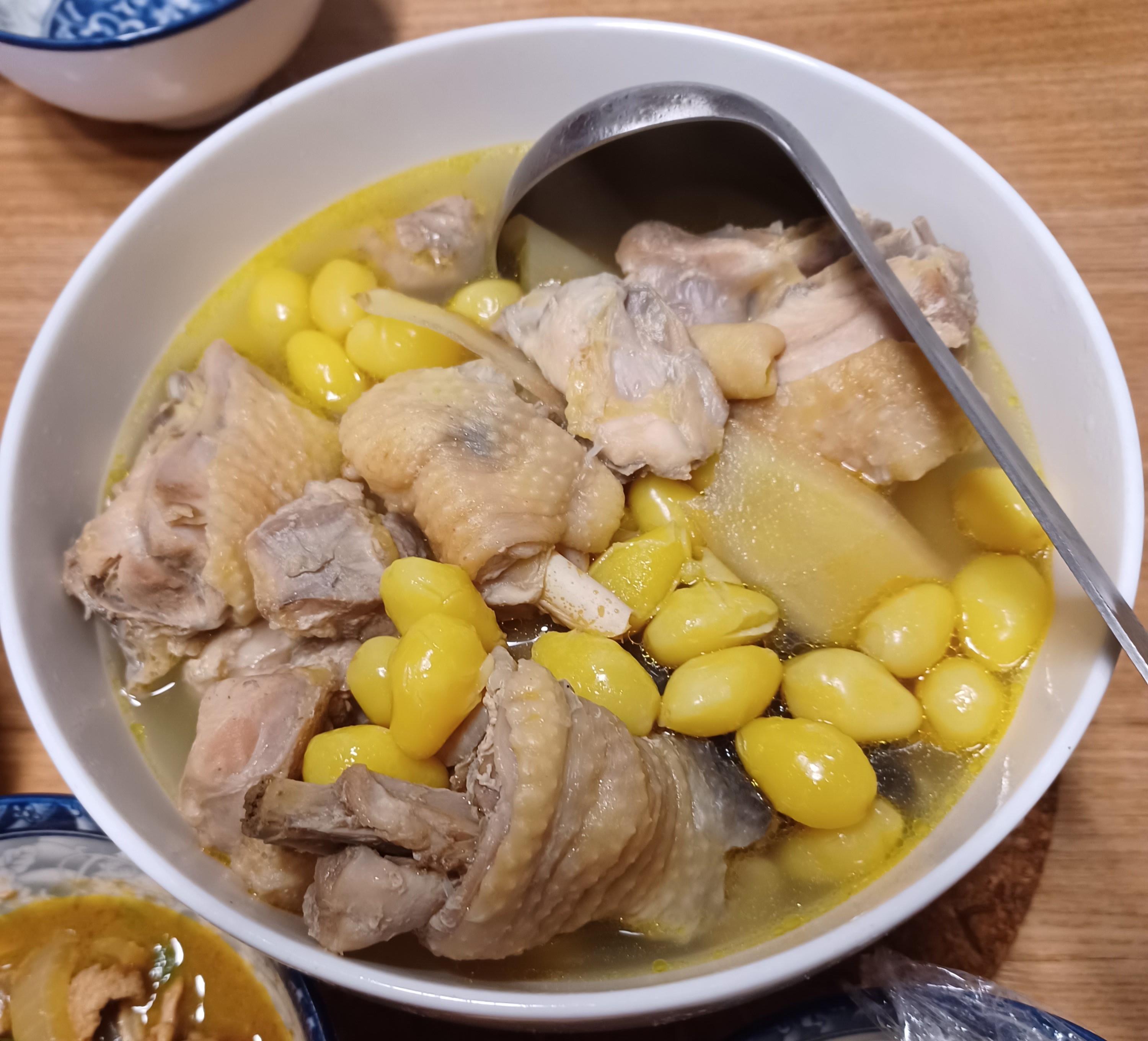
The soup was very tasty, though the seeds have a slight bitterness to them. It turns out this might be the usual sort of warning about toxicity – the seeds contain Ginkgotoxin, a neurotoxic derivative of vitamin B6, which seems to interfere with synthesis of this vitamin and can cause epileptic seizures if consumed in quantity. I don’t think I’ll be eating enough to cause any damage!
 heatherkellyblog - travel with me and wonder at what you see!
Interesting but I do not expect to be at a tasting !.
[…] and the sound of parakeets in the trees around Ed and Kate’s apartment block. A walk to nearby Tazishan Park, where I spent lots of time with Casper in September, seemed like enough travelling for the day; […]