We’ve had a lovely family week, despite foul weather, staying in an apartment on the lovely Pennighame Estate near Newton Stewart. The atrocious weather was particularly disappointing given the sunny weather being had in Durham but staying in such beautiful grounds meant we could be outside enjoying any breaks in the rain quickly.

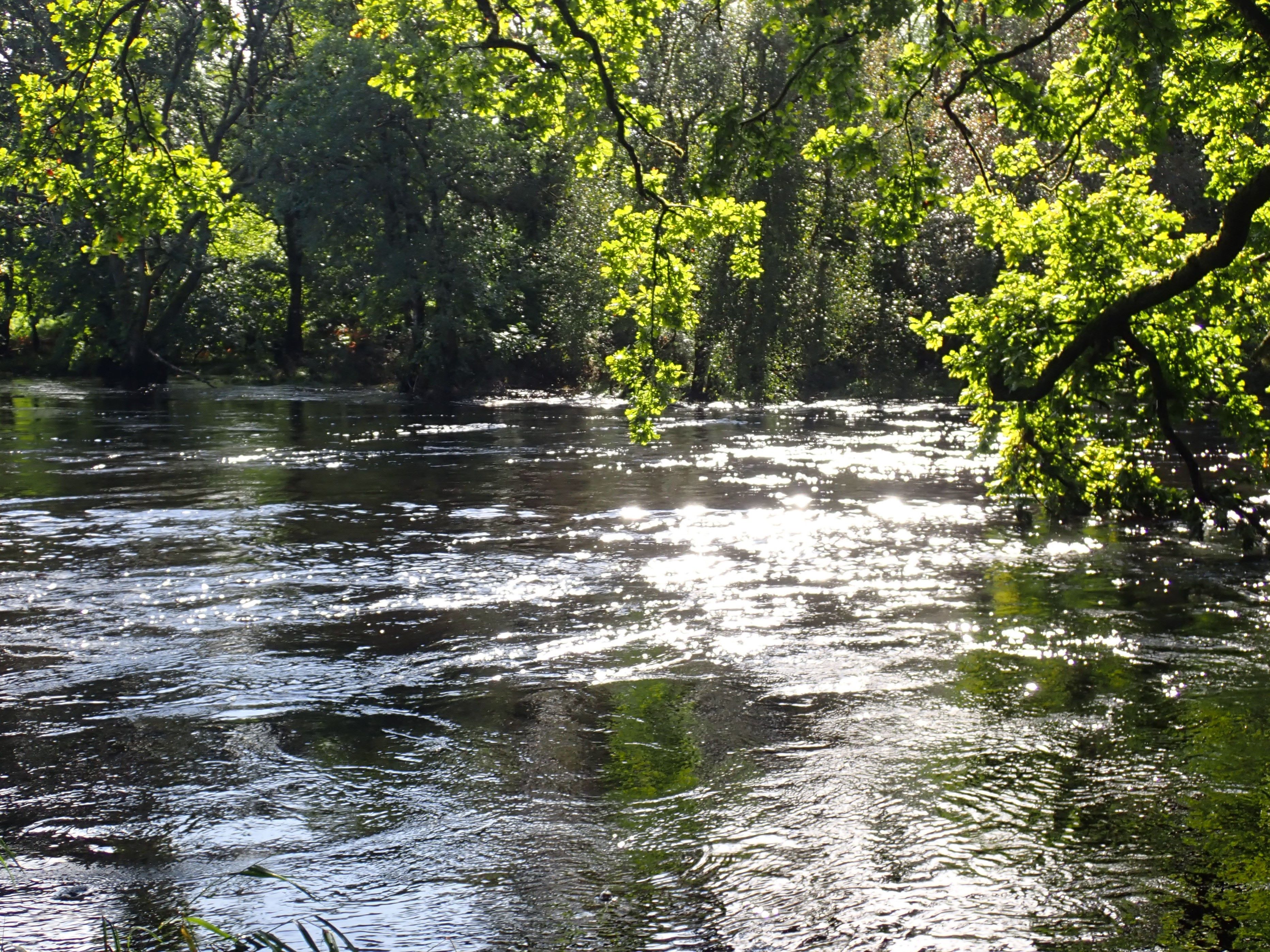
We got to see the River Cree, which borders the east side of the estate, in all its moods – spreading out over the flood plain upstream of Newton Stewart, as rivers are supposed to do, and giving the town itself some protection from flooding. Casper was entertained by the ‘swimming trees’ and enjoyed the extra stone-throwing and boat-floating opportunities afforded by the wider river.

Another advantage of the wet week was the emergence of many, many mushrooms in the woodland and grassland around the estate and Casper turned out to be a dab hand at spotting these. We found waxcaps in the grass and Chicken Lips in the woods and, most excitingly, a huge number of Chantarelle musrooms growing under mature Beach trees around the estate.

For the first time, and largely because I’d seen these picked and eaten a couple of weeks ago, I felt confident picking the Chantarelles to eat. I did my research first, though, making sure I could distinguish them from lookalikes such as False Chantarelles. The giveaways are that Chantarelles lack proper gills and instead bear their spores on forked folds underneath the cap and also that the flesh of their stipes is white beneath its golden cover. As an extra precaution, I cooked and ate a couple of mushrooms myself one morning, before feeding them to anyone else! After that, though, we enjoyed several delicious breakfasts in the course of the week.
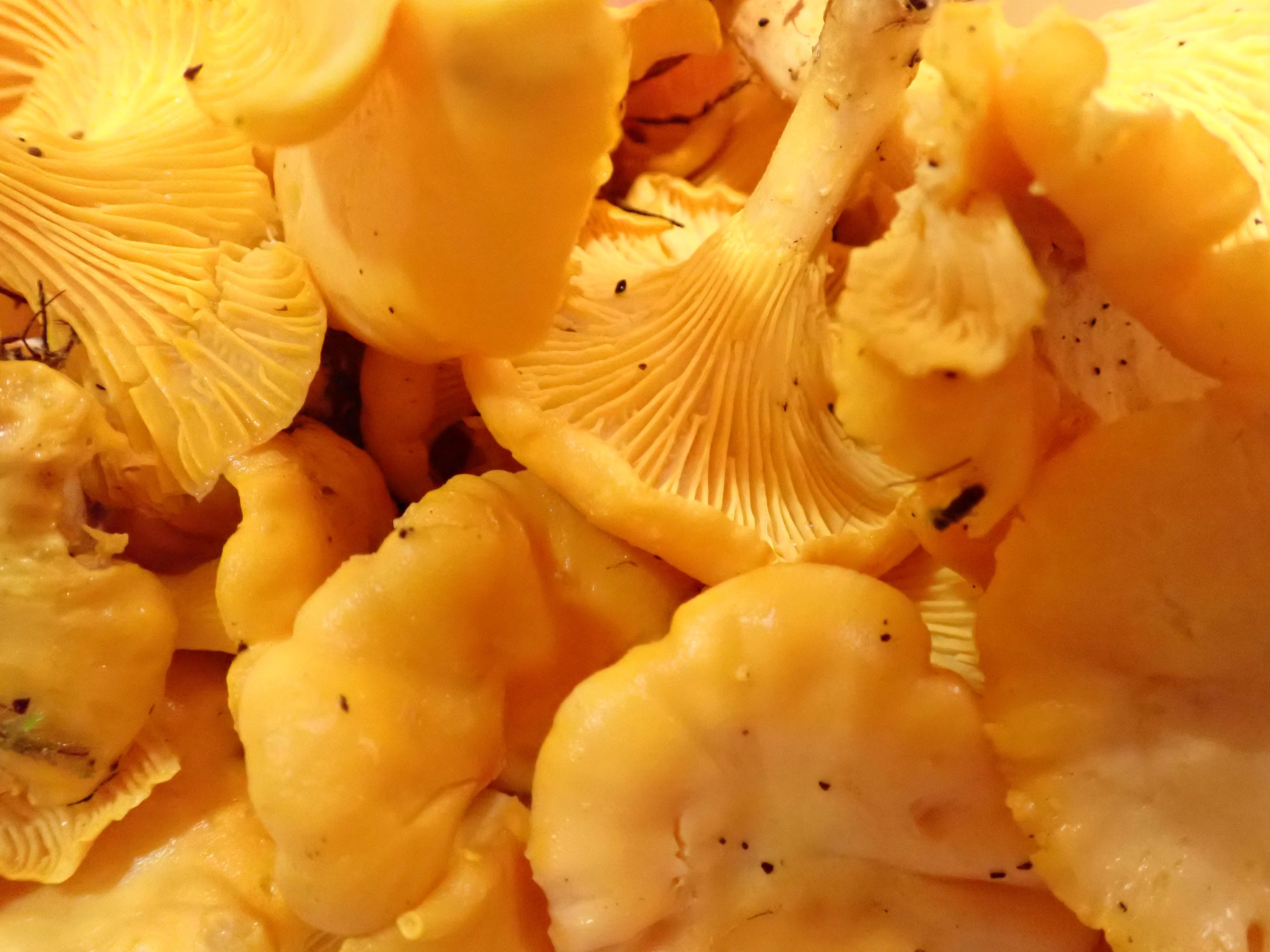
Like many mushrooms, Chantarelles are mycorrhizal fungi, getting their carbohydrates from the tree roots on which they grow, in exchange for helping those roots acquire the water and minerals the tree needs. The waxcap fungi on the grassland near the house also form mycorrhizal relationships with plants and are seen as important indicators of high quality, undisturbed grassland, with good biodiversity. It was a delight to see lots of Bird’s-foot Trefoil, Mouse-ear Hawkweed and Hawkbits flourishing in the grass around the estate.
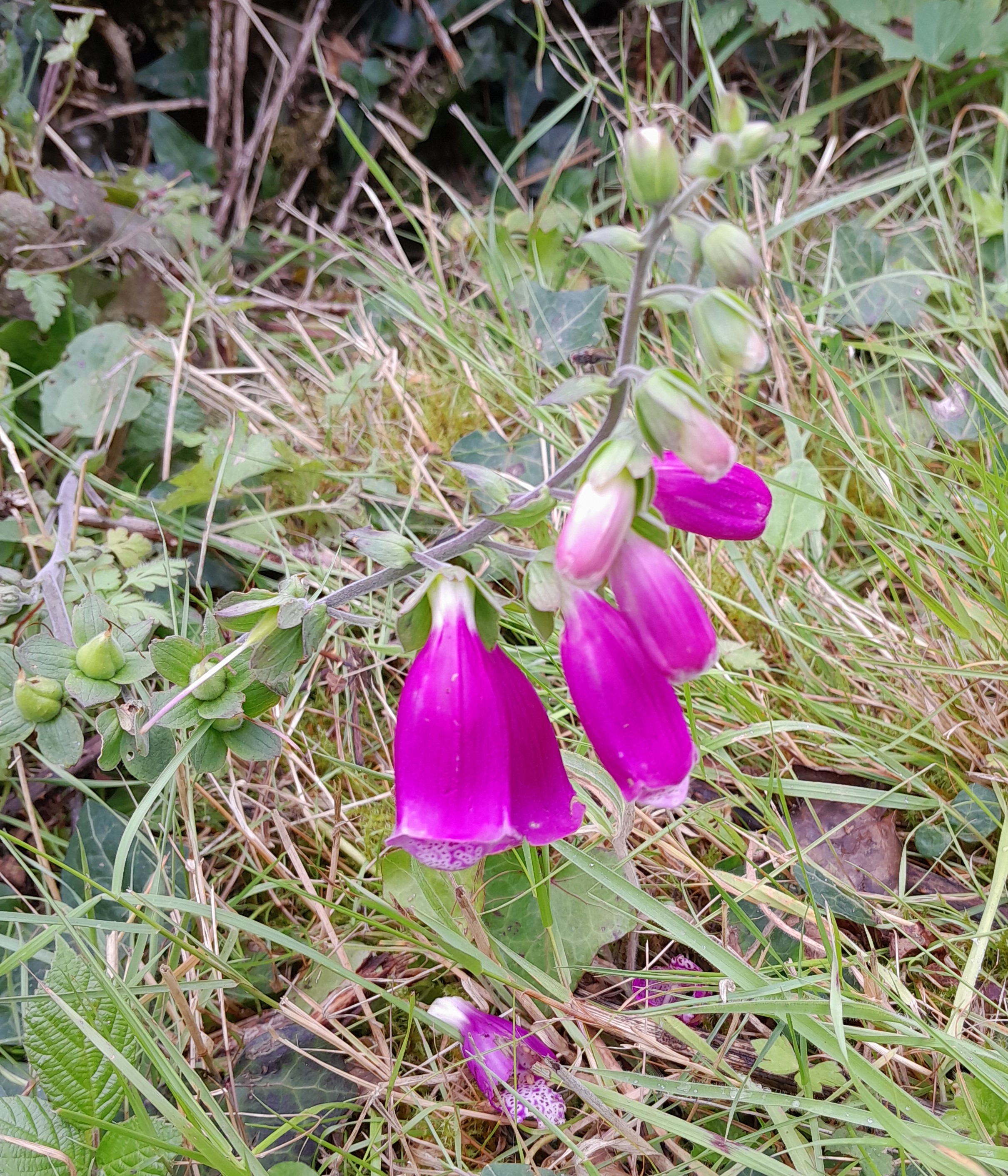
There are distinct hints of autumn in the plant life now, from Sea Asters and Michaelmas Daisies in flower by the river to Devil’s-bit Scabious in grassy areas though I did spot a few Foxgloves in their second flush of flowering.

Both rain and strong southerly winds limited our time on the beach to one very cold outing to Carrick Bay, sadly, so there was little chance for more of the rock-pooling Casper enjoyed in Ardrishaig. We fared better inland, though, enjoying the ‘Anniversary Cairn Trail’ at Kirroughtree forest park with friends. Although a short walk in terms of distance (around a mile and a half long) it took us most of the afternoon to complete, with Casper very busy finding mushrooms and blackberries and throwing stones in Bruntis Loch at the top of the hill. I’m very proud (in case you can’t tell) of the little naturalist Casper is turning into. Although most of his interest in mushrooms and blackberries is linked to whether he can eat them, he is acutely observant of everything in the world around him and was the first to spot the Lesser Swallow Prominent moth (Pheosia gnoma) on the front door when we got back to the apartment one afternoon. I’ll miss my partner in crime when they return to China at the end of the month!

The week’s culinary highlight has been the foraged Chantarelle mushrooms, mostly eaten for breakfast, and simply fried with salt, pepper and some thyme.
While we’ve been away I’ve been reading A Room Made of Leaves, by Kate Grenville, an intriguing novel based on the letters of Elizabeth Macarthur, the first wife of a British soldier to settle in the penal colony of New South Wales at the end of the 18th Century. She was quite a woman; well-educated for the time, and sometimes described as Australia’s first woman scientist because of her interest in astronomy and botany. The unpredictable and often atrocious behaviour of her husband, which led to him being court-martialled more than once, left Elizabeth in charge of the family estates for long periods of time and gave her the opportunity to play a major role in establishing New South Wales as an exporter of quality Merino wool. The novel gives her unusual insight into the issue of how native Australians were simply displaced from their lands at will by Europeans, which it is not clear the real Elizabeth would have shared, but it does make for a nuanced, thought-provoking read.
 heatherkellyblog - travel with me and wonder at what you see!
Very impressed by your unselfish act of testing the chanterelles yourself Heather before feeding them to the family! I’m also impressed by how you manage, in your very busy schedule, to read so many books. Lovely to hear that you are able to spend time with your family.
I thought one of us being sick was better than a houseful! I don’t read much except in the summer, I’m afraid, but I did enjoy this one and have had a lovely time with family this summer 😀
That’s good to hear. You have a beautiful grandson – how lovely to be able to spend a week with him.
I have the book you mention on my list!