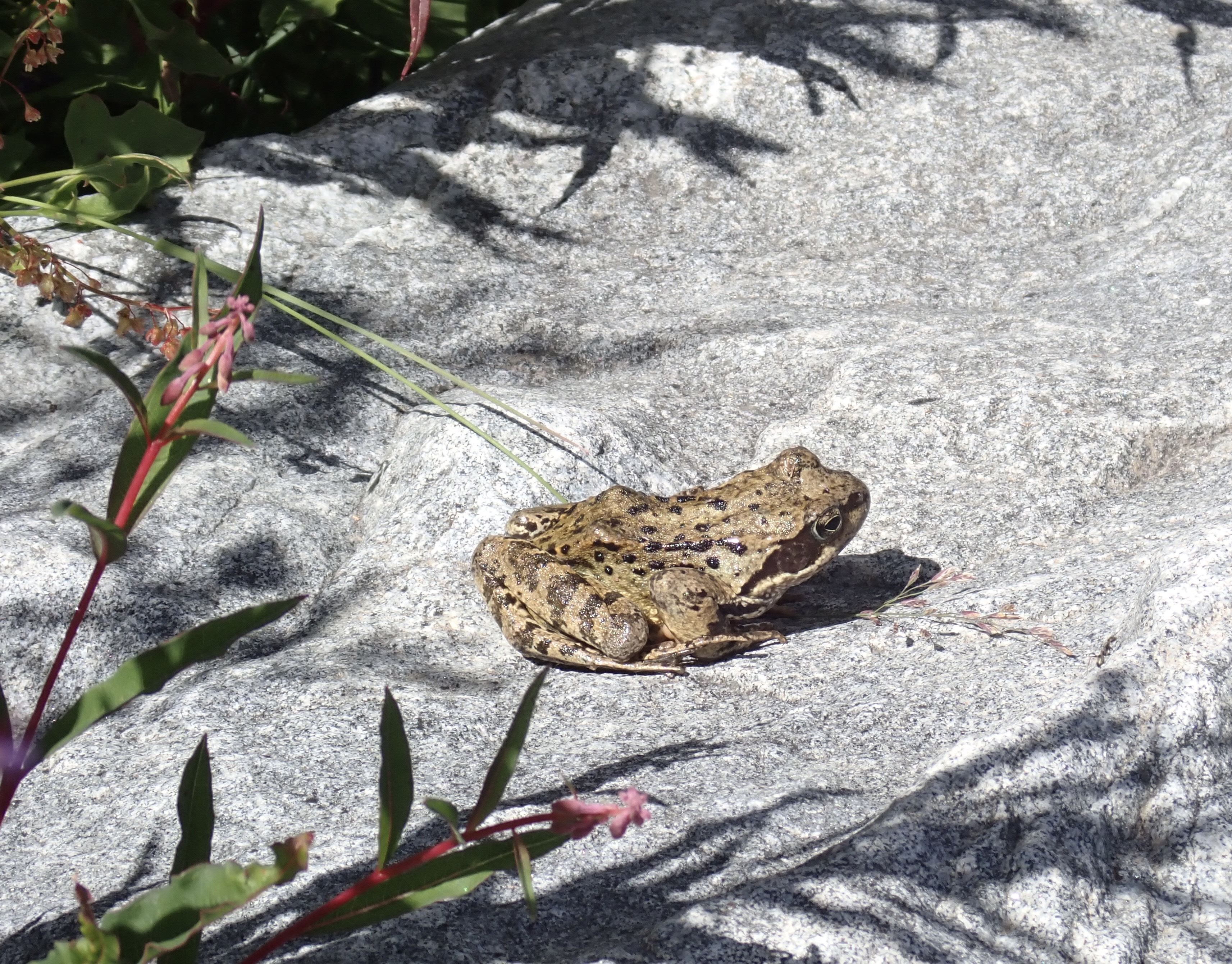
One of the main reasons our trip to Pontresina has been so fantastic for budding ecologists is the incredible biodiversity of the area. Kieran has ticked off many of the 115 or so birds on the list he made based on iNaturalist reports, including at least two pairs of Golden Eagles and Lammergeiers, and we’ve seen dozens of species of moth and butterfly, many in great abundance. We’ve all seen Chamois, Marmots and Red and Black Squirrels and the students have caught Foxes and Red Deer on camera traps set up less than a kilometer from the village. One group were adamant they’d caught a wolf on their camera but, sadly for them, that turned out to be wishful thinking!

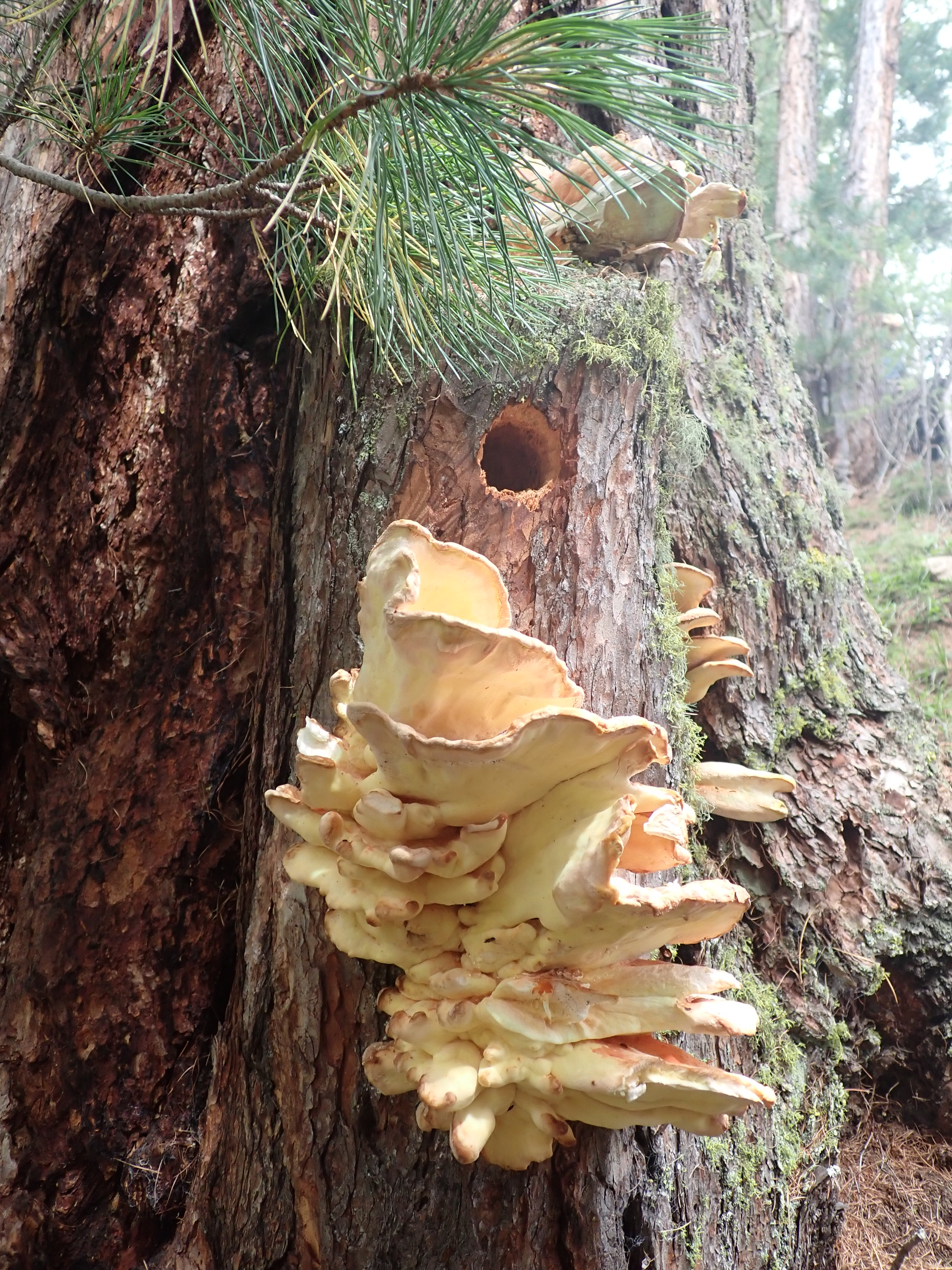


And that’s before I even get started on the plants… everything from stunning hay meadows in the valley bottoms, allowed to flower and set seed before being cut, to mixed woodland on the mountainsides and full-on alpine specialists growing all the way up to our highest sites, 3300 m above sea level.
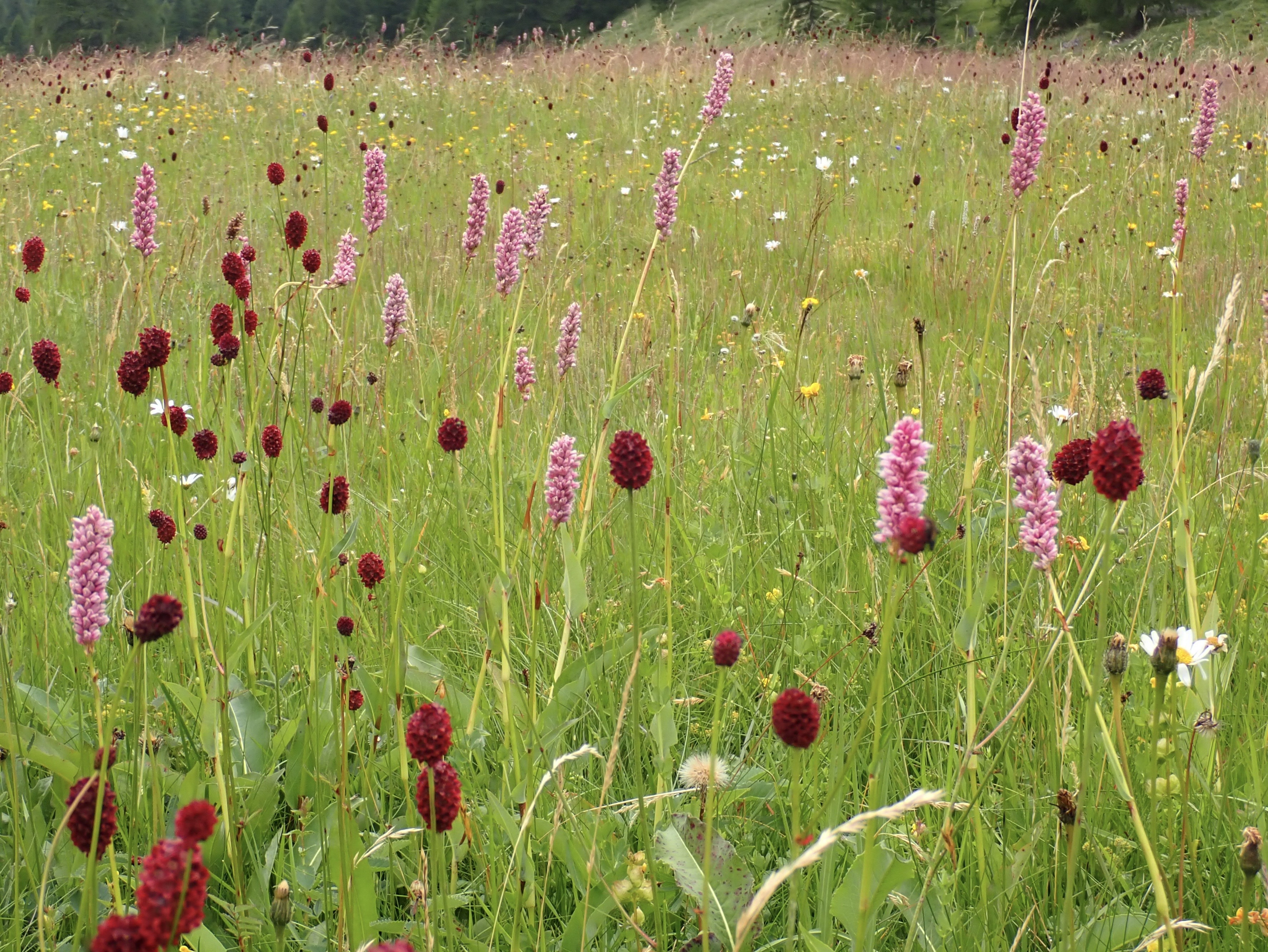
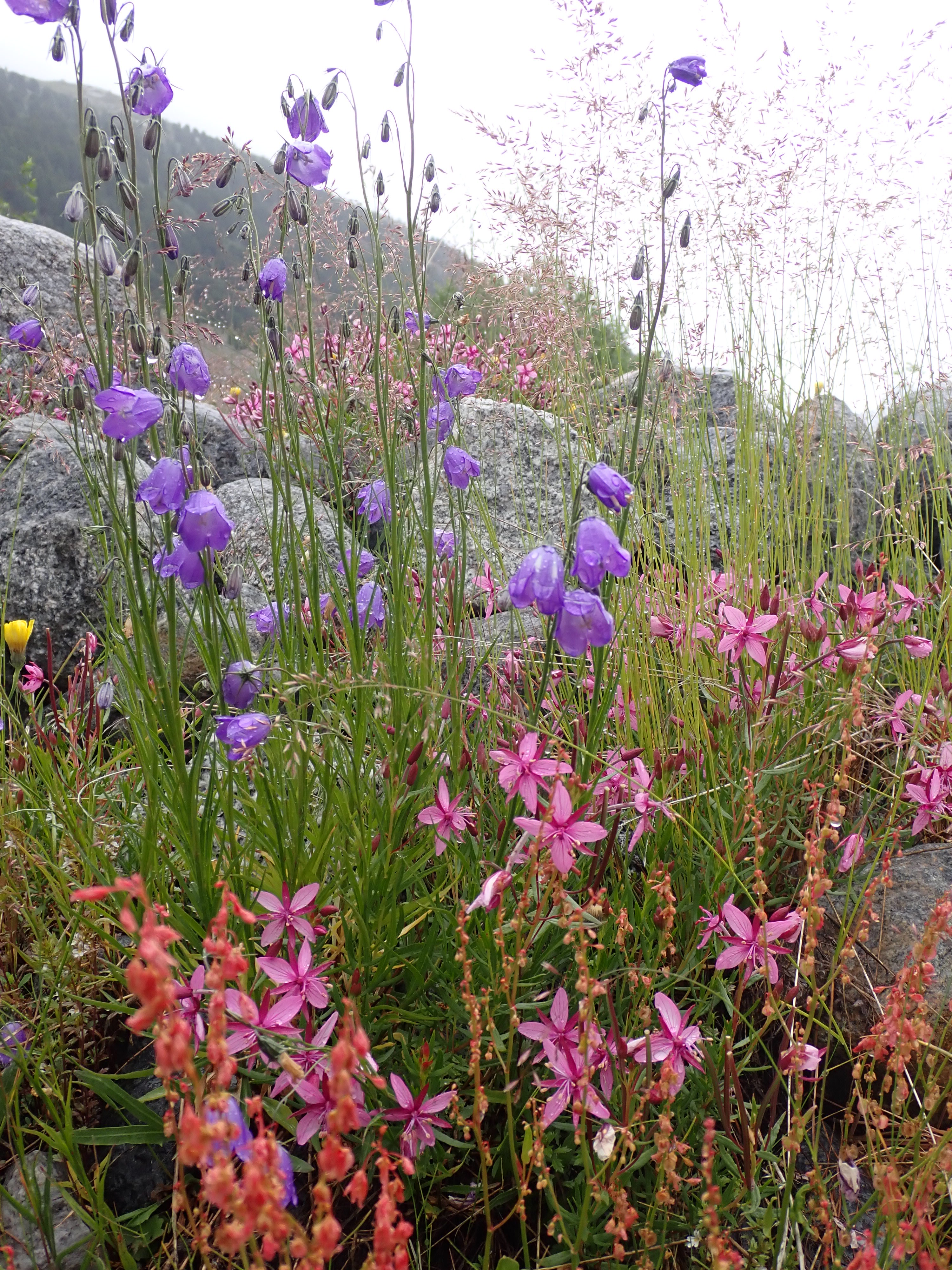
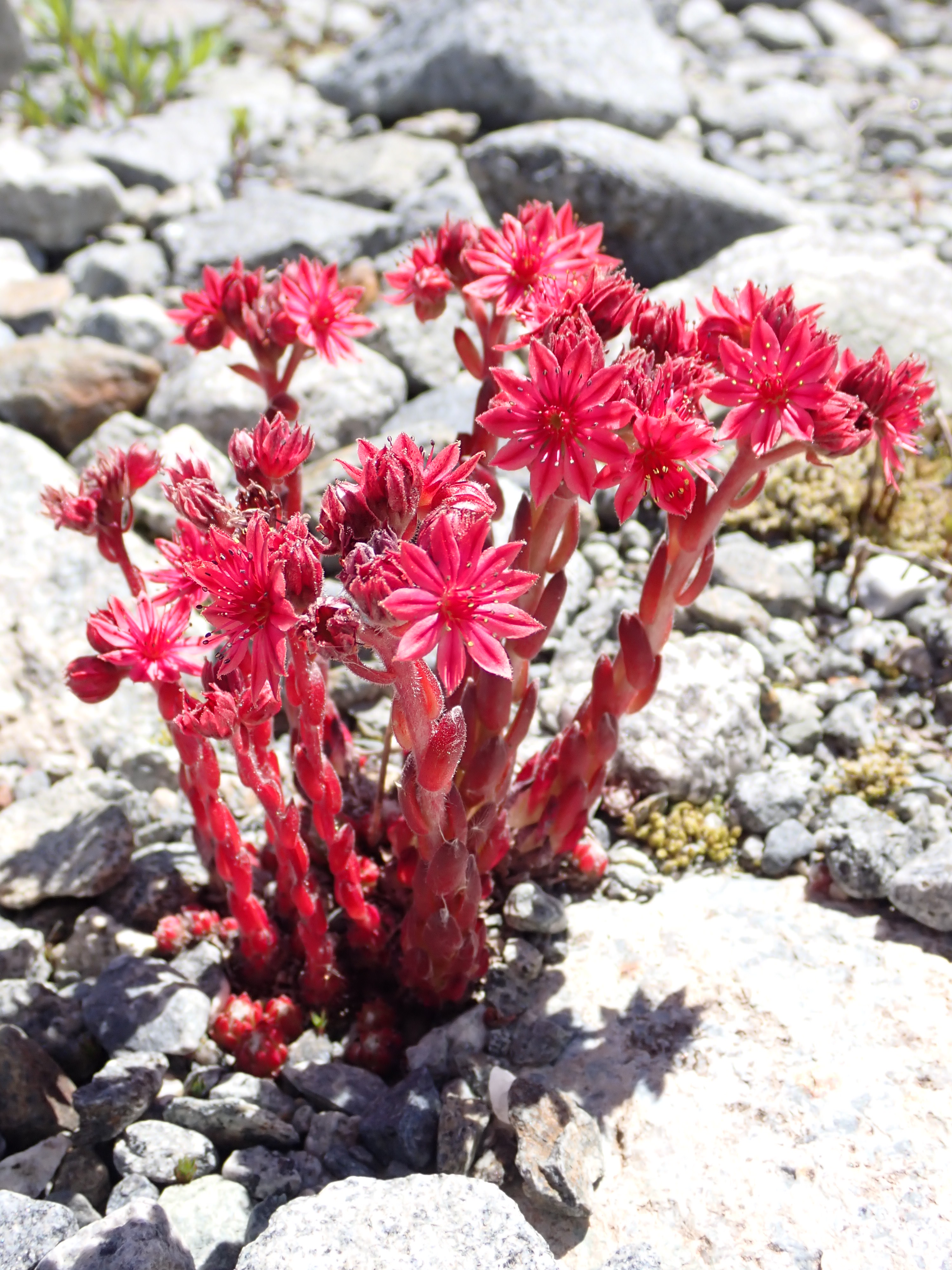
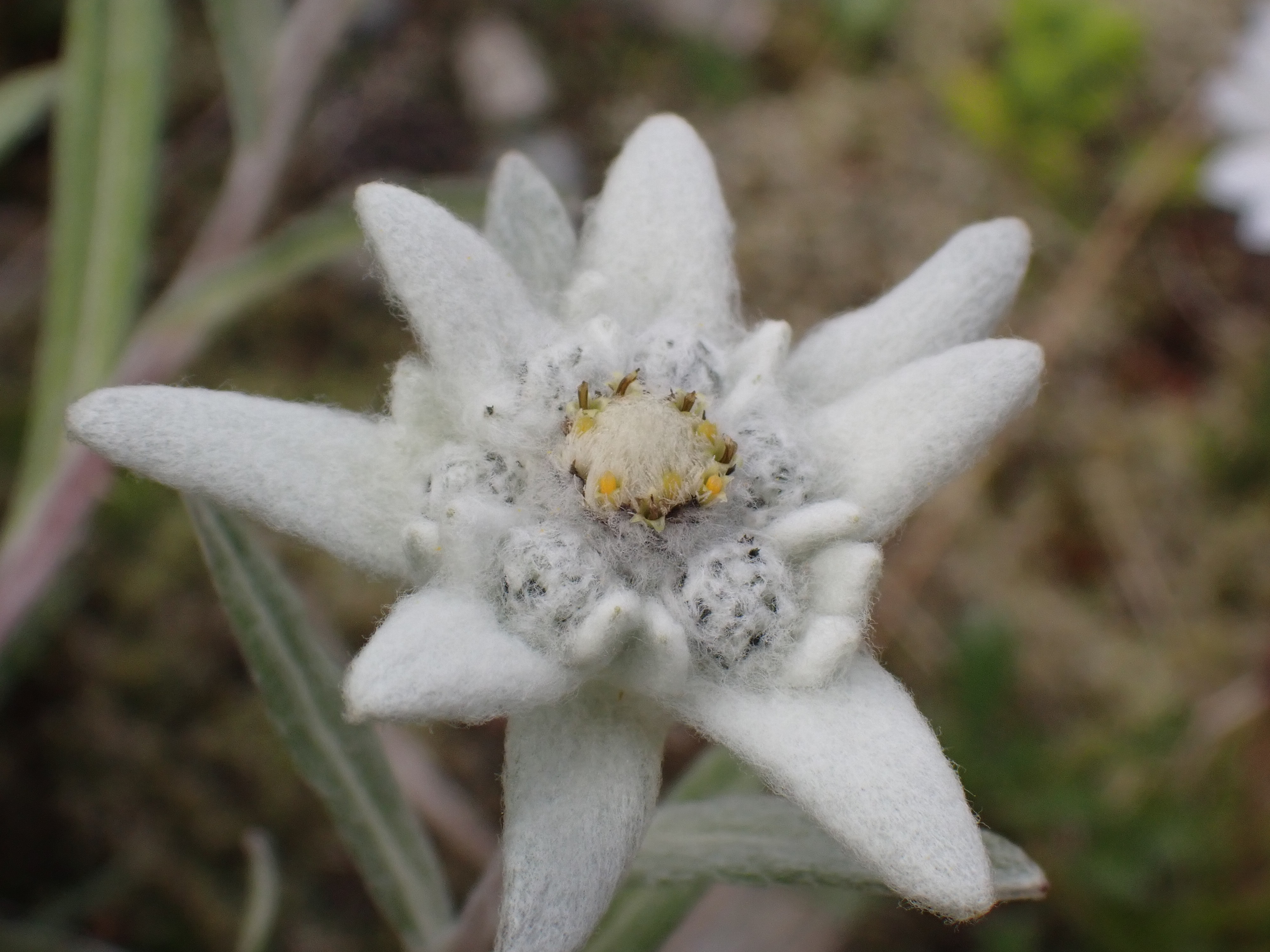

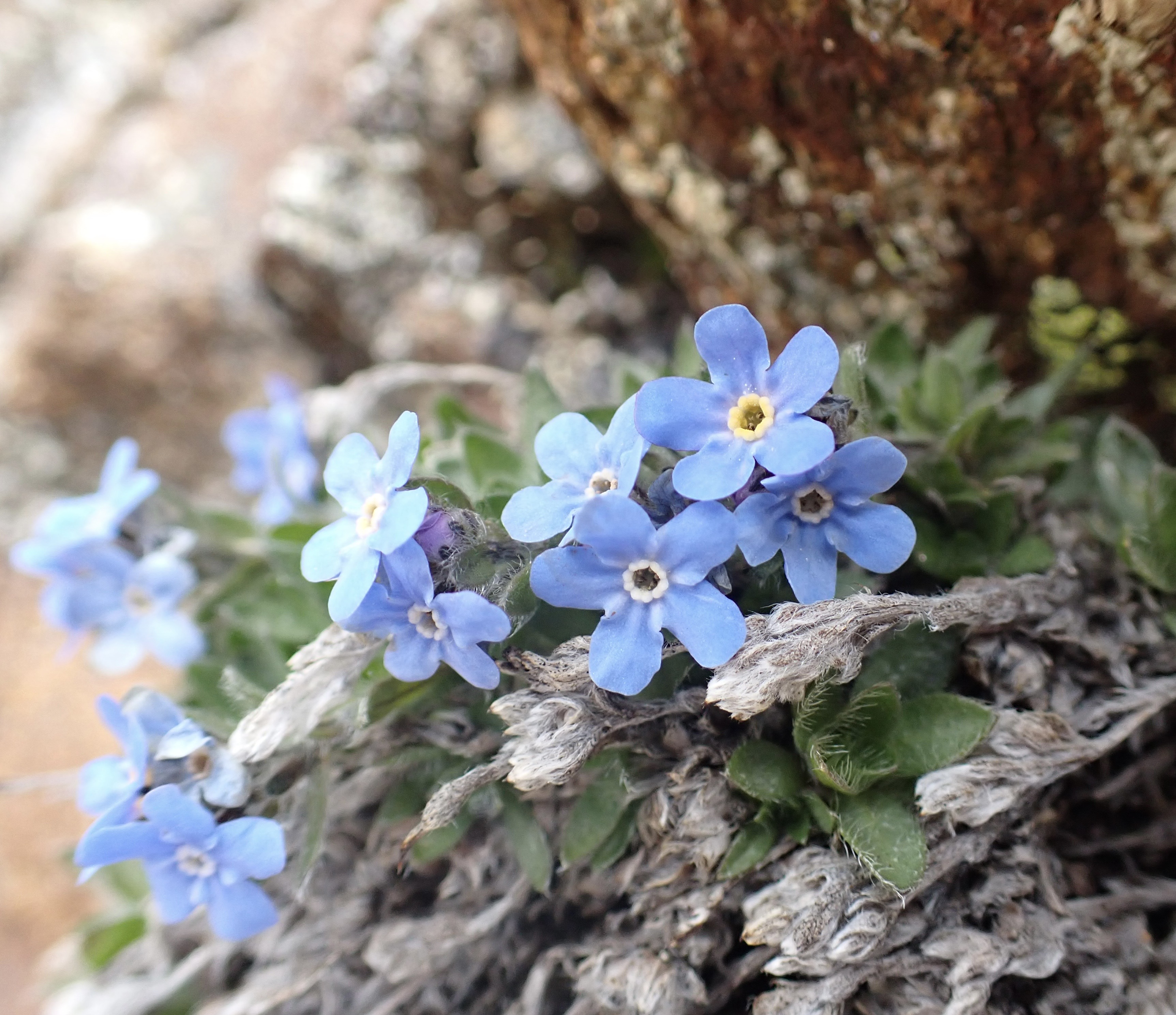
Of course the diversity of habitats available when you have high mountains with deep, flat valley bottoms is a big part of the story, but there is much more to it than that; the land is managed in a way which supports biodiversity. Switzerland is famous for both its chocolate and cheese so there are plenty of cows around, grazing both lowland meadows and on mountainsides, but the density of stock is relatively low and everywhere there are electric fences so that the cows can be moved around between areas, giving the vegetation time to recover.

I was curious about how this low livestock density is supported. How do farmers balance keeping stock densities at a level which sustains biodiversity, whilst making a living? What sort of government support and subsidies are needed? According to Sustainable Government Indicators, https:/, Switzerland does very well in comparison with other countries (ranked 8th globally) in terms of environmental sustainability, despite not everyone agreeing that this is a priority. Many more things are put to the public vote here than in the UK and both a Carbon dioxide emissions-reduction law and ‘Popular initiatives’ to reduce pesticide use were rejected in 2021, despite pesticide levels in drinking water regularly exceeding legal limits and concerns about their impact on biodiversity. Voters expressed their concern that the proposed new legislation would weaken domestic food production, leading to increased dependency on food imports, and also that farmers’ incomes would fall.
However around 40% of the Swiss population did support changes to pesticide use, and it seems that this has prompted debate and a number of important changes in legislation; the government has committed to halving pesticide risks by 2030 and has introduced new direct payments to farmers who don’t use herbicides, pesticides and fungicides, as well as providing support to those who want to buy new equipment to reduce the amount of drift when crops are sprayed. The food industry has got involved too, paying a premium for crops which are produced using less pesticides.
The government also has a wider strategy to safeguard ecosystem vitality and prevent biodiversity loss, which includes projects to support the sustainable use of moorland to mitigate climate change and to enhance biodiversity in urban areas. There is a welcome focus on preserving both endangered species and genetic resources more widely and on strengthening education about biodiversity and against the illegal wildlife trade. Biodiversity is monitored by government bodies such as Biodiversity and Landscape Monitoring Switzerland and the National Forest Inventory. Whatever they are doing seems to be pretty effective – it would be lovely to see some of the same here! What would happen to plant and insect diversity in places like the English Lake District if a similar approach were taken there, with fair subsidies to farmers for looking after the environment as well as producing food? Watching the changes occurring relatively quickly on land managed by farmers such as James Rebanks and the RSPB at Haweswater offers both insight and hope to those who would love to see our mountains once again home to a wide variety of plant, insect and bird life and maybe even Golden Eagles.
 heatherkellyblog - travel with me and wonder at what you see!
Hi Heather, I’m really enjoying reading these as they relate so much to our local area (on the northern edge of the French Alps) too. I was certainly impressed by the species richness of our hay meadows. Did you know that cheeses can be categorized by where the cows have been feeding, e.g. the alpage in summer when the herds move up to the alps (June through to October) and then when they are moved down again for the winter and eat a hay-based diet – that cheese is ready early April.
A shame you didn’t spot a wolf 😦 (though the shepherds might not agree!) but they tend to be around more in winter, often in small groups. We put a camera trap out at night by our back door (we are in a village but fields and woods nearby) and have regular … nightly … hedgehogs, which sometimes fight over food but generally get along. A young fox calls by around 12 or 1 most nights, especially when the streams are dry and it wants a drink from the pond, and a pine marten has been around occasionally as well.
Apparently marmots are moving higher up the hills as the climate changes, and the other newcomer that has been caught on a camera trap in the woods is Golden Jackal.
Certainly an interesting area!
Glad you enjoyed it so much, Linda – it’s a really beautiful part of the world which I’ve not really visited before. I’m certainly keen to go back and explore further!
Hello Heather
You might be interested in following hilltopfarmgirl on IG. Leigh and her husband have a similar way of farming
Pam
farnworths@icloud.com
Thanks Pam 🙂
I hadn’t really thought about it before but, you’re correct, it’s very biodiverse.
It’s amazing!
[…] thoroughly enjoyed helping run the 3rd year Ecologist’s field course in Switzerland at the start of the summer, I’m now getting ready to bookend the summer vacation with something […]
[…] department to let me teach on not one, but two, third year field courses. This meant a trip to Pontresina in Switzerland in July and another to Belize in September. Normally, a chance to spend ten days in the Alps […]