My half of the group had a relatively relaxed start to the day with an introduction to the insects, talking them through the main orders. Fortunately, given my level of expertise, that’s as much detail as they need! It’s a staggering statistic that, in this part of the world, it is estimated that only around 20% of insect species have been named so, even if I was an expert, there wouldn’t be descriptions and names for many of the species we’ll find.
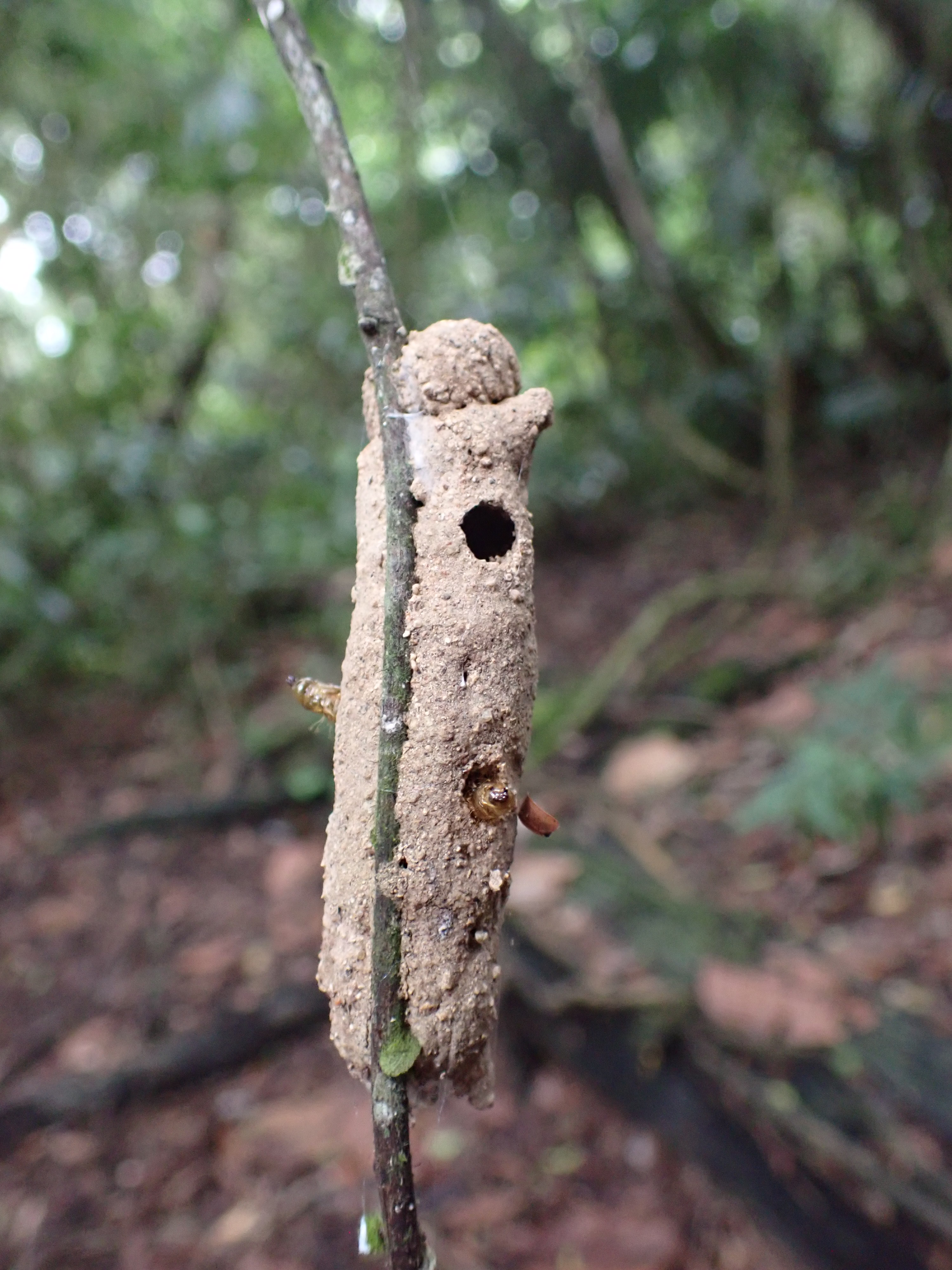
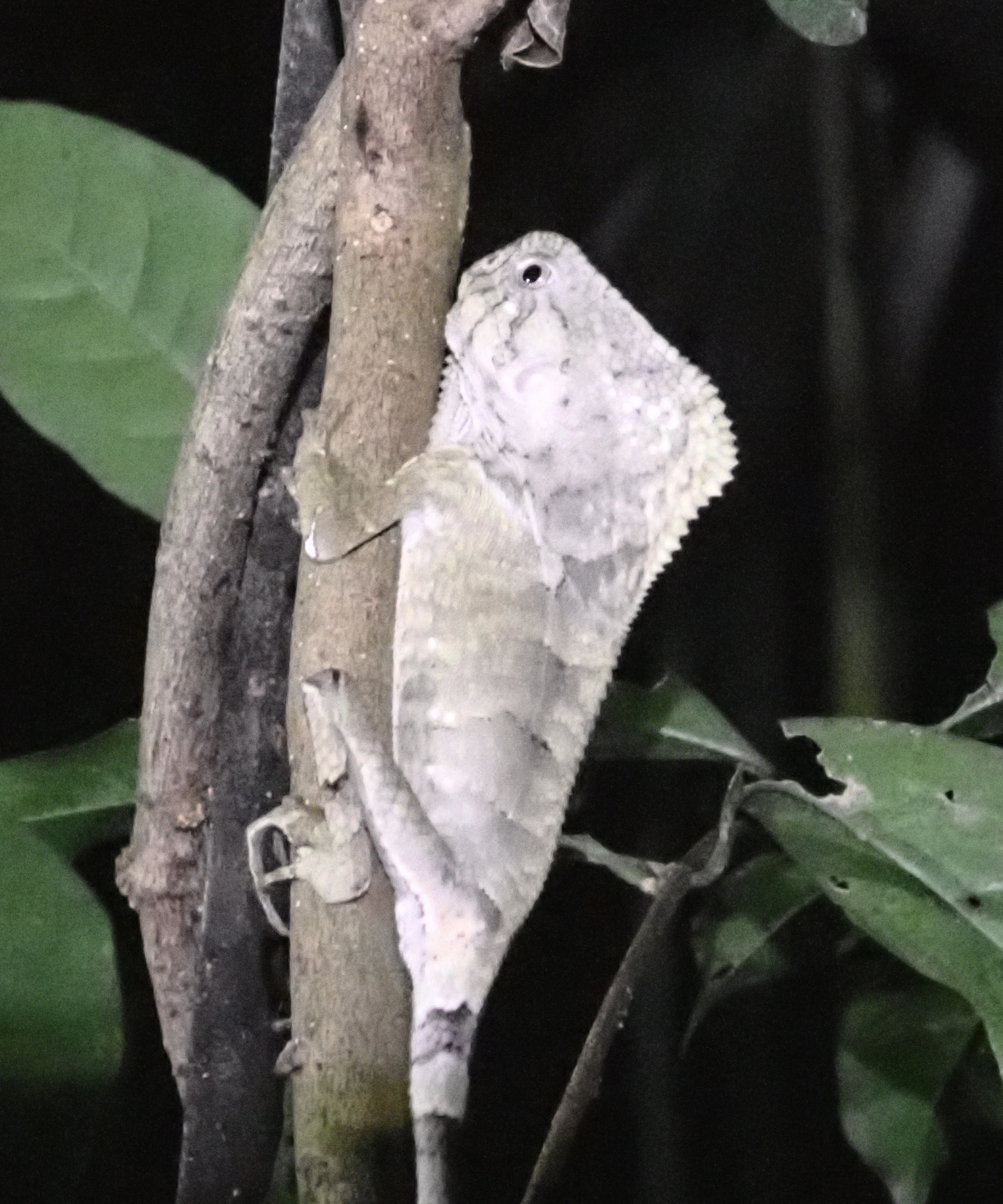
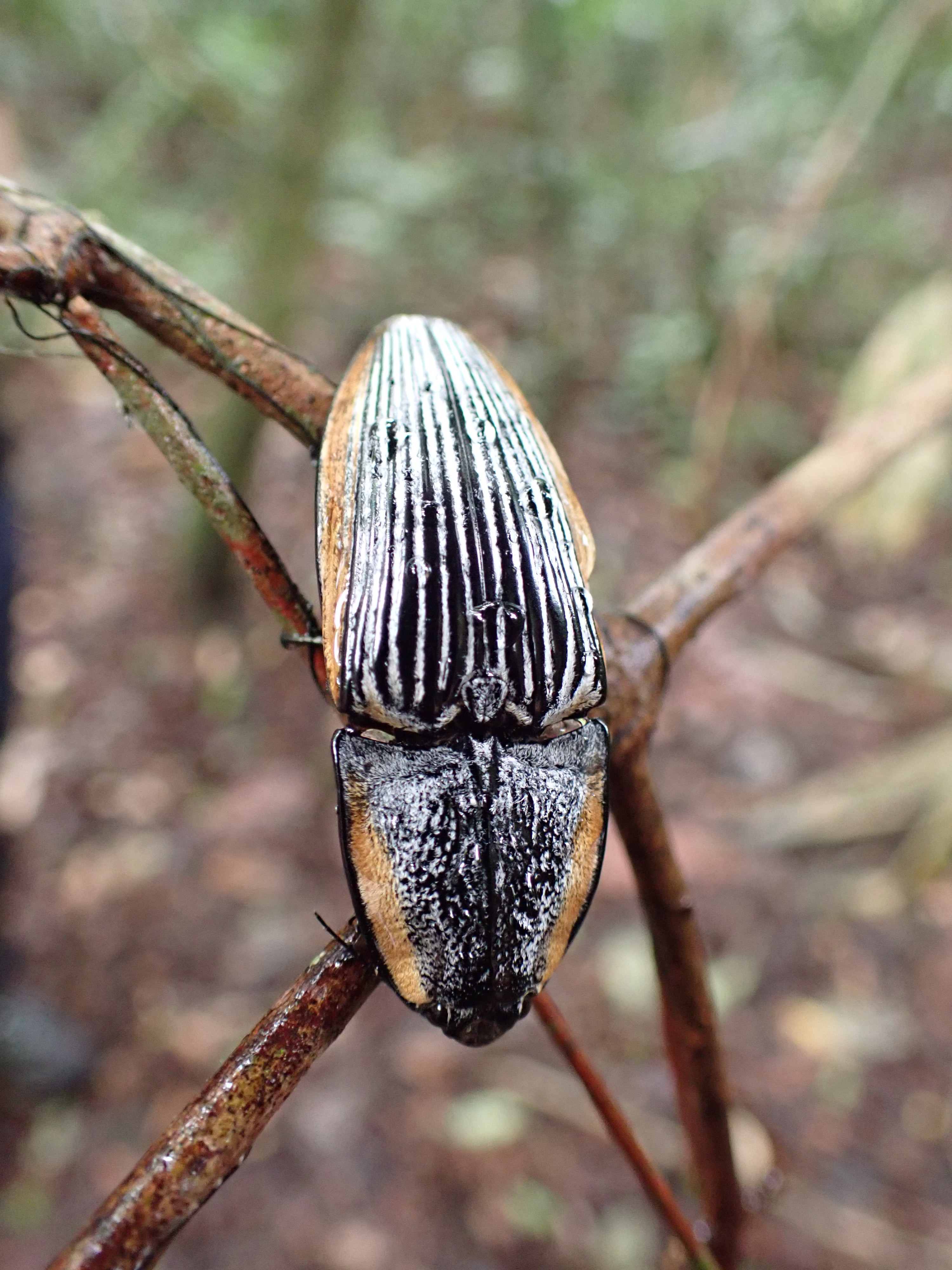
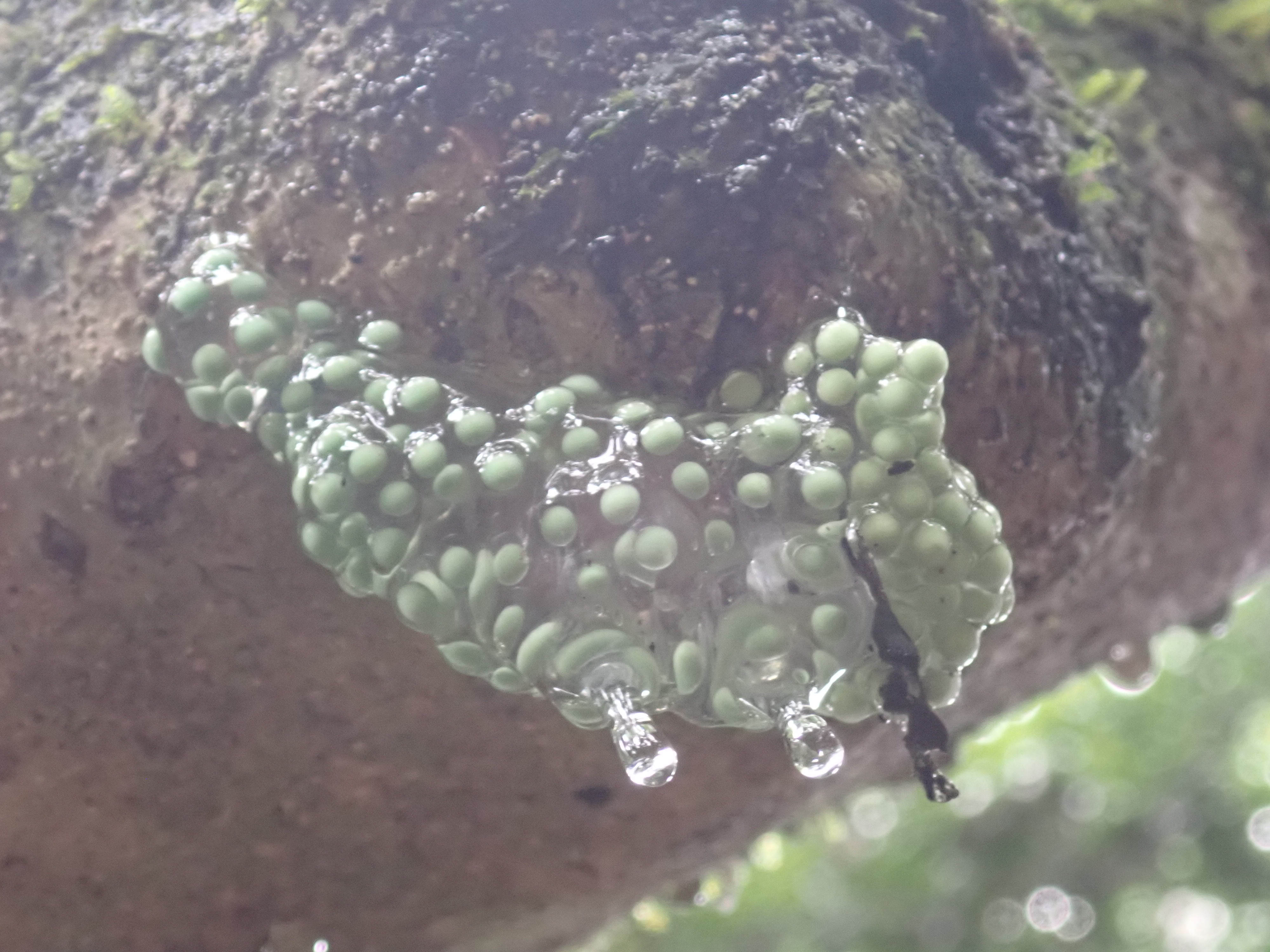
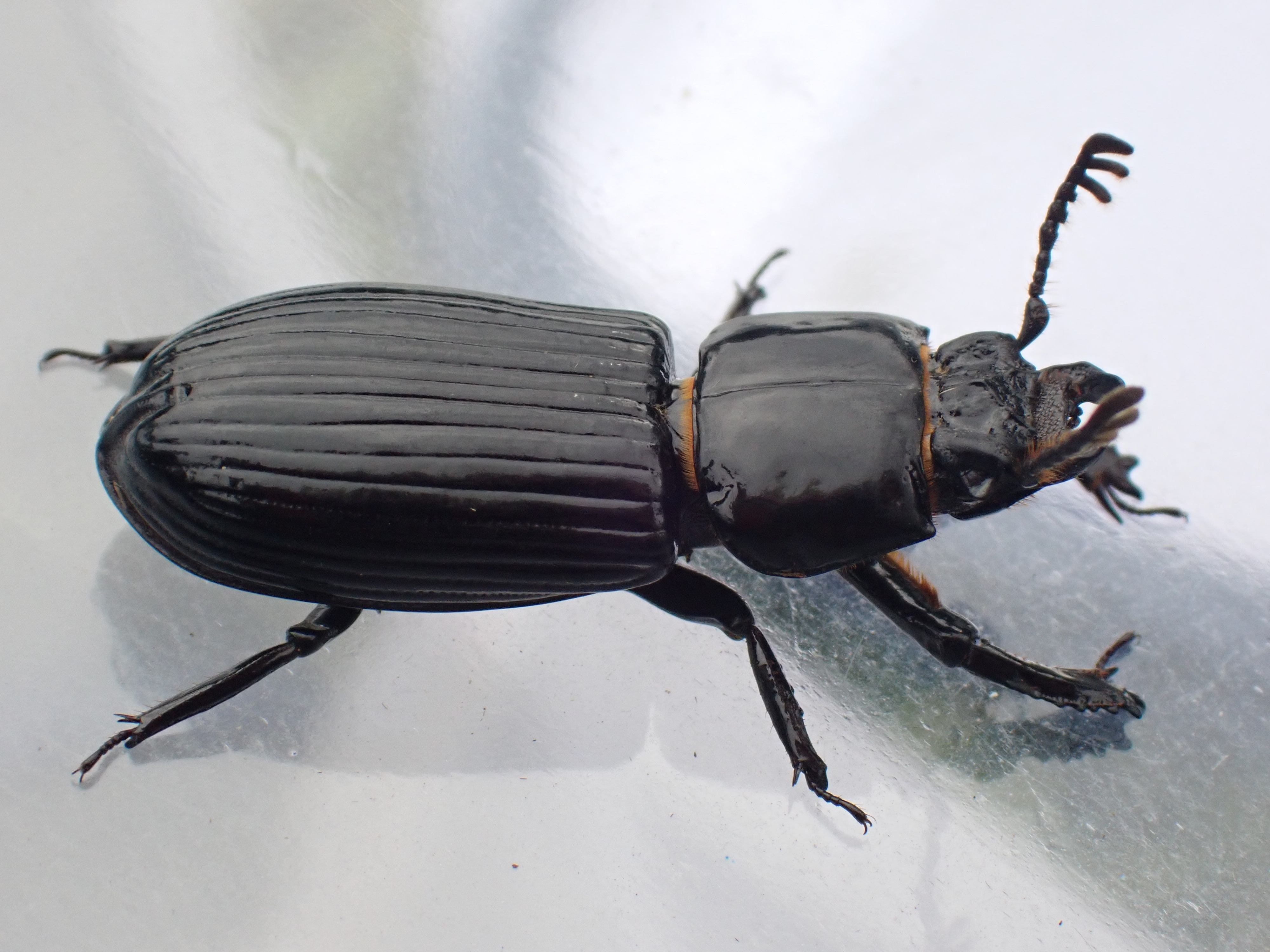
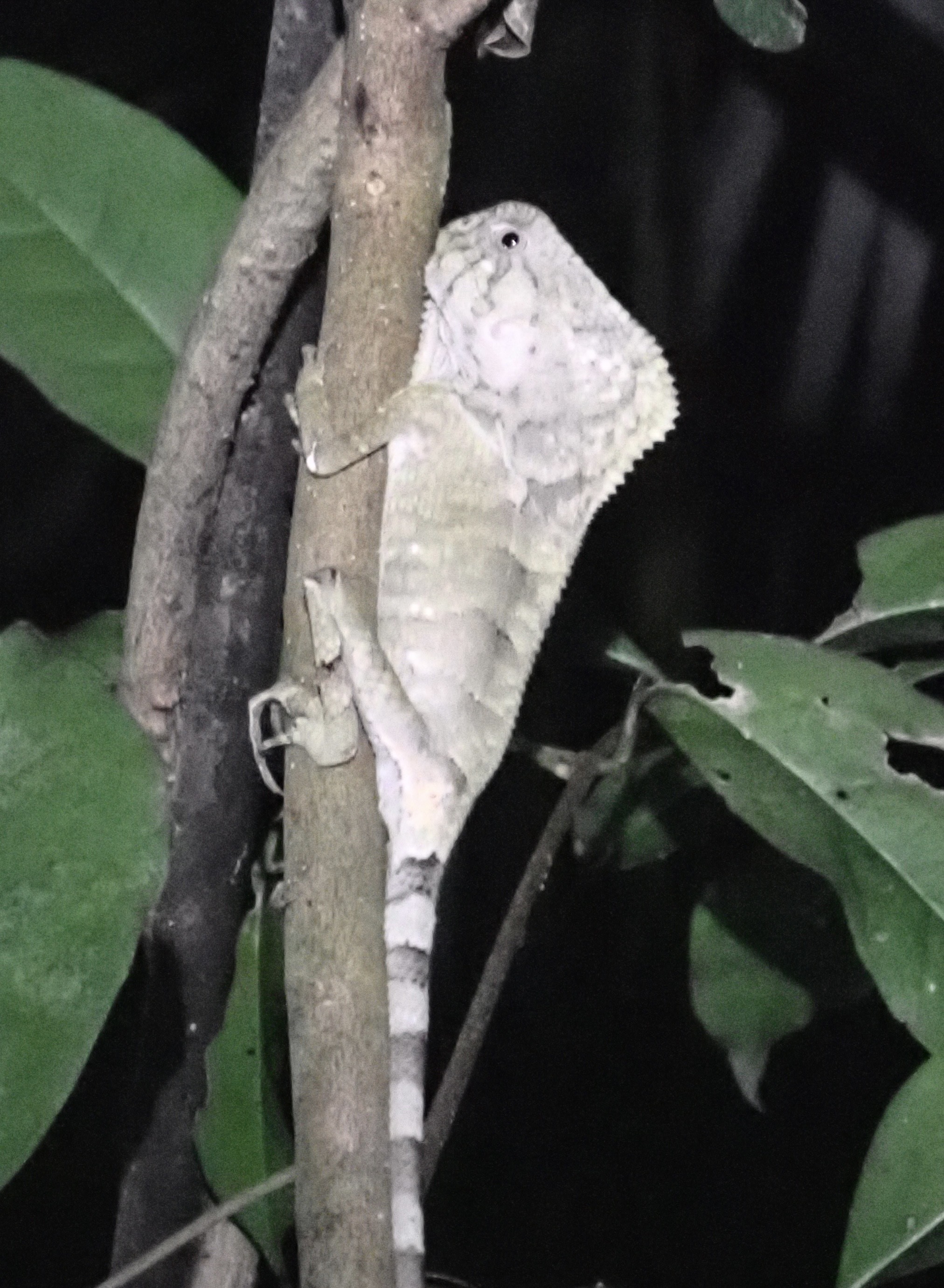
Sadly the pitfall traps in the field were empty so we messed around with sweep nets for a bit, finding an Organ Pipe Mud Dauber wasp and big Black Bess beetles, amongst other things. We then visited the damp area nearby which should be Elegans pond at this time of year. Although there is no standing water at the moment, we found lots of cool things, interpreting ‘hunting for insects’ as liberally as possible! As well as a Mud Dauber wasp nest and a Click Beetle, we found a large Smooth helmeted iguana and frogspawn on a tree – normally, eggs laid like this would drop into the pond as the tadpoles hatch, but I fear these ones are going to be out of luck.
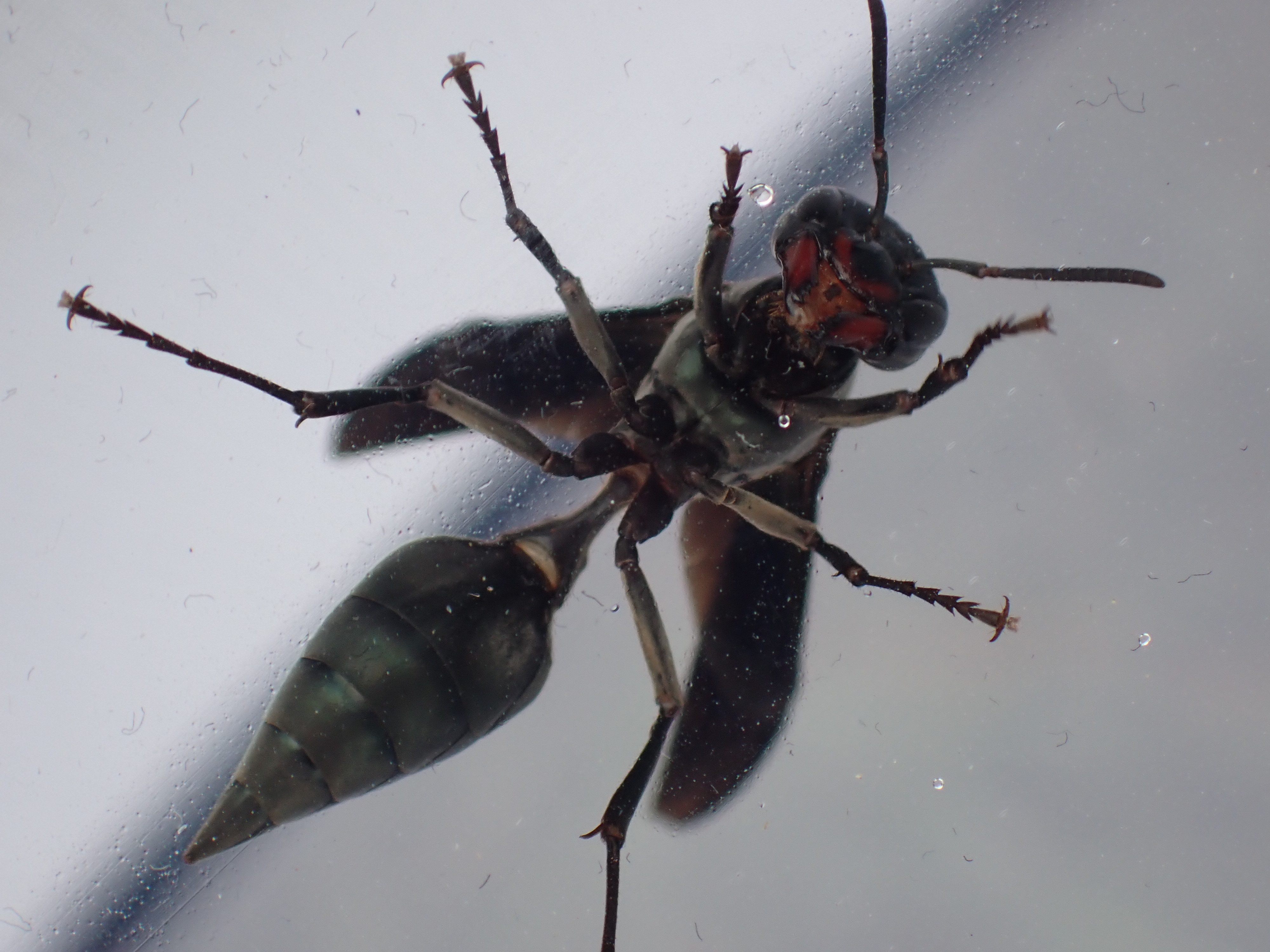
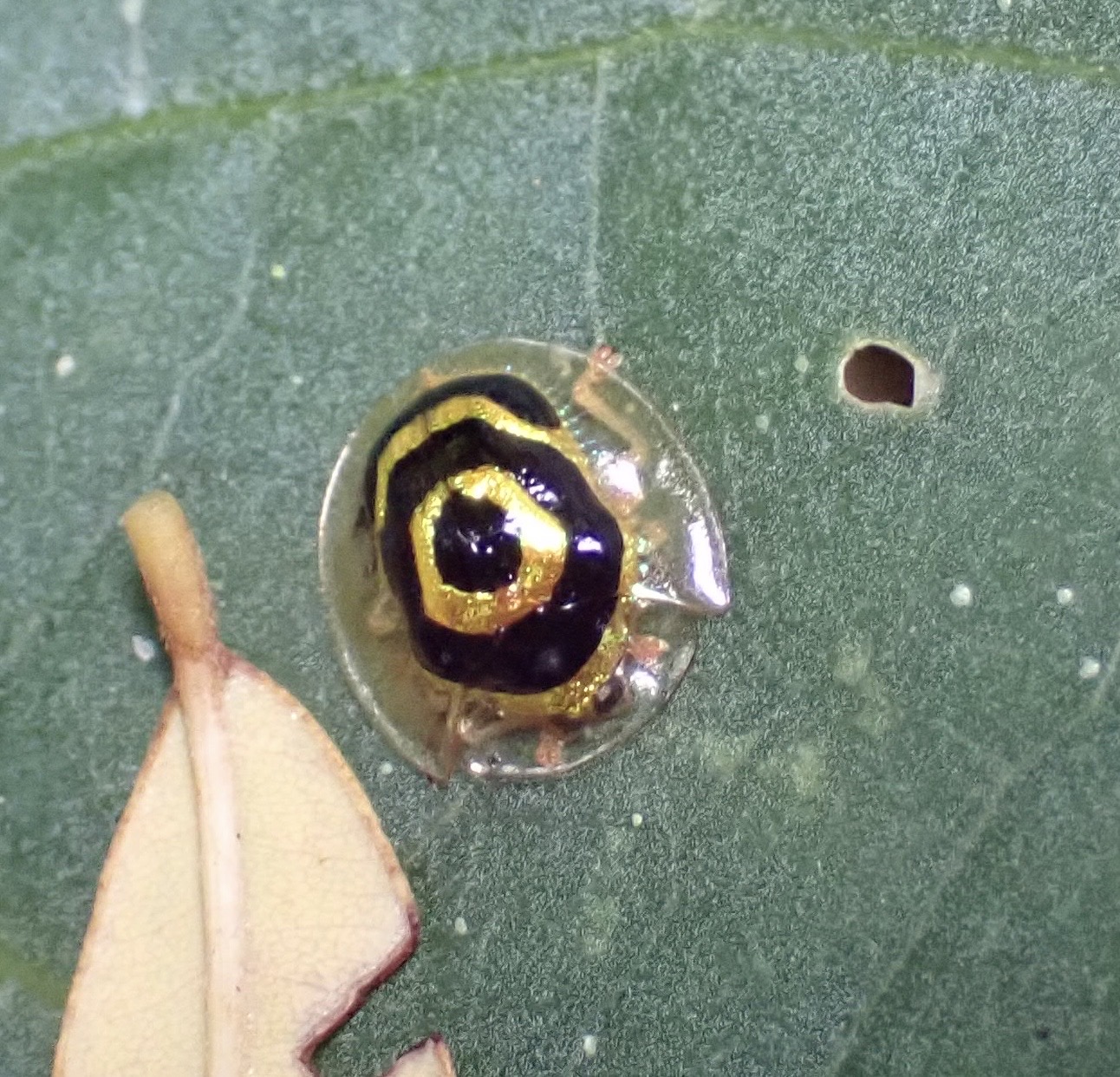
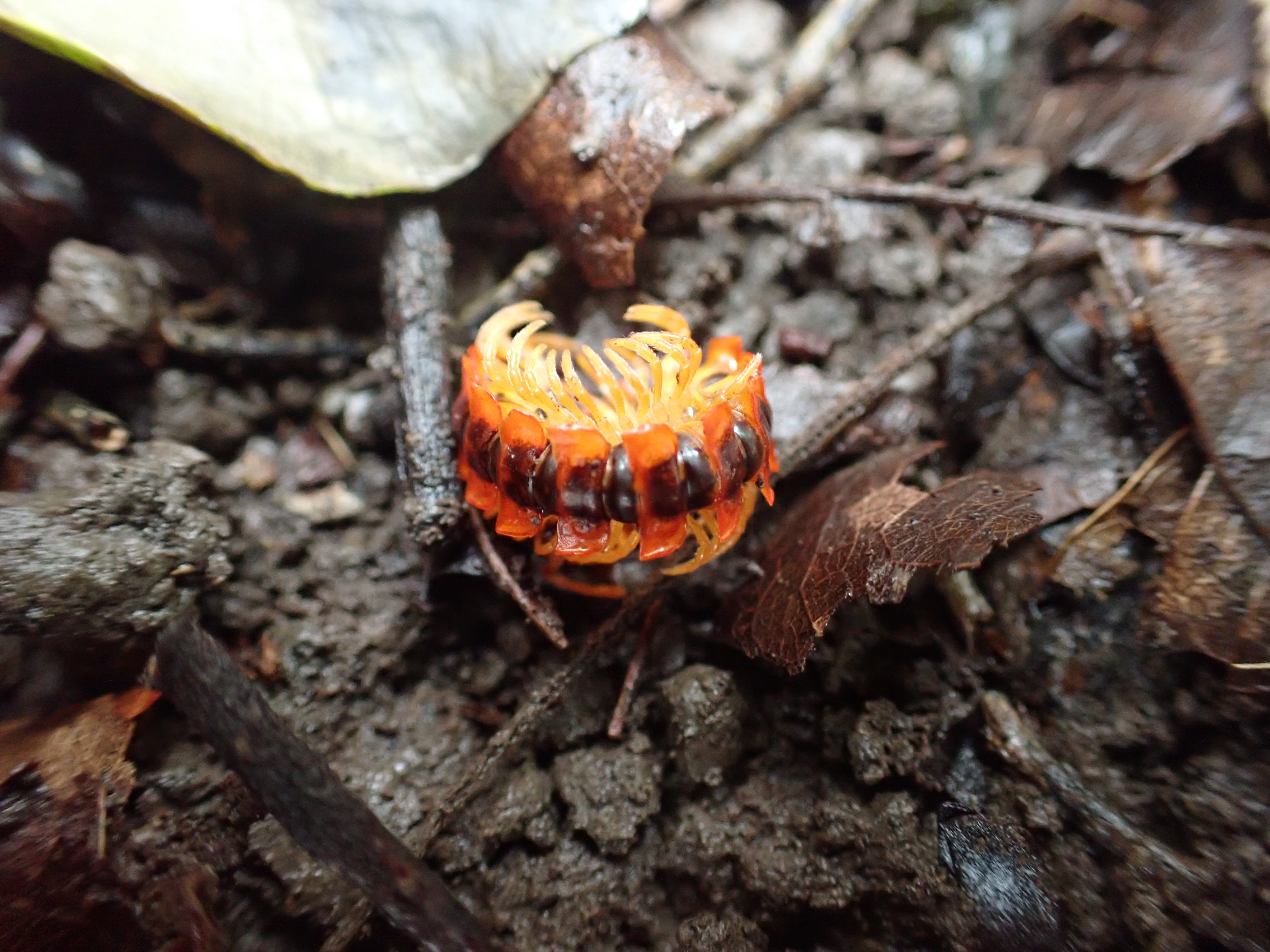
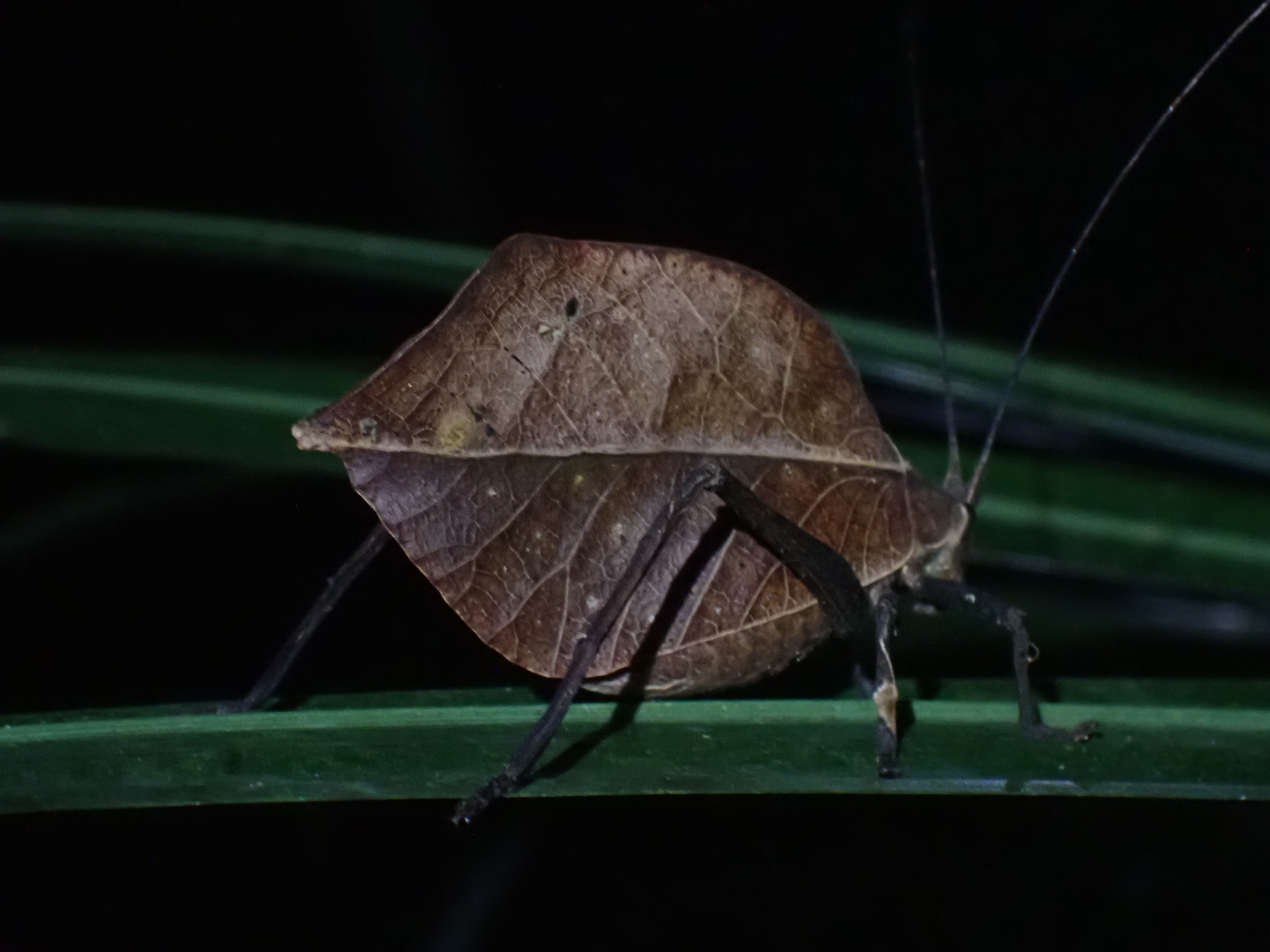
As we wanted to use the sweep nets to survey insects in the afternoon, when the chance of catching butterflies is at it’s highest, the students voted for a walk round the saffron trail looking at whatever insects we could find before lunch. It proved a hit; “the best day of my life, walking through a tropical rainforest picking up cool bugs”, to quote one student (never mind that most insects are not bugs!). We found plenty to interest us – a Golden Target beetle, fantastically striped snails and fluorescent orange millipedes, Katydids in all shades of green and brown, cicada carcasses and some amazing fungi.
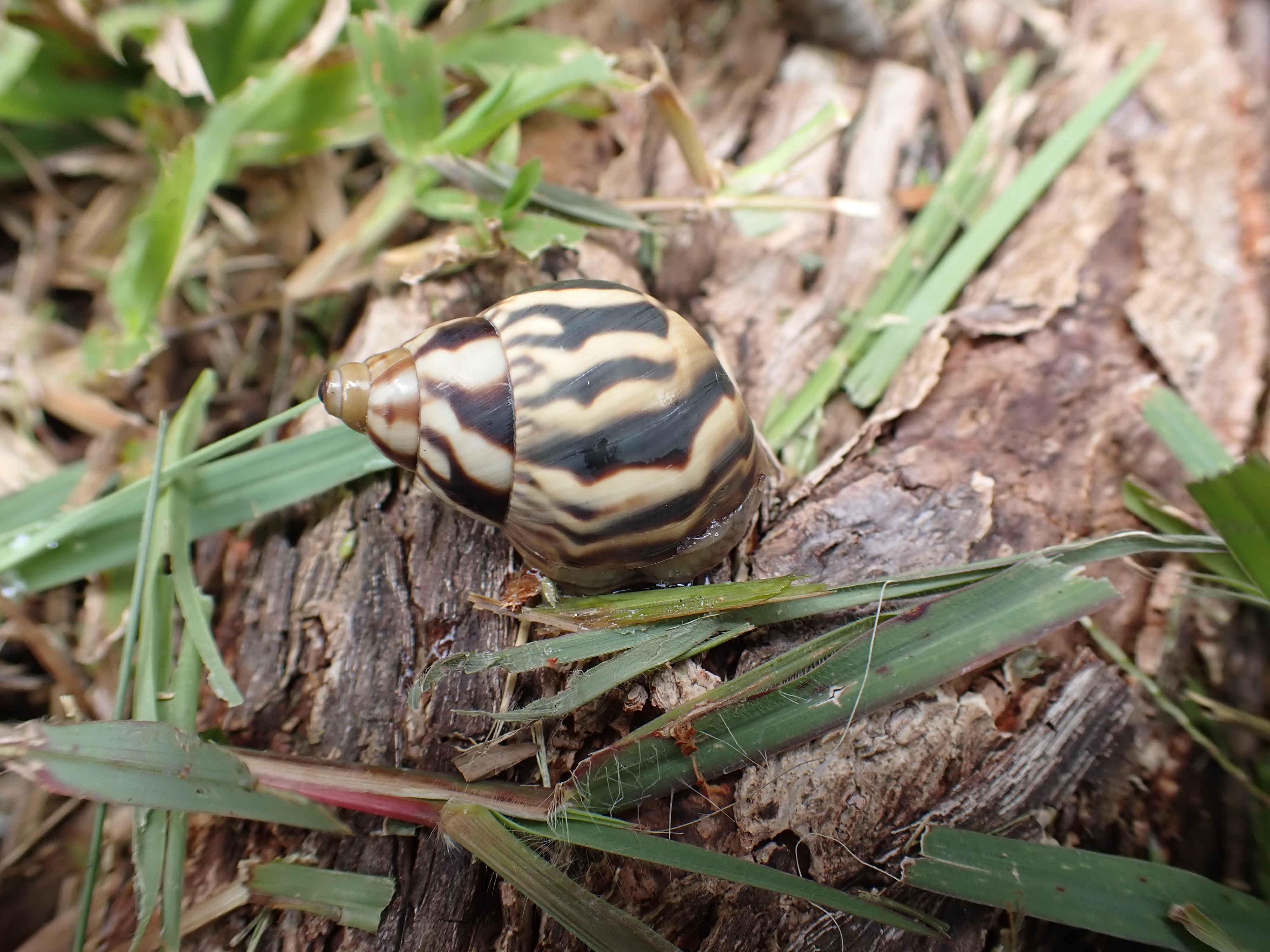
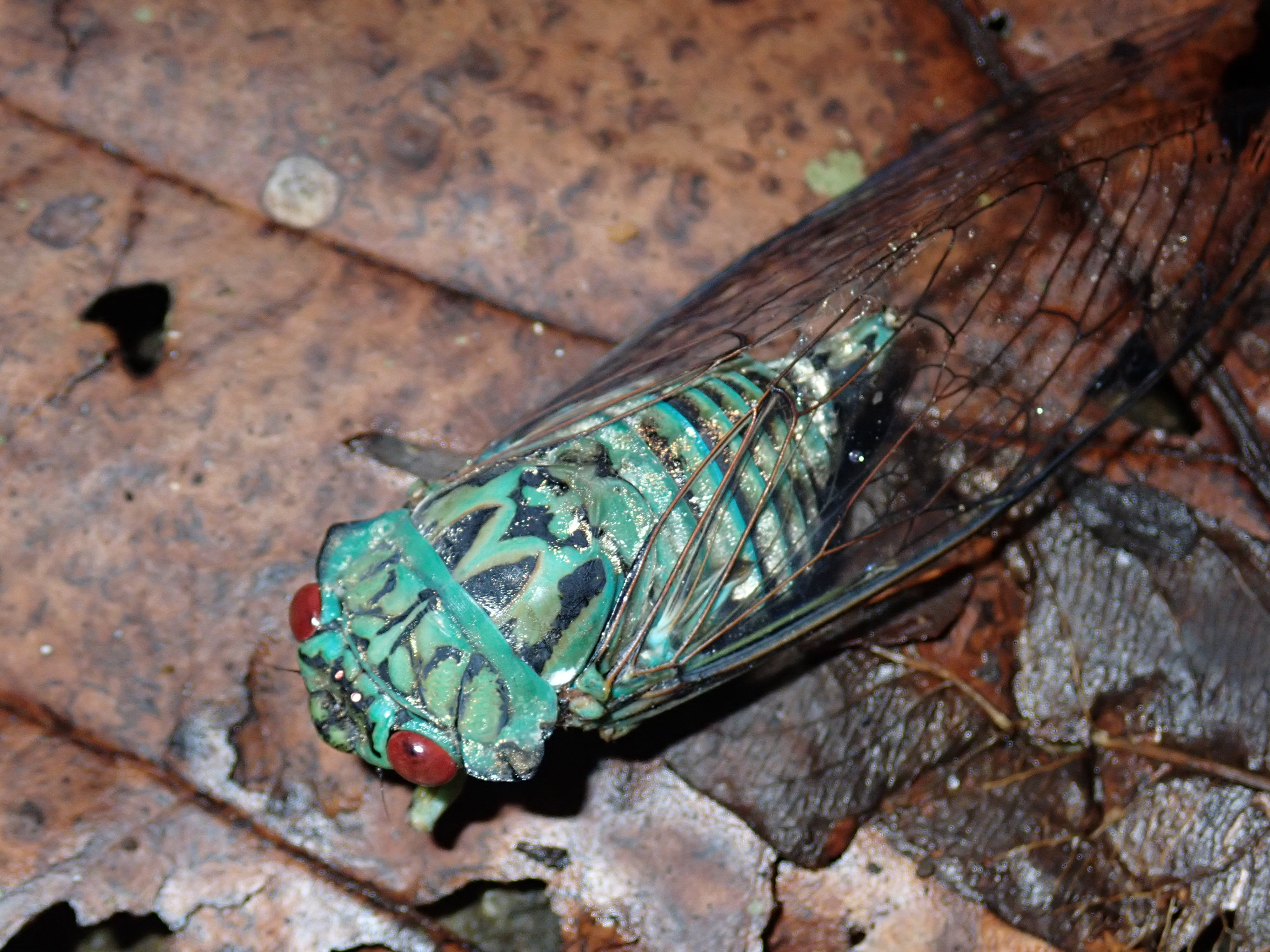
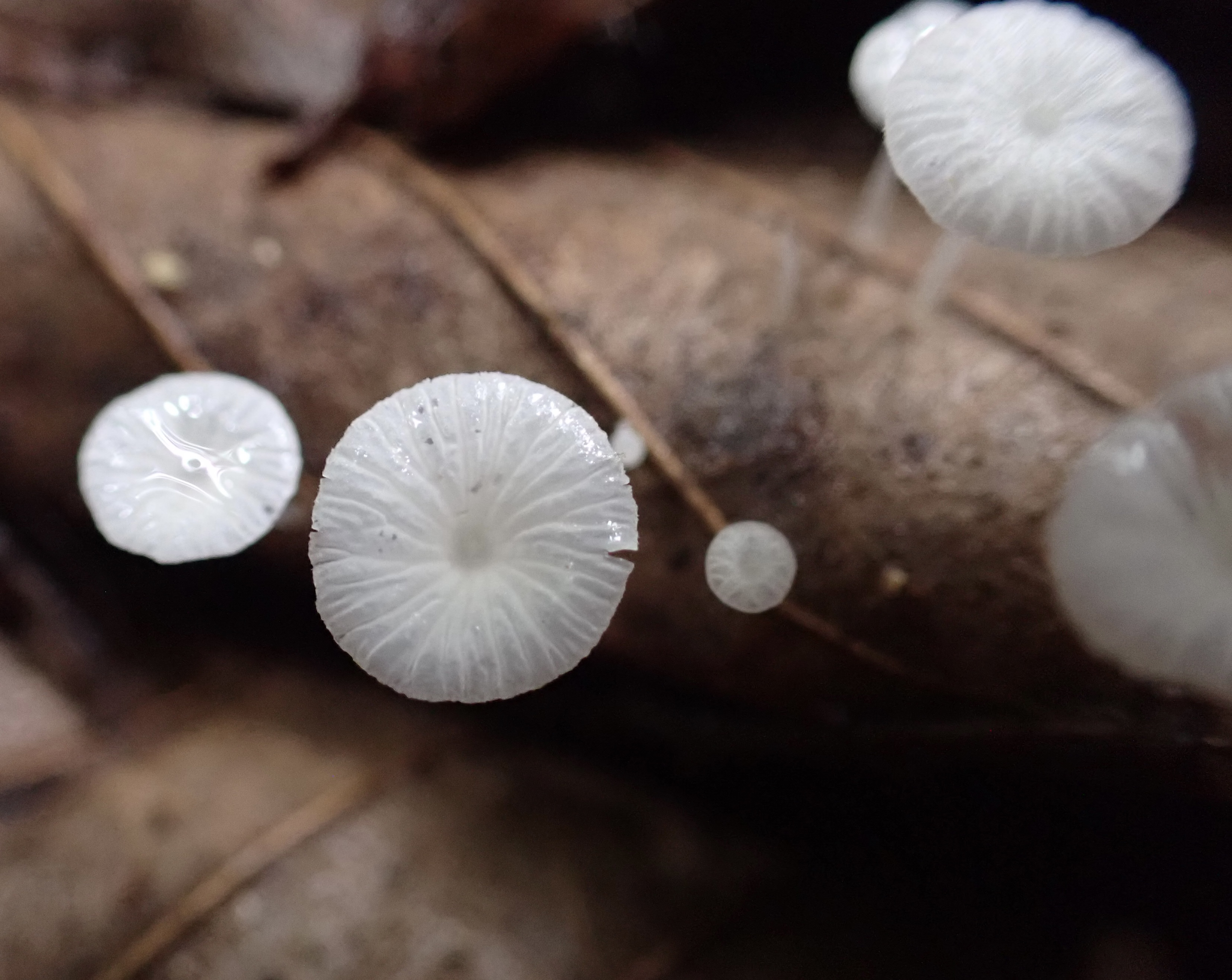
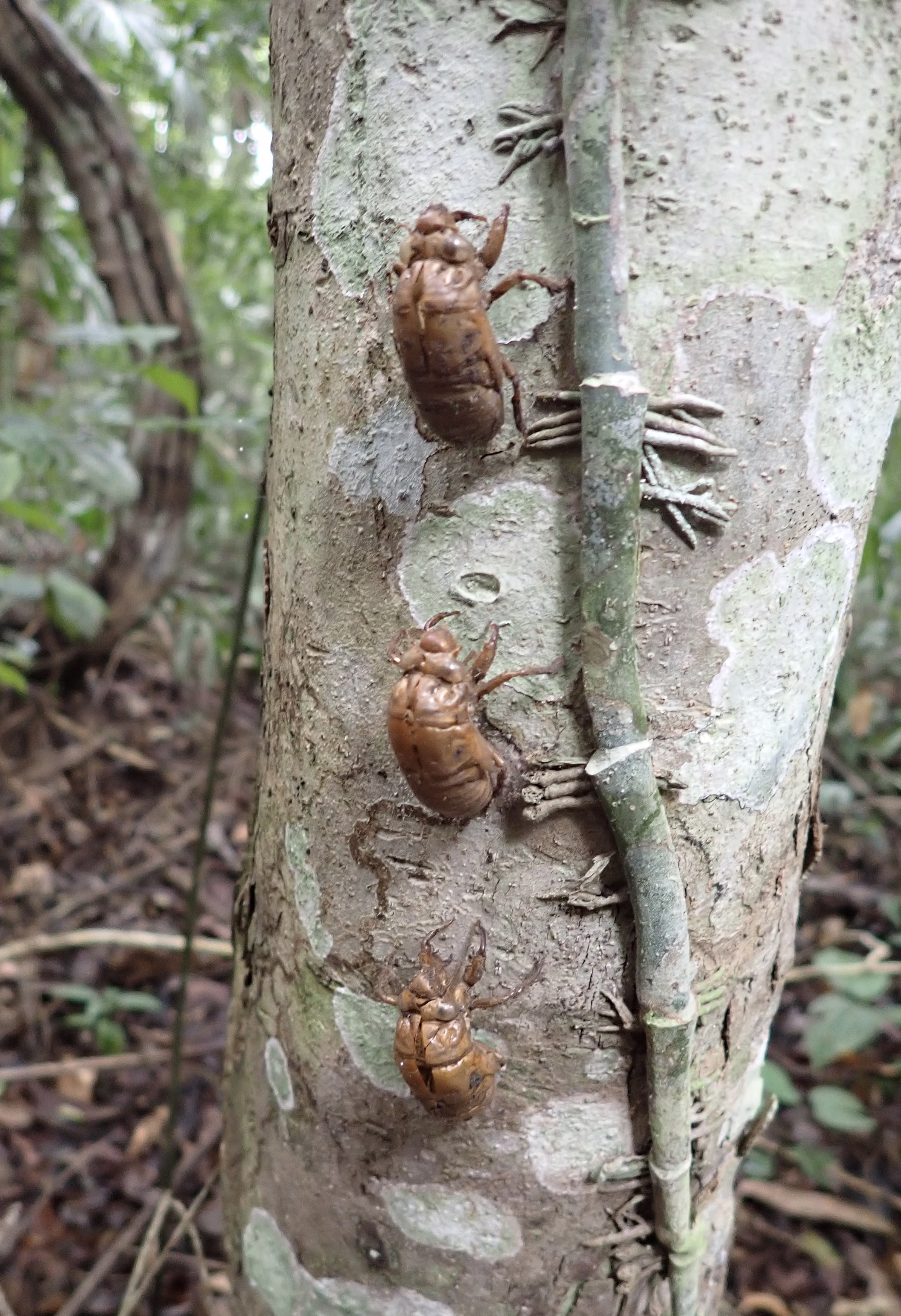
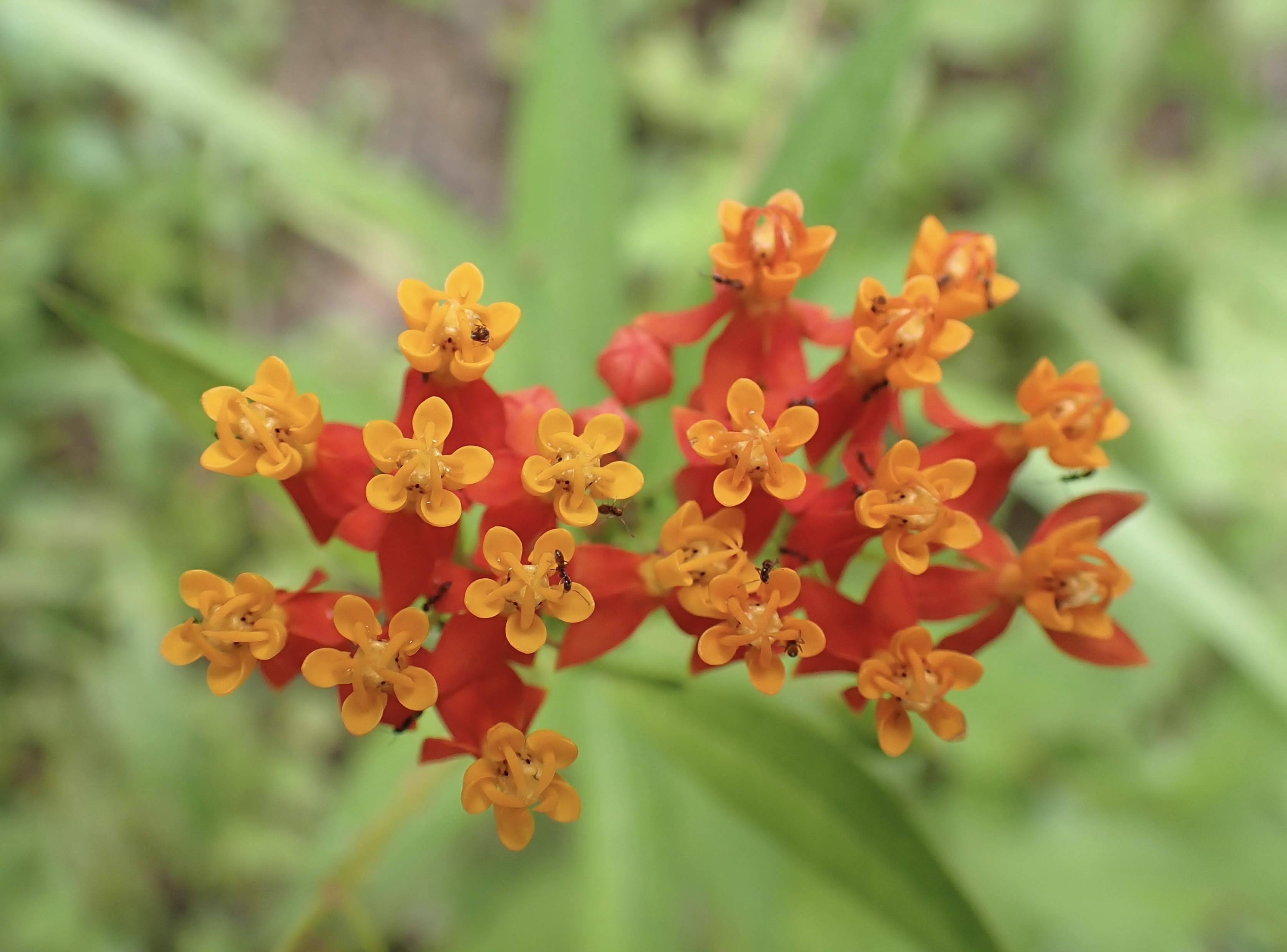
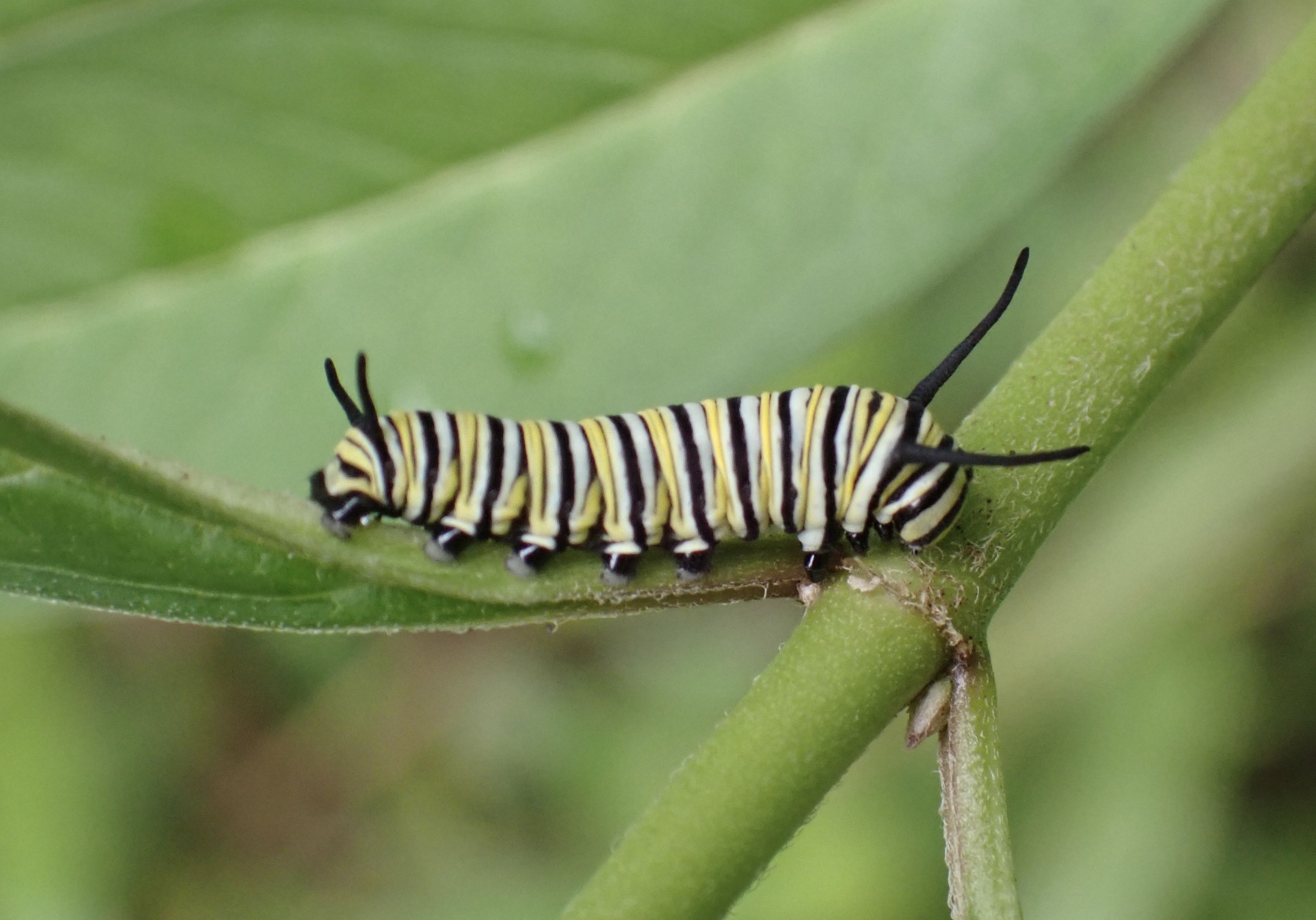
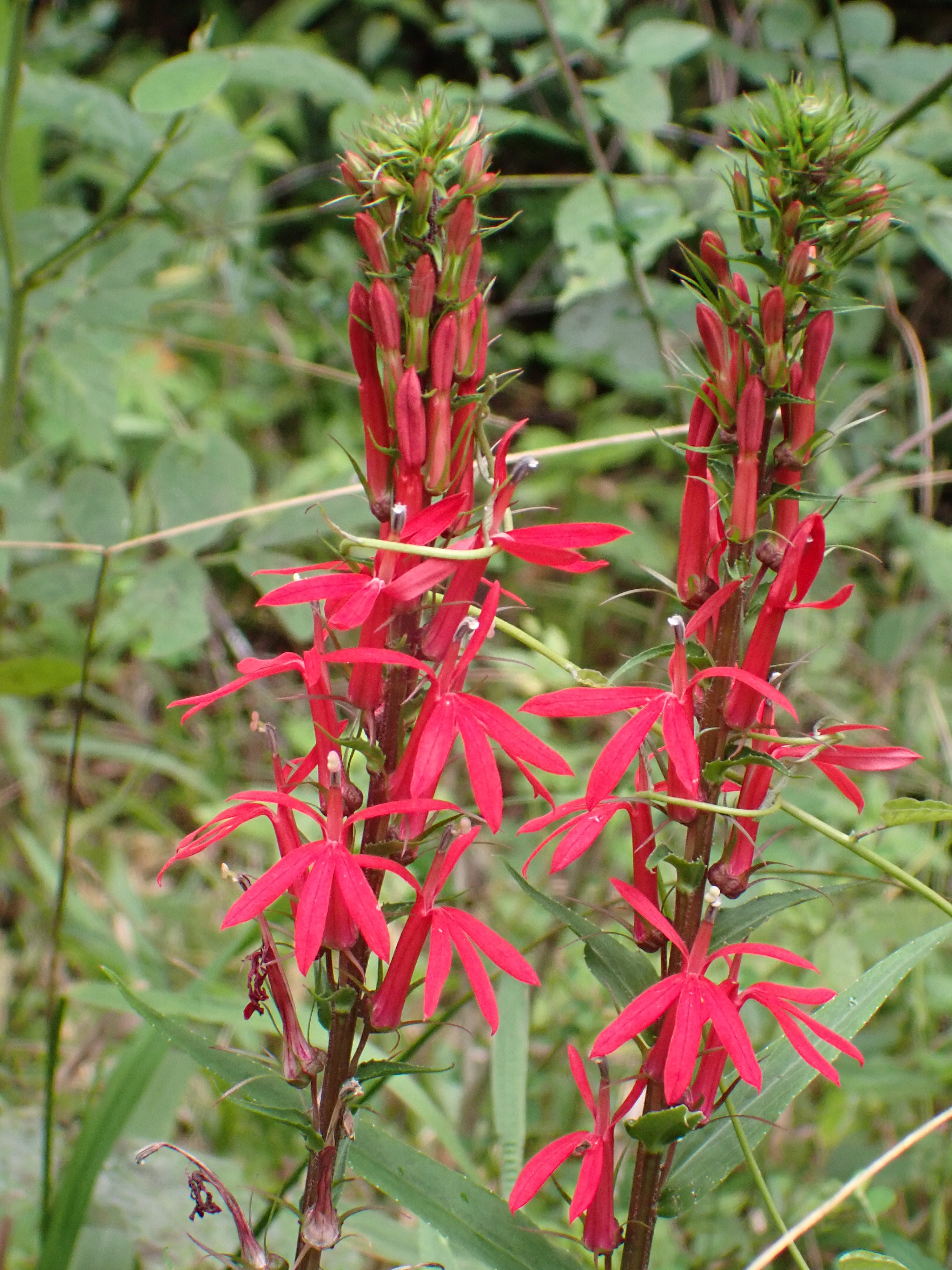
The students were so enthusiastic that some of us got left behind and took a wrong turning…. As a result we also got to see a pair of courting Scorpions, a Giant Helicopter damselfly, a Monarch butterfly caterpillar on its host plant, Milkweed, and a humming bird feeding on the Lobelia by the roadside. Nonetheless, we were pretty hot and bothered by the time we got back, half an hour late for lunch.
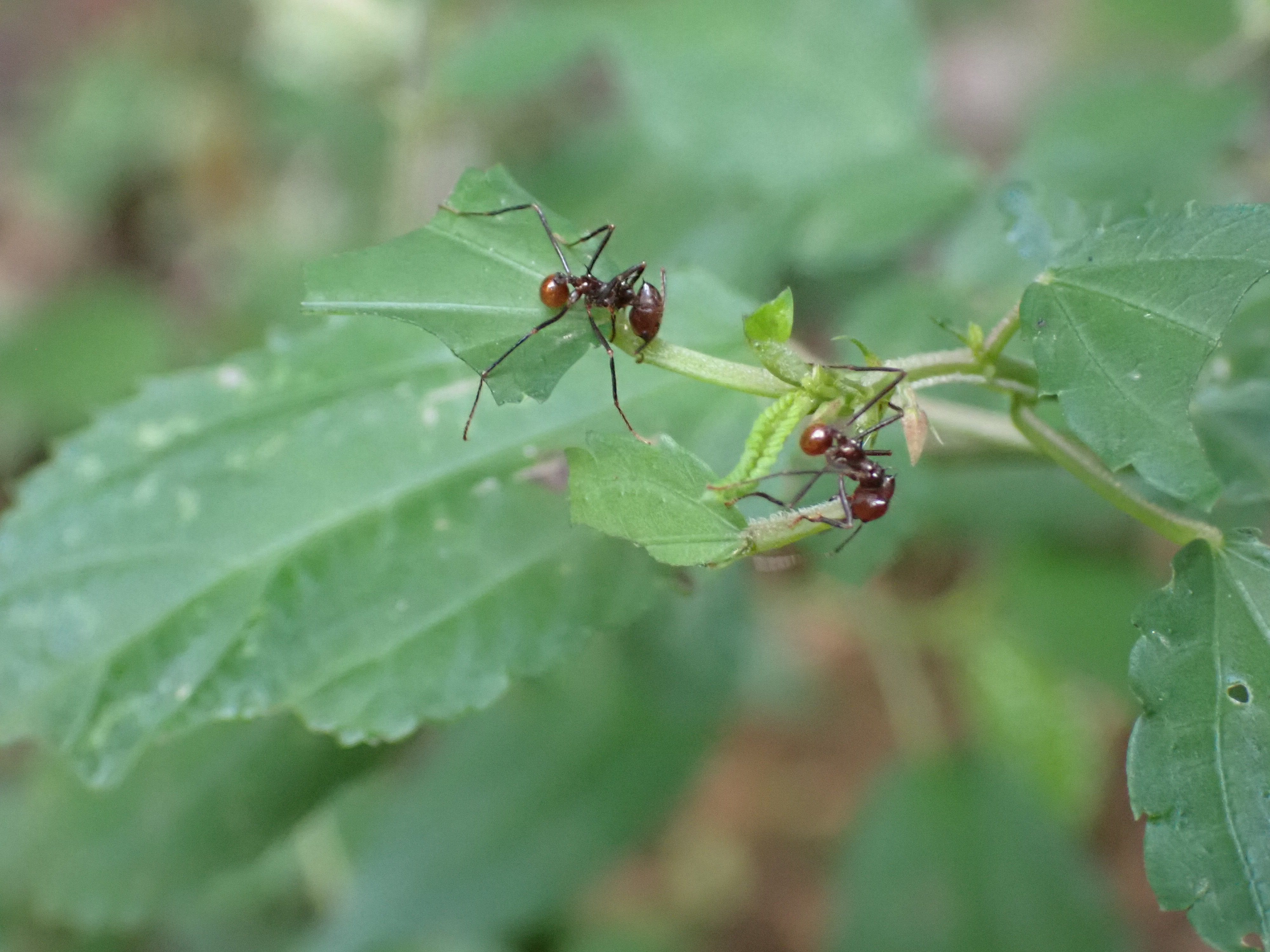
The students spent the afternoon pootering and sweep netting, both in the grassland around the station and on the road verge, and we were lucky enough to spot a small group of Leaf cutter ants at work. We watched them climb up a small shrub, cut out pieces of leaf bigger than themselves, then carry them down the plant and onto a small trail. We did a bit of straightforward data analysis comparing both the sample methodology and the habitats then, after dinner, I set out the light trap again.
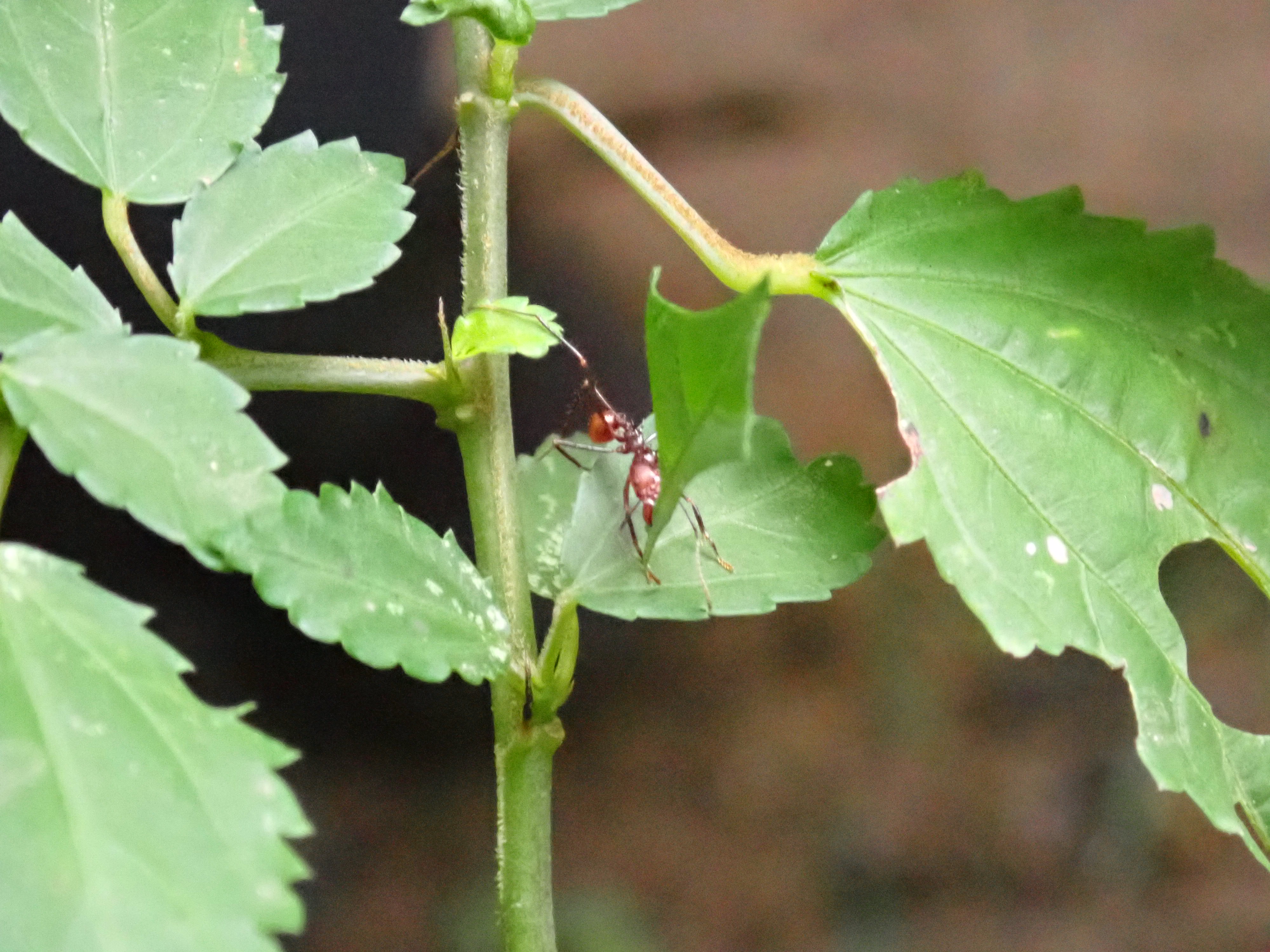
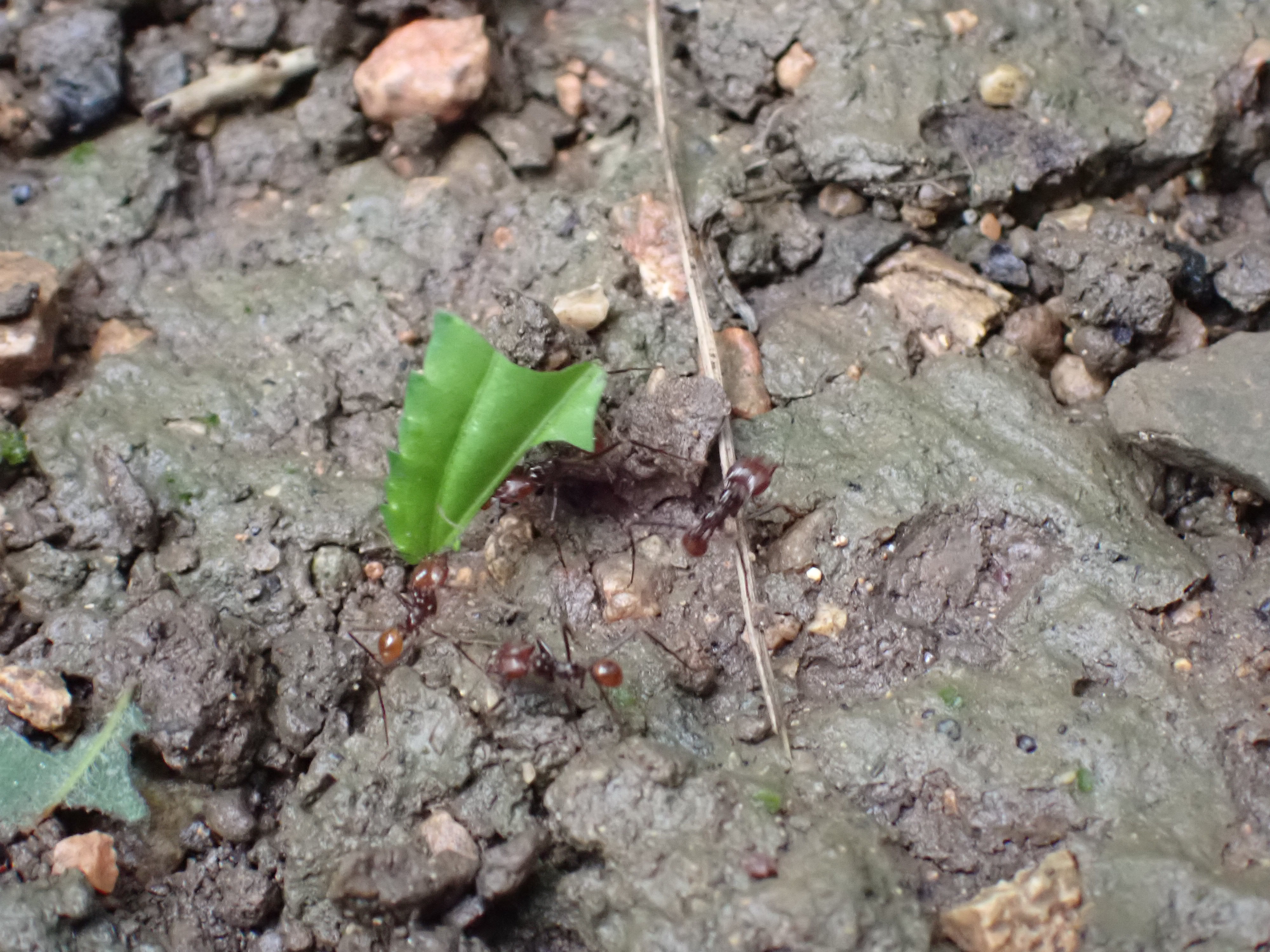
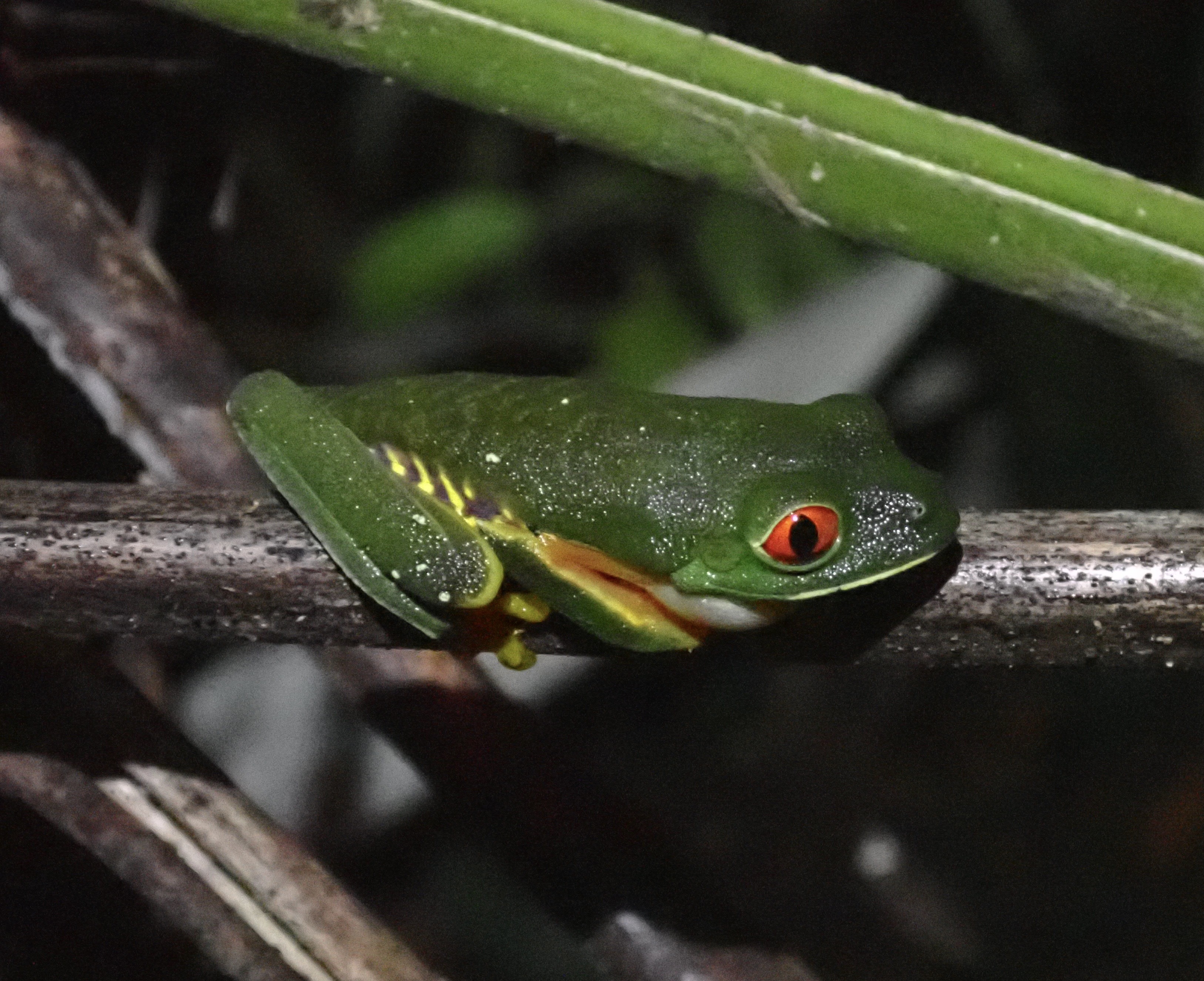
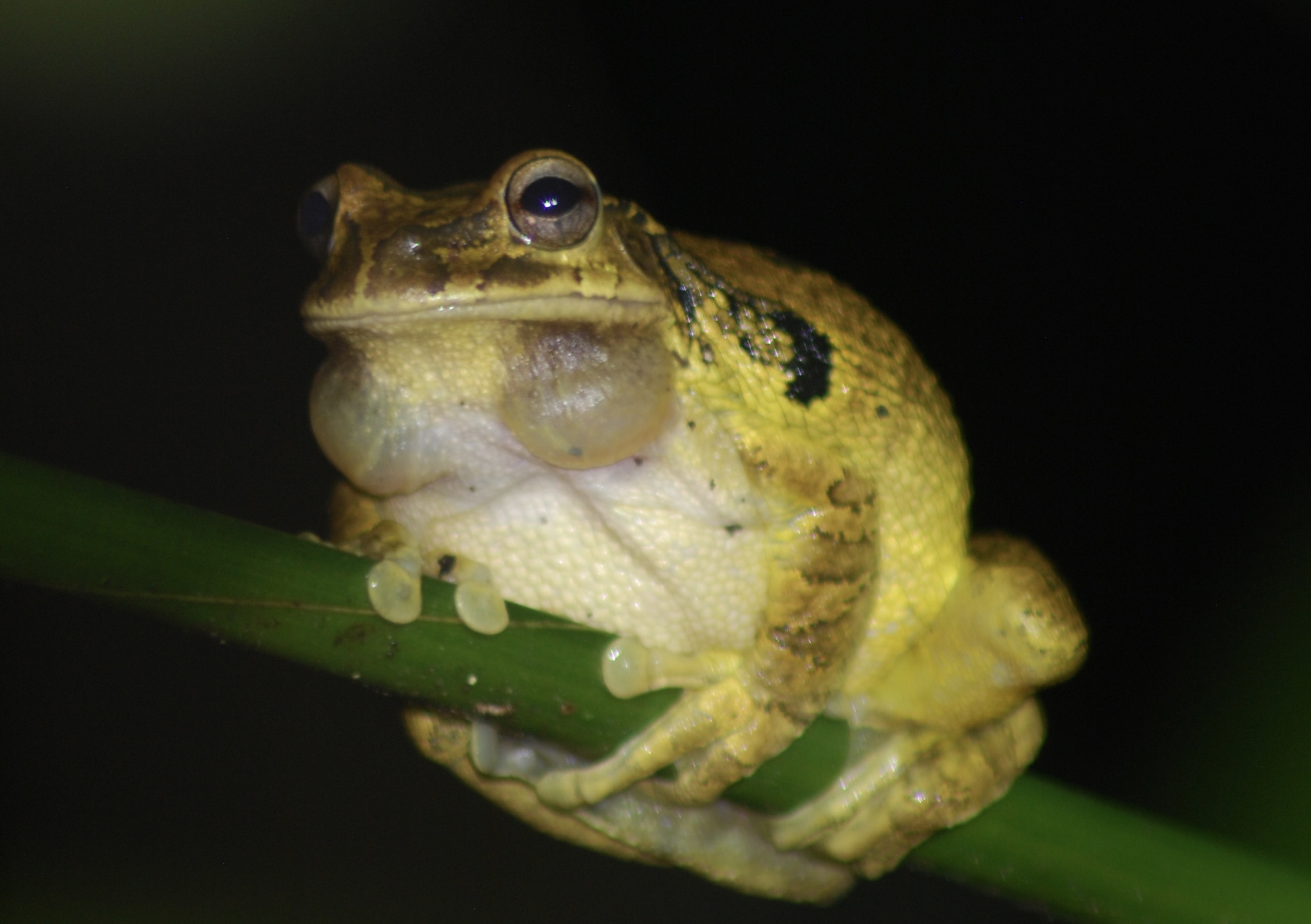
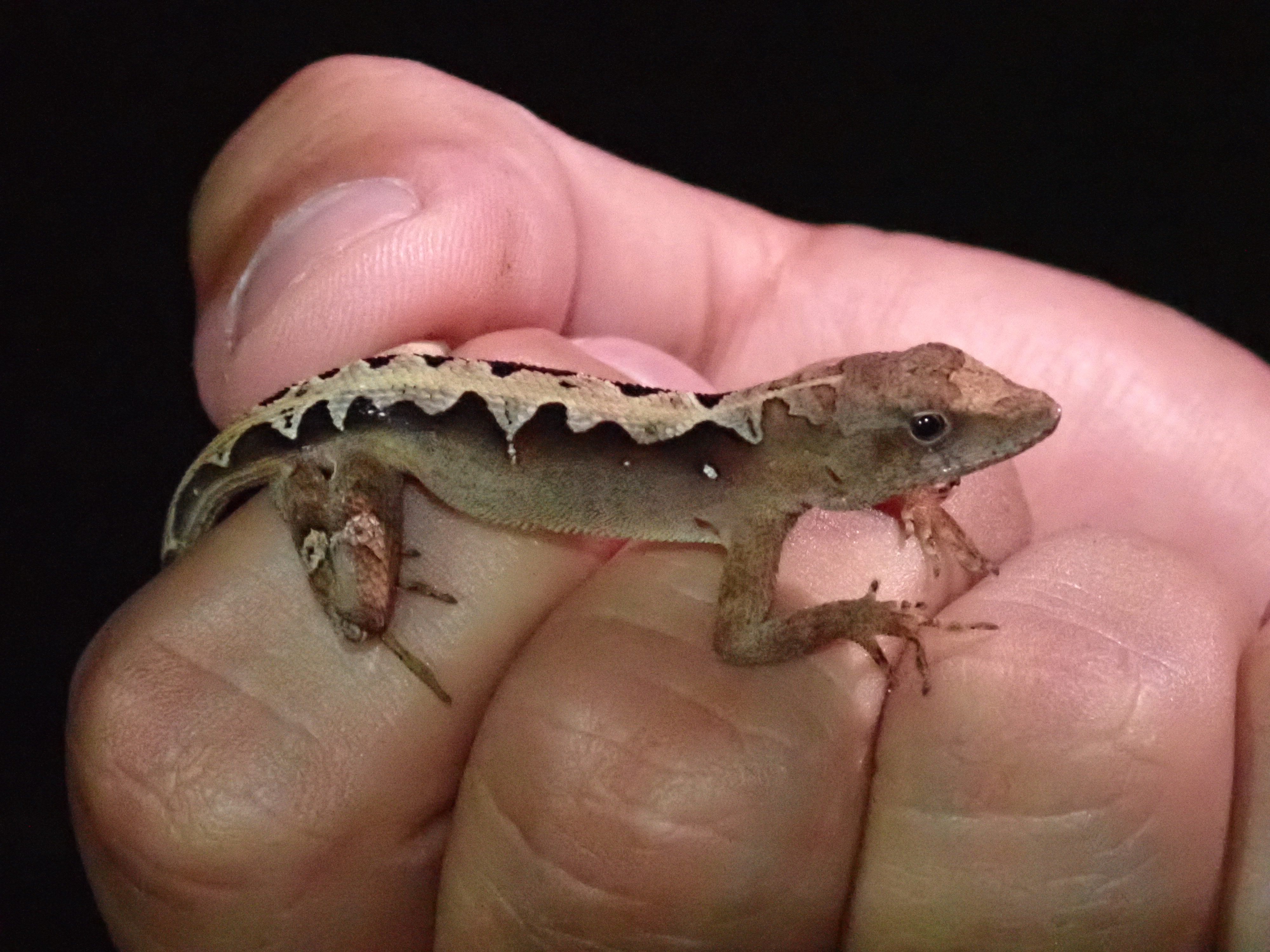
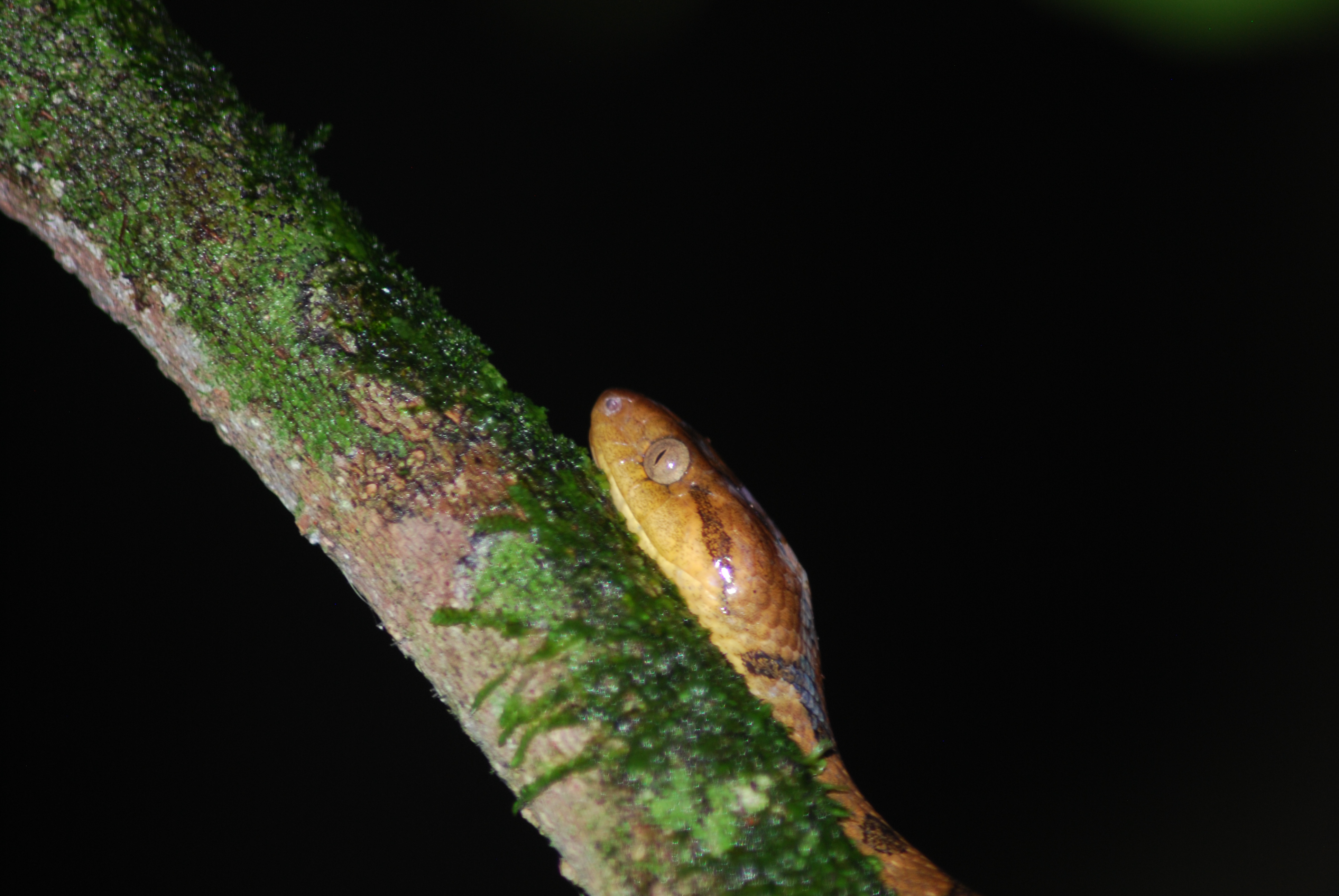
A Mexican herpetologist and his wife are visiting Las Cuevas and Pedro took a small group of us out on a night hike later in the evening. We were lucky enough to see Morelet’s, Mexican and Red-eyed tree frogs, a Cat-eye snake eating frogspawn laid on the trees around the pond, lizards including a Smooth helmeted iguana and another Gulf coast toad – it makes such a difference going with someone who really knows where to look!
 heatherkellyblog - travel with me and wonder at what you see!
[…] that we can currently name in the UK. Our task, however, pales into insignificance beside the situation Heather describes for Belize, where only 20% of insects have been named so far, so perhaps diatomists are not in such a dire […]
Landsnail looks like species Orthalicus princeps (Broderip 1833), which was recorded in Belize in paper “Rapid ecological assessment of land snails (Gastropoda) across adisturbance continuum in a southern Belize lowland rainforest”