It’s rather late for a review of 2025 but, amidst all the worries about war in Gaza and Ukraine, famine in Sudan, what’s going on in America and a constantly heating world, it still feels worth reflecting on and celebrating the good things the year brought.
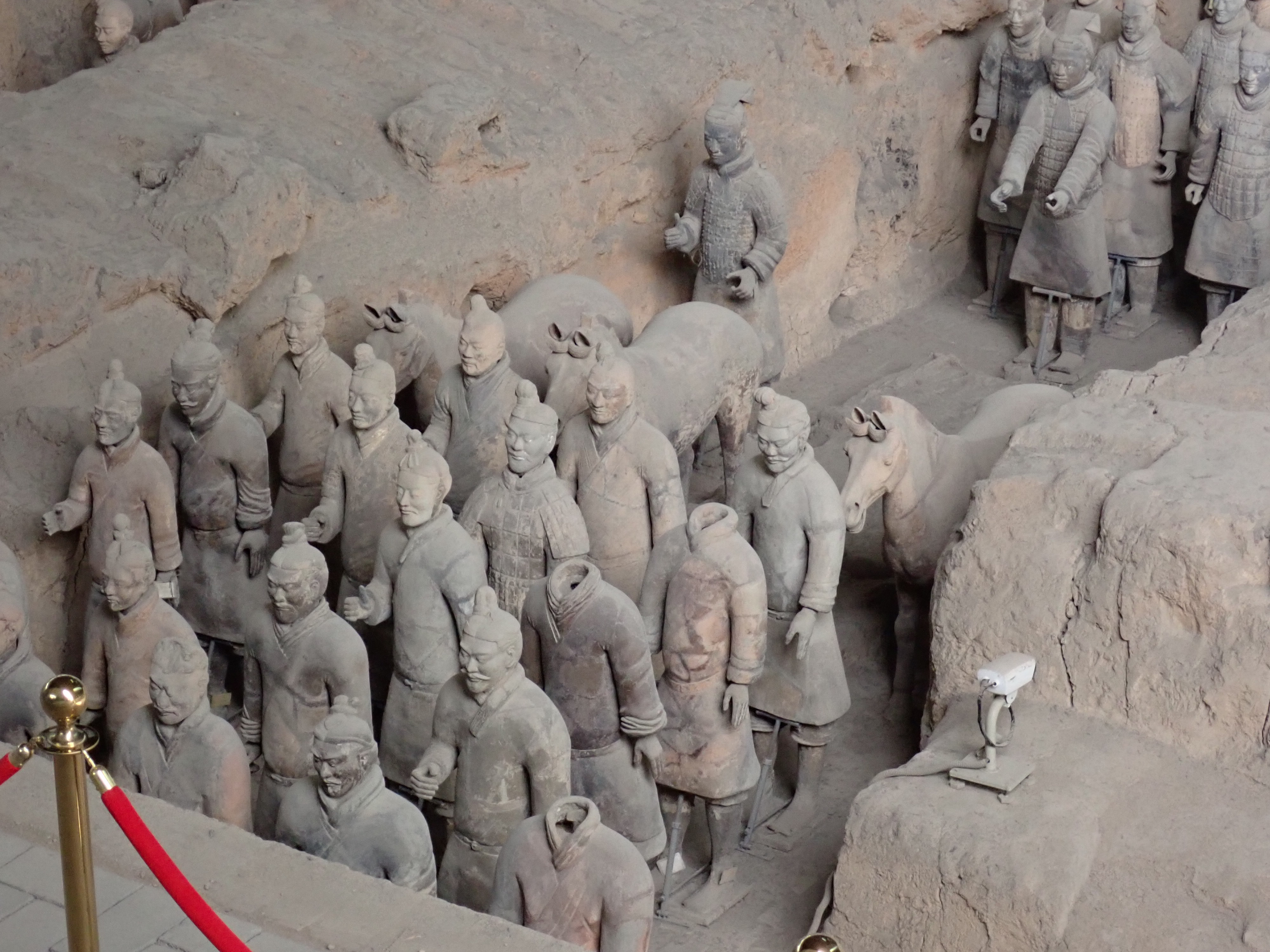
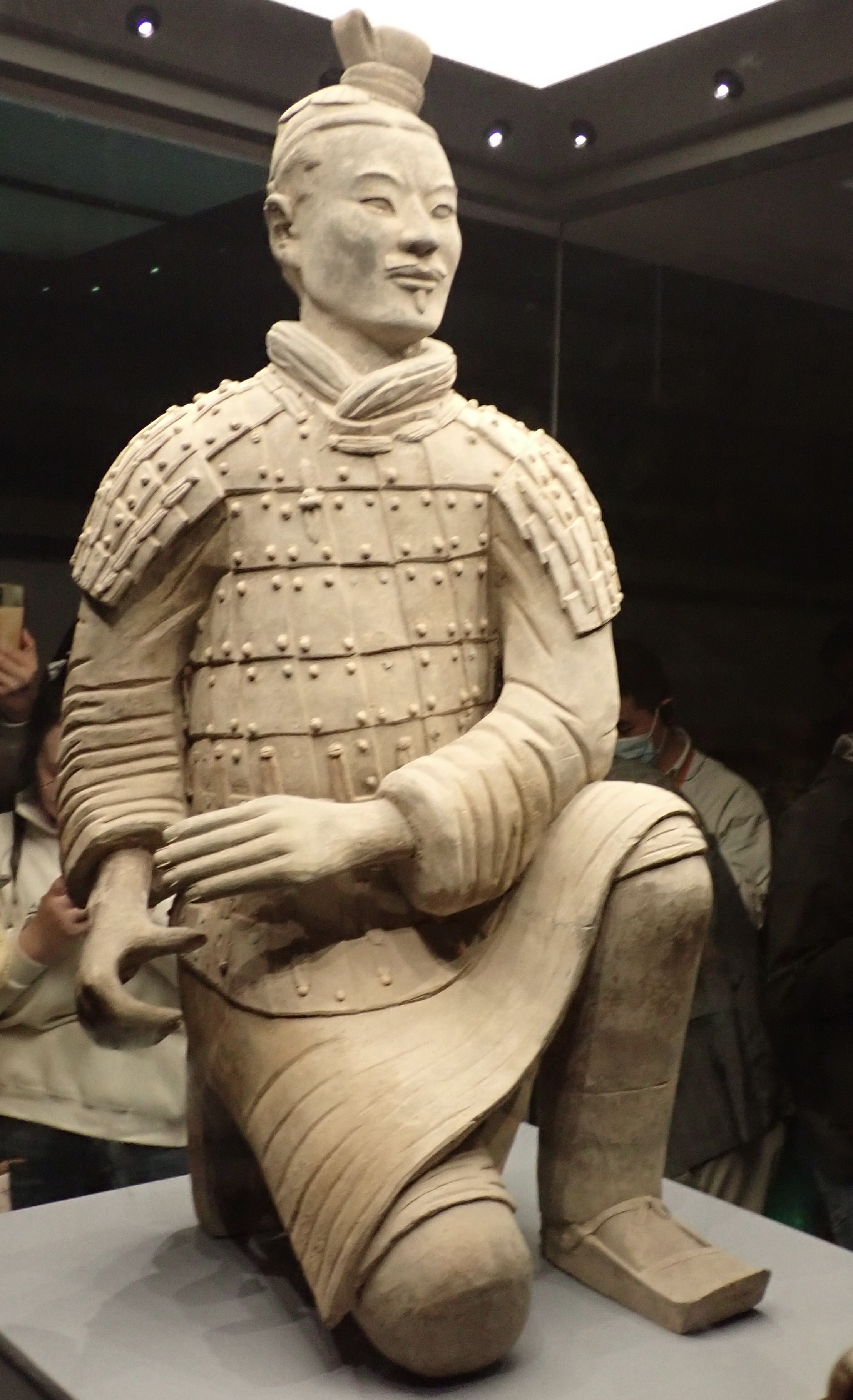
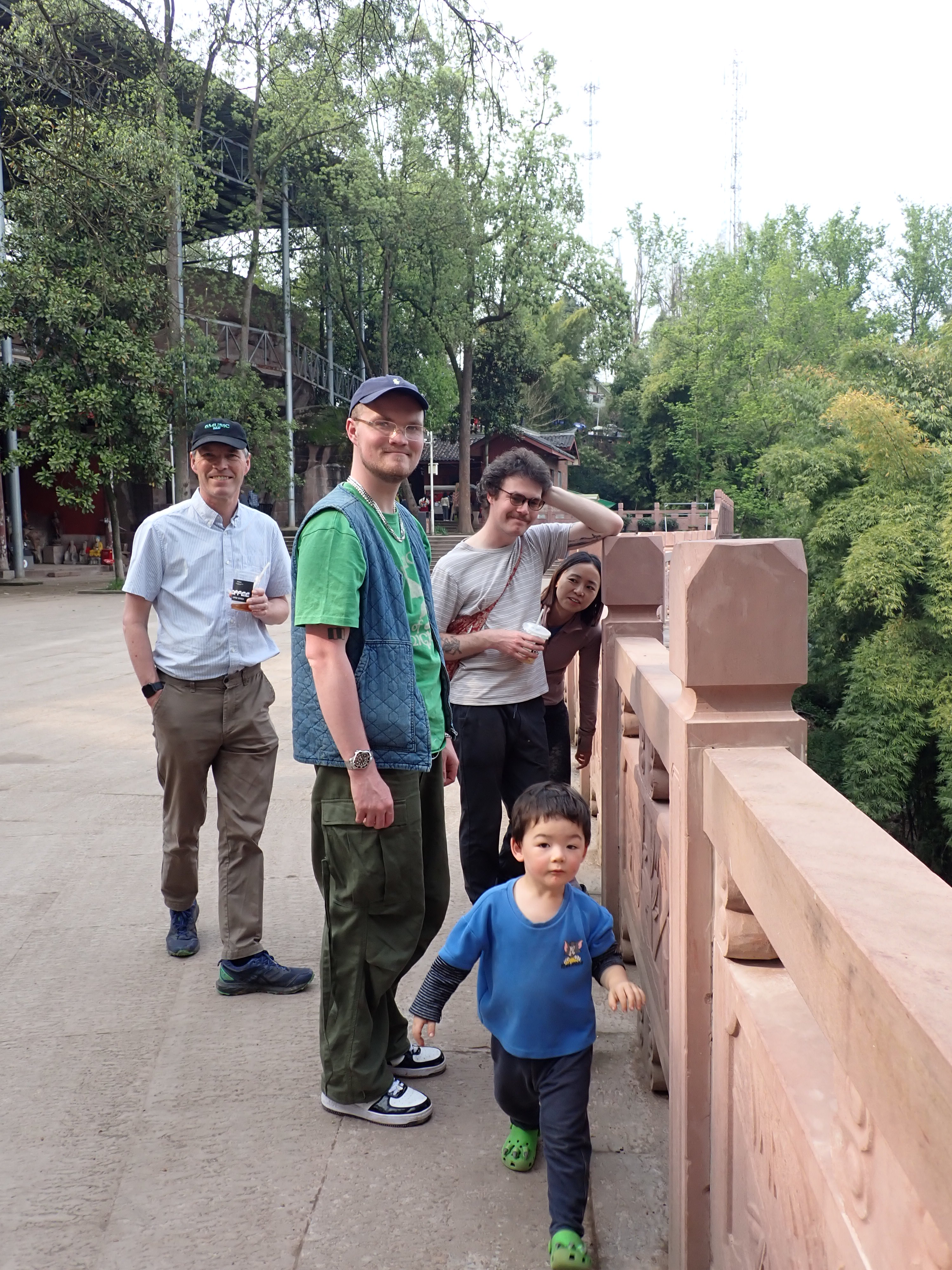
Lots of time with family has been a real blessing – both with our children and with my parents and siblings. Our now-regular Easter trip to Chengdu was as much fun as ever, with Casper a very chatty toddler who delights in winding up his Uncle Harry almost as much as Harry enjoys winding him up; “I’m a big boy, Harry is a little boy.” A weekend in An’yue with Kate’s parents and a visit to her parents’ family homes for the Tomb Sweeping festival (Ching Ming) was one highlight but a trip to Xi’an to see the Terracotta Army in all its glory stole the show, if not necessarily for the expected reason. The warriors are spectacular, but the crowds (and accompanying noise levels) are unreal and we all struggled a bit with that. As we recovered outside, Ed and Kate revealed that our second grandchild was on its way!
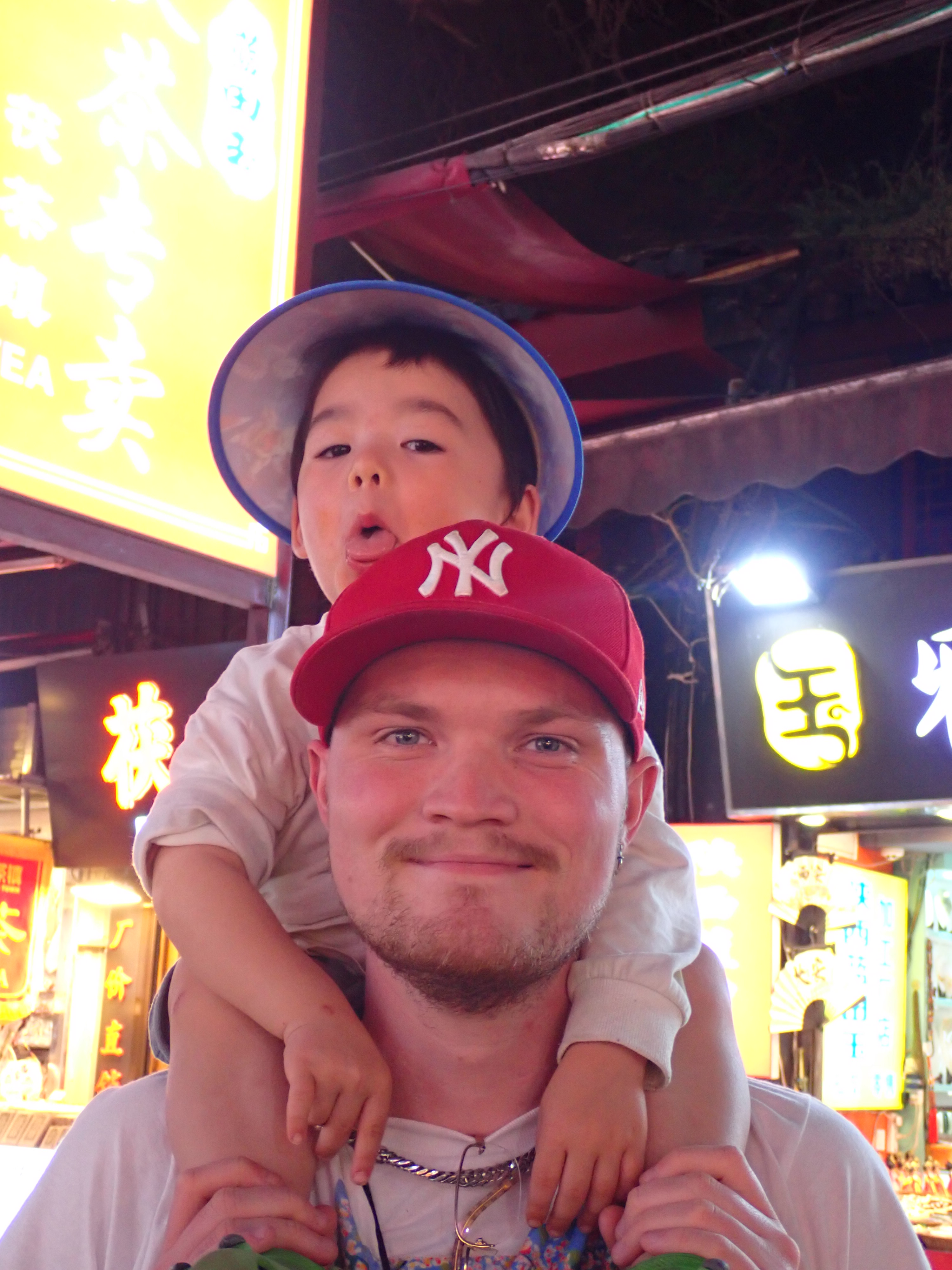
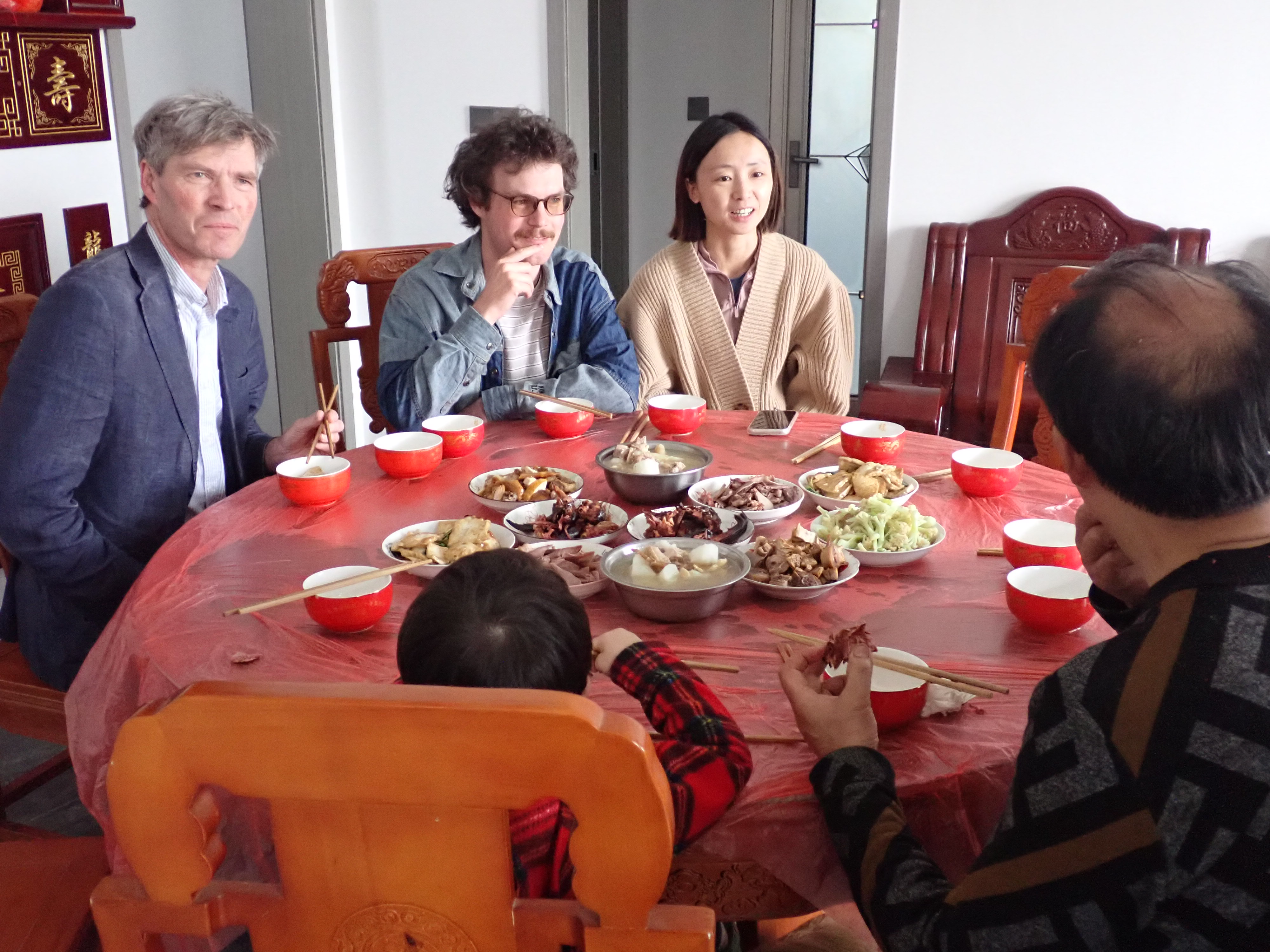
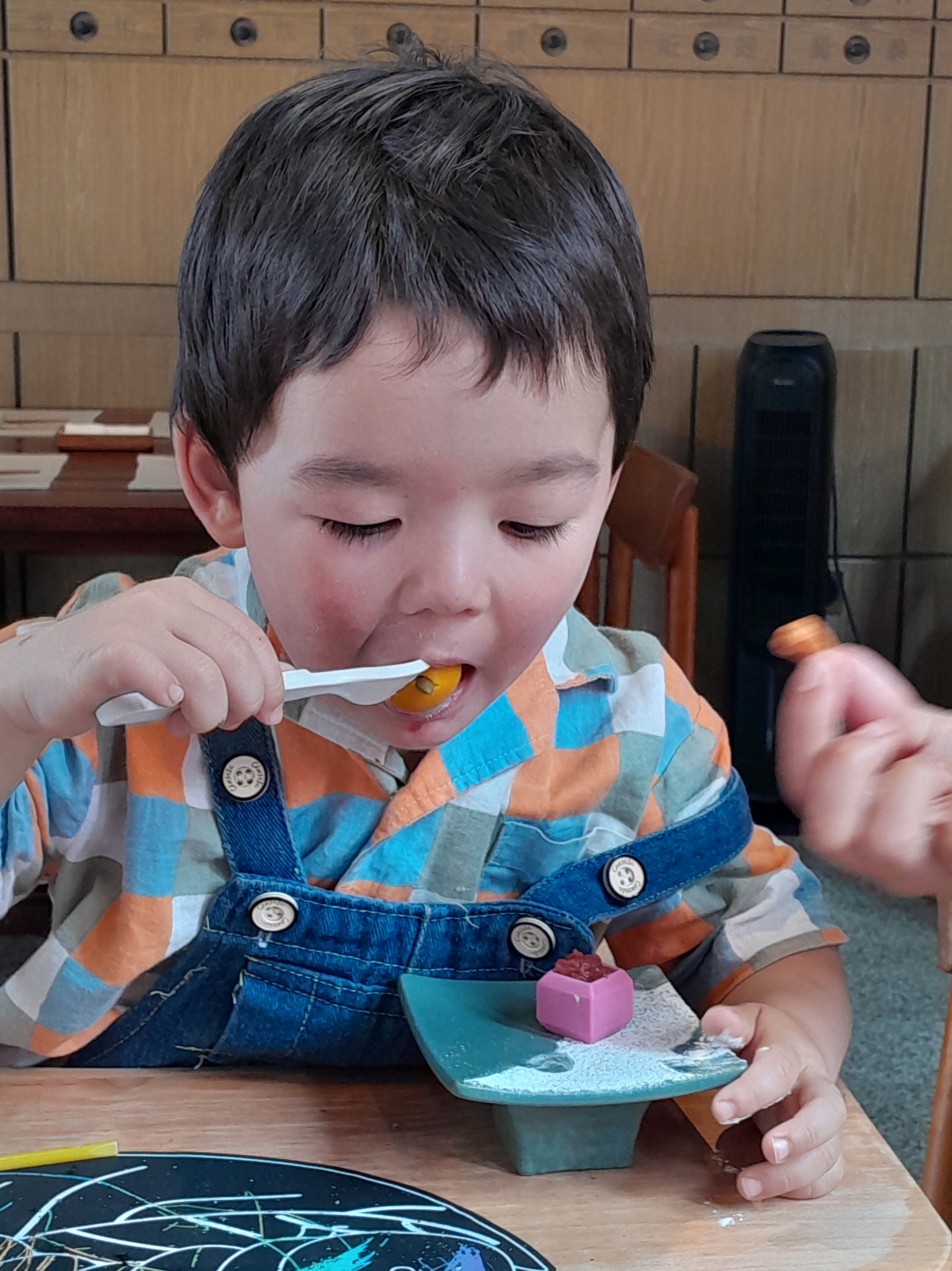
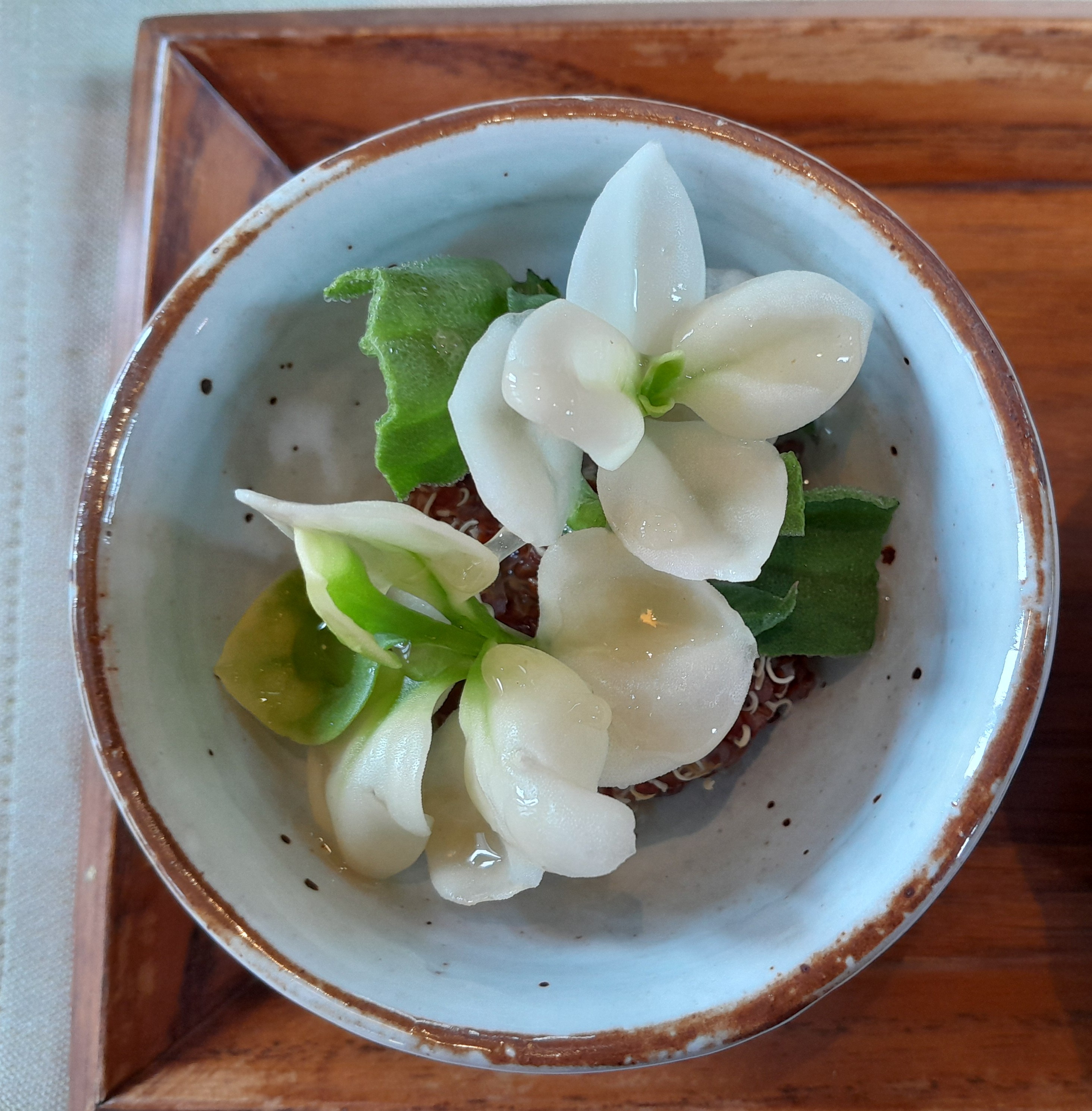
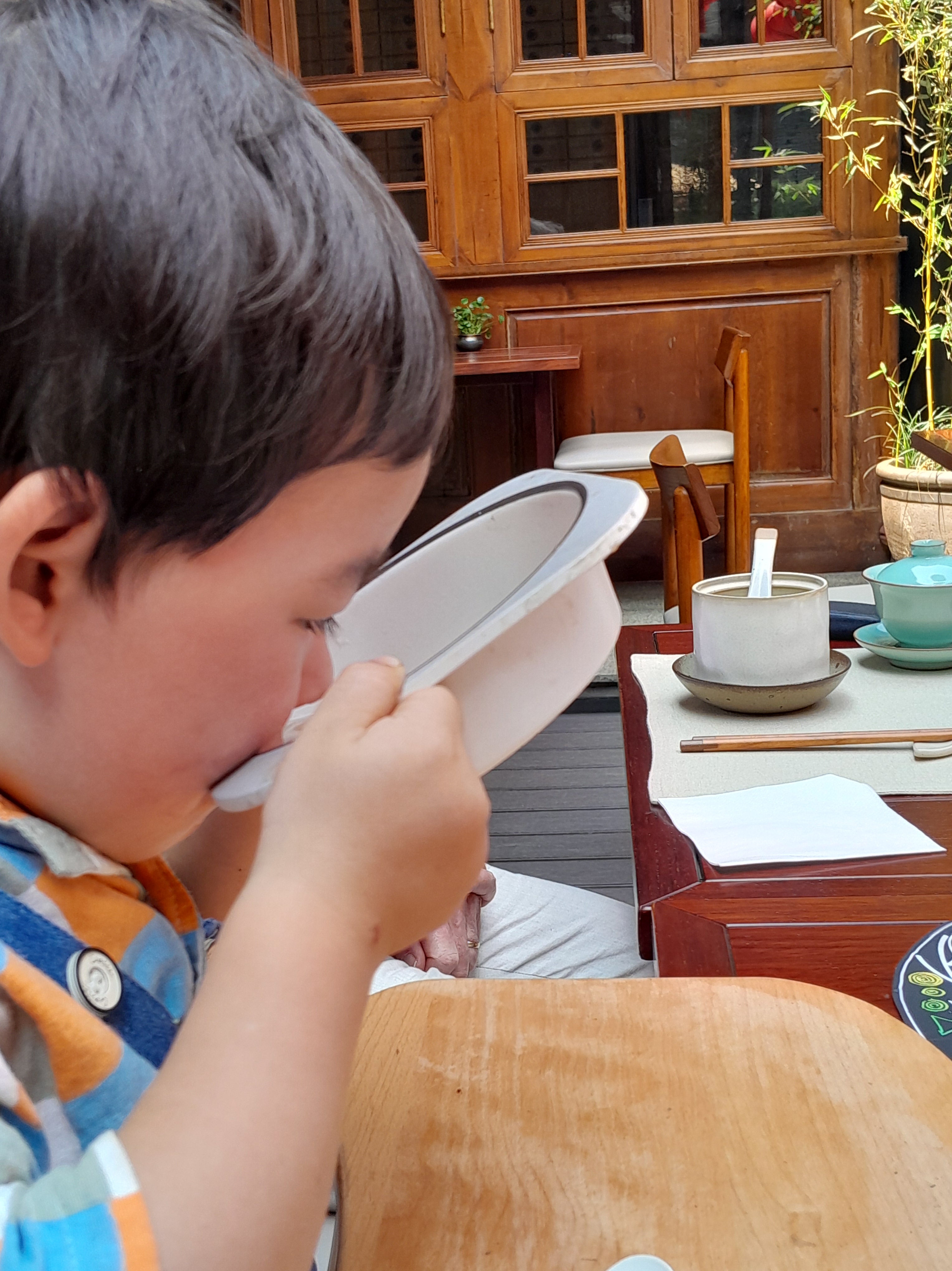
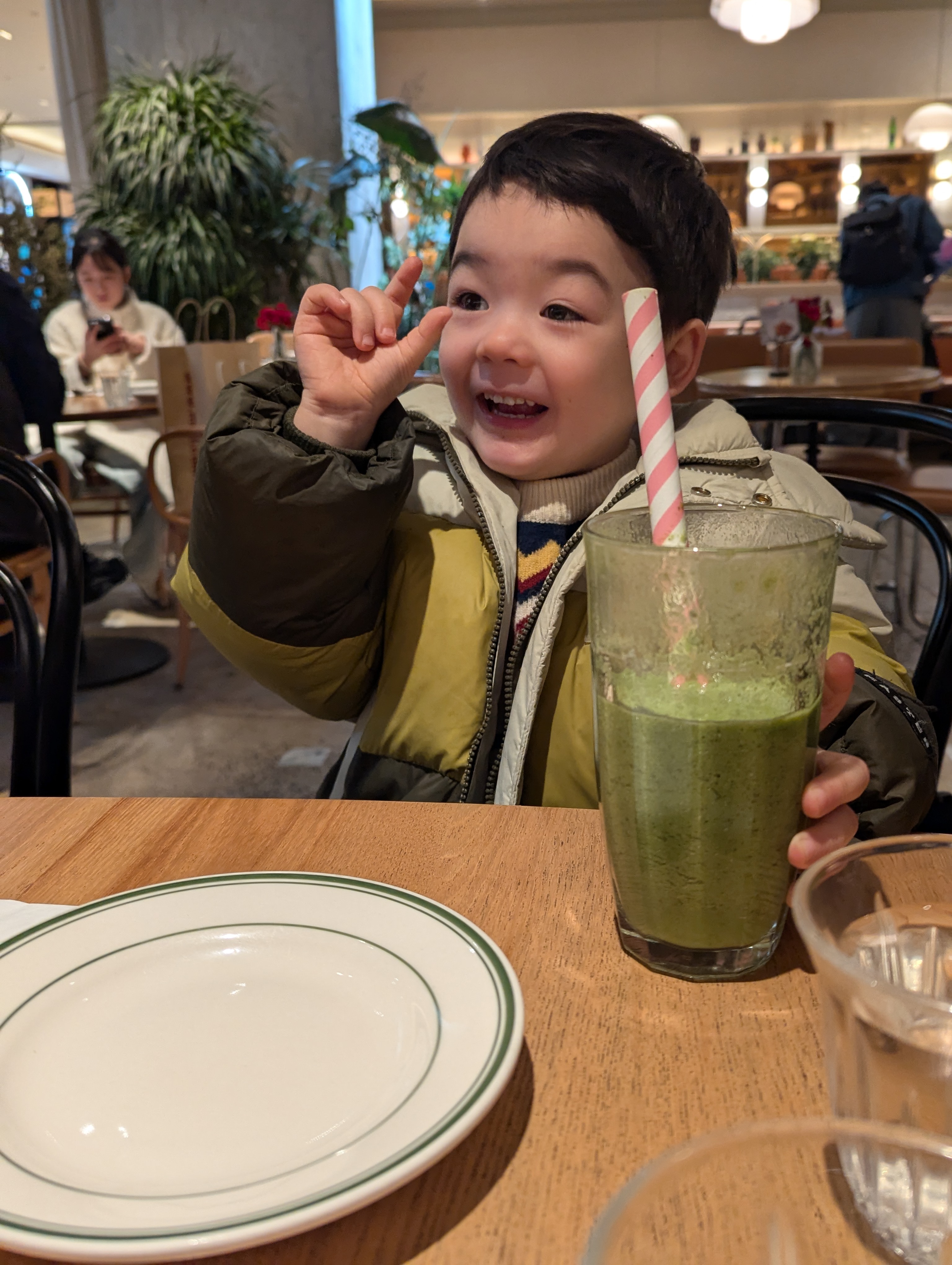
My Mother’s Day present from Harry this year was amazing – he’d discovered that Chengu sports a Michelin-starred vegan restaurant, Mi Xun Teahouse. The food was delicious and beautifully presented but the atmosphere relaxed at lunchtime. I’d never imagined taking a two year old to a Michelin restaurant but Casper did us proud, sharing a taste of everyone’s food, or all of it, in the case of Kate’s amuse bouche cakes!
Work has had plenty of good moments too. In early February I organized a celebration of Chinese New Year to kick off Race Equality Week in our department. A group of enthusiastic students put up decorations and helped shop for snacks and demonstrated calligraphy and traditional knotwork for their fellow students and staff. We were hampered by the Biosciences atrium being out of use because of storm damage to the roof but the students clearly enjoyed being ‘seen’ and we have bigger and better plans for this year. I also have a new role in the department as theme lead for plant teaching, which has led to some interesting conversations about how we can make plants appeal to a wider range of students.
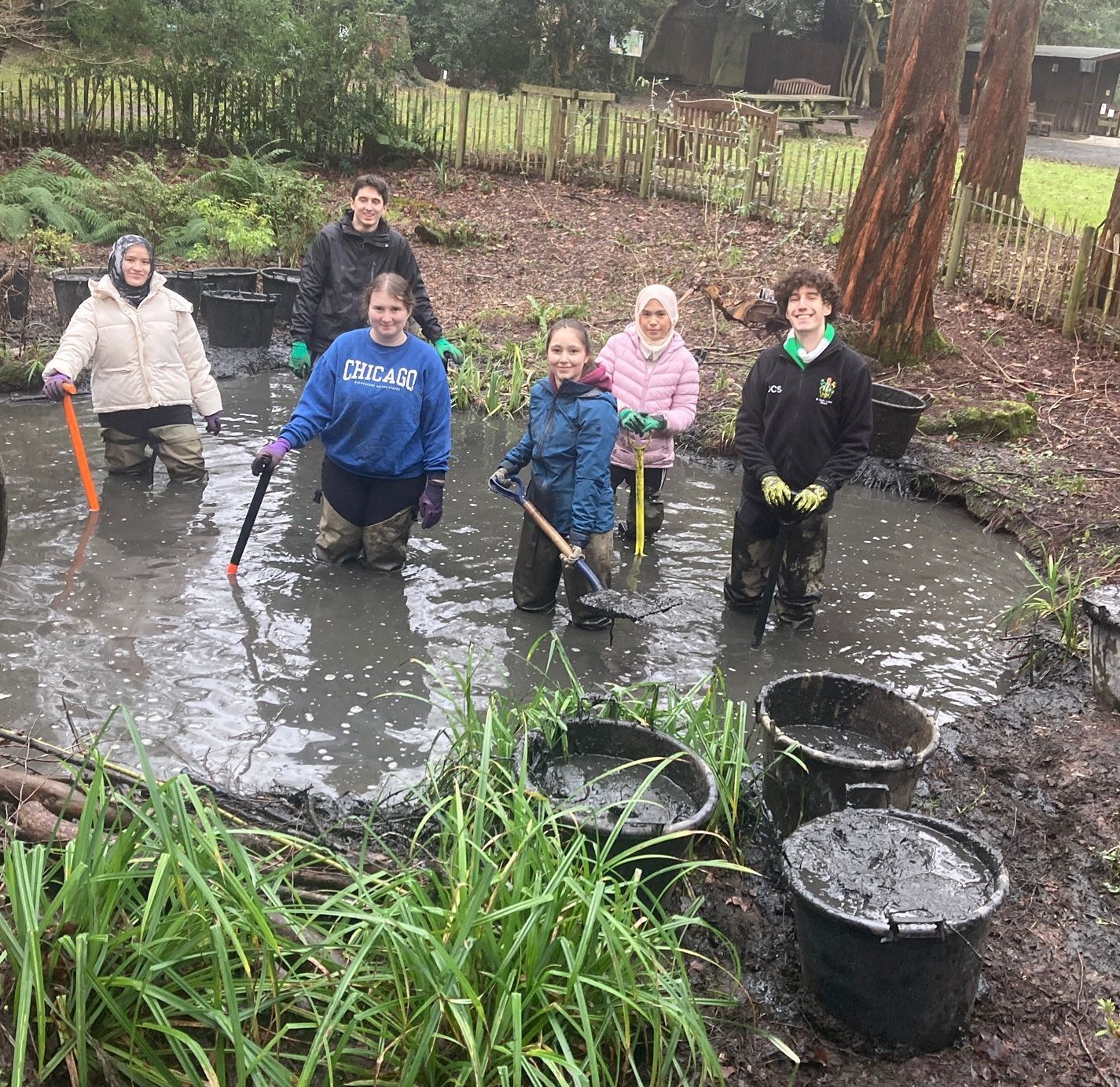
The Student Friends of the Botanic Gardens group, which I oversee, was a little sluggish in the first part of the year but I was delighted to get ten or so students turn up for a Saturday of plants ID with Sue and me in early May. Several of those students have since gone on to do plant-related Masters courses. I was even more astonished when, at the start of this academic year, around 60 new students turned up to our first meeting. Since then the group has gone from strength to strength with Yuka, a very pro-active student coordinator, managing to organize weekly gardening sessions for groups of 10-15 students. They have tackled jobs as diverse as planting yellow rattle seeds in the wildflower meadow and hundreds of daffodil bulbs for the Marie Curie Field of Hope, to designing more signage, weeding and digging bucketfuls of sludge out of the wetland area ponds. We also had an excellent fungal foray around the grounds, led by my colleague Rebecca.
This year, a couple of sessions on plants and what they need to grow for children in The Grove primary school in Consett made a fun addition to my regular science outreach activities. The school serves an area with a lot of deprivation, but I was so impressed by what they are doing and in absolute awe of the teachers, dealing with a lot of children with additional needs. The school is an OPAL (Outdoor Play and Learning) school which means their large school field is filled with a huge range of play equipment but also includes quiet spaces with a sensory focus or where children can curl up with a book. Something for everyone, whatever their mood.
I also trained, and was licensed as, a Children’s Minister in the Anglican church in the course of the year – in some ways just confirmation of something I’ve been doing for years, but it was great to share ideas with others and find out about new resources and approaches. The other very positive result of that was acquiring a spiritual accompanier, which I have found an incredibly valuable experience. Making time for reflection has never been my strong suit – I’m a doer not a deep thinker – and being gently encouraged to stop and give myself permission to be still is very good for me, though I fear progress is slow! We took the teenagers from church away for a weekend in Allendale and one of the biggest surprises was how much they enjoyed being outdoors in nature, particularly on an impromptu walk along the River Tees after a wet morning in the minibus. That has led to us including more outdoor activities as part of our regular meetings and will certainly help as we plan this year’s trip. I don’t know why I am still surprised that nature connection benefits everyone!
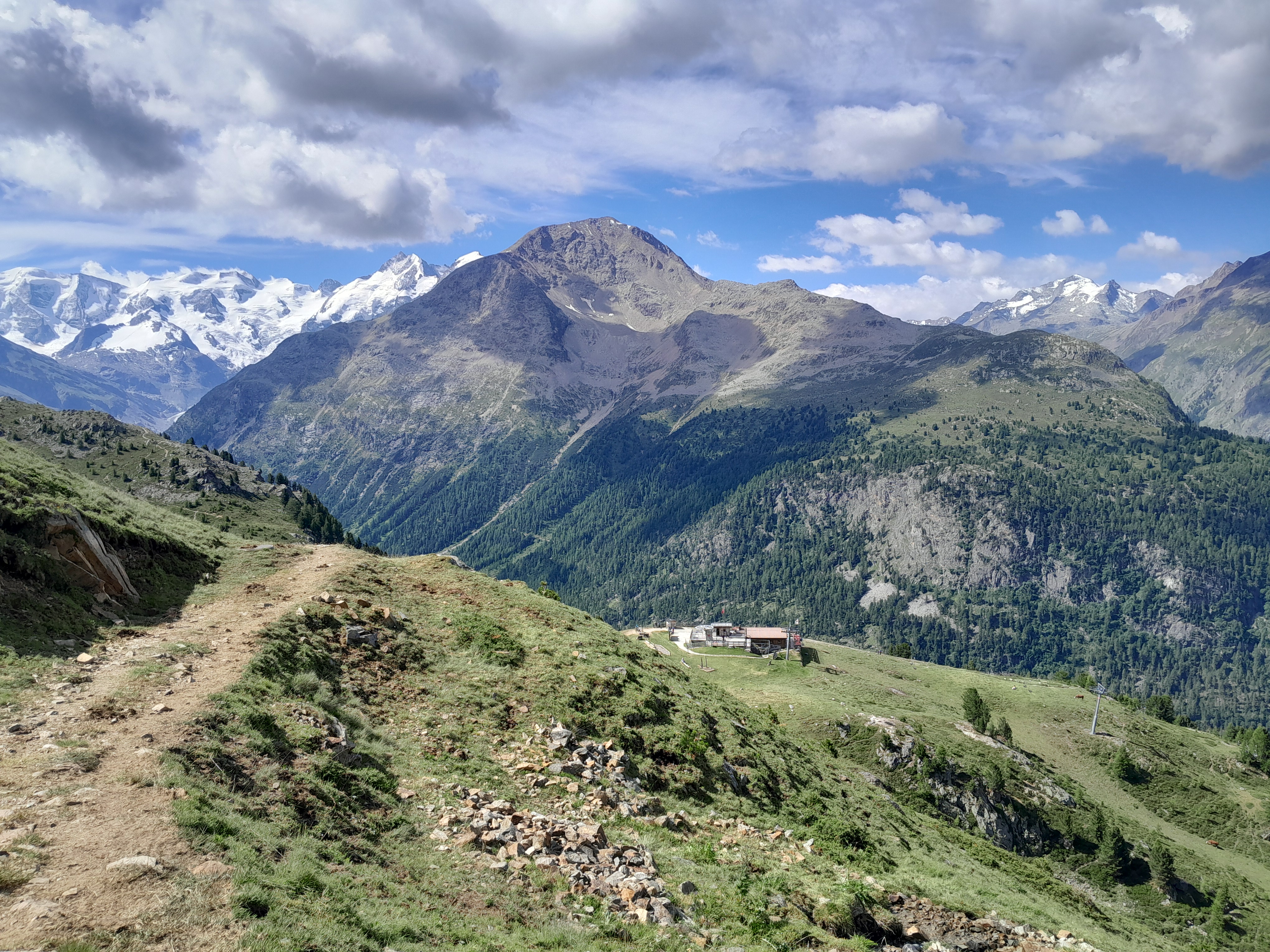
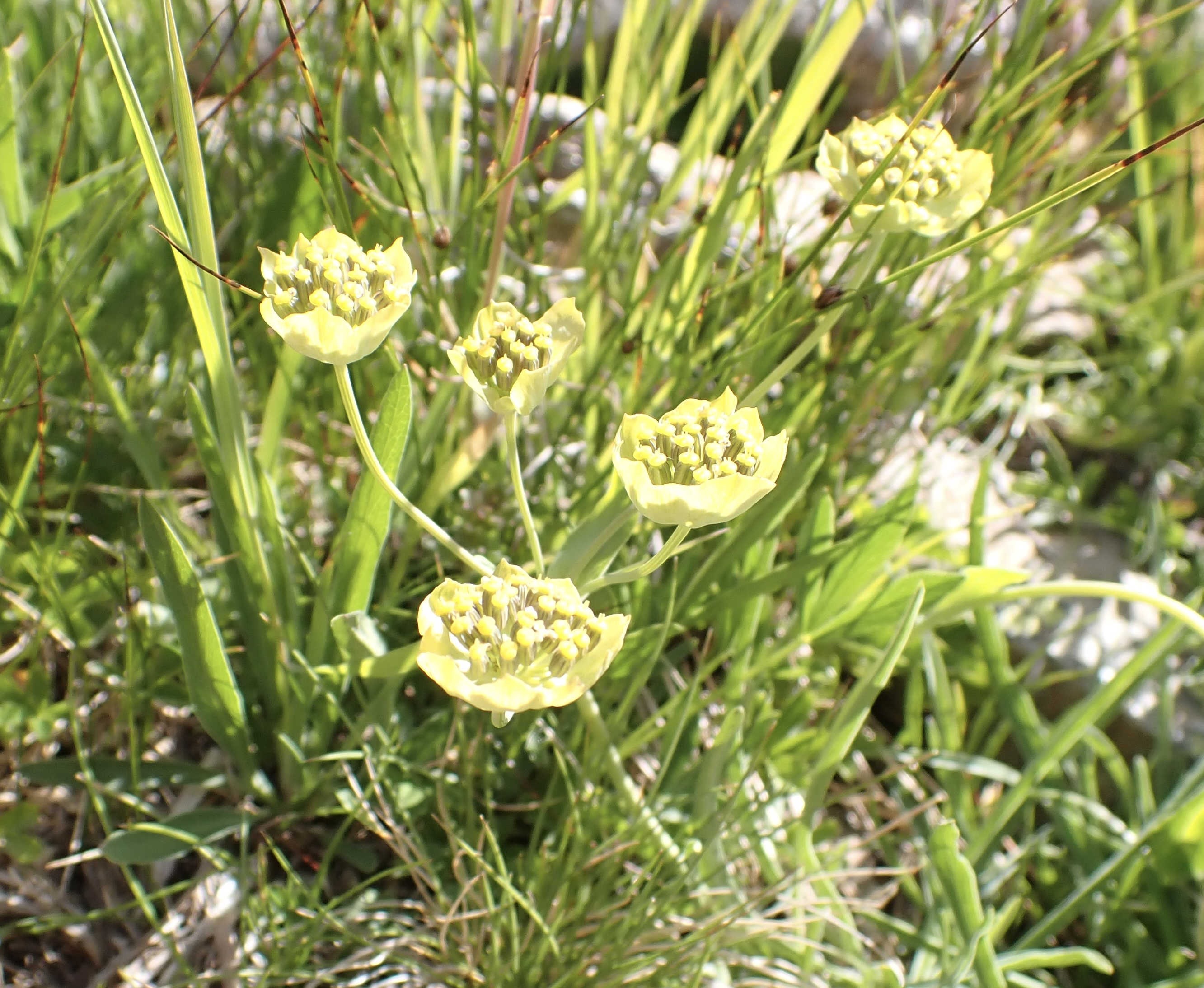
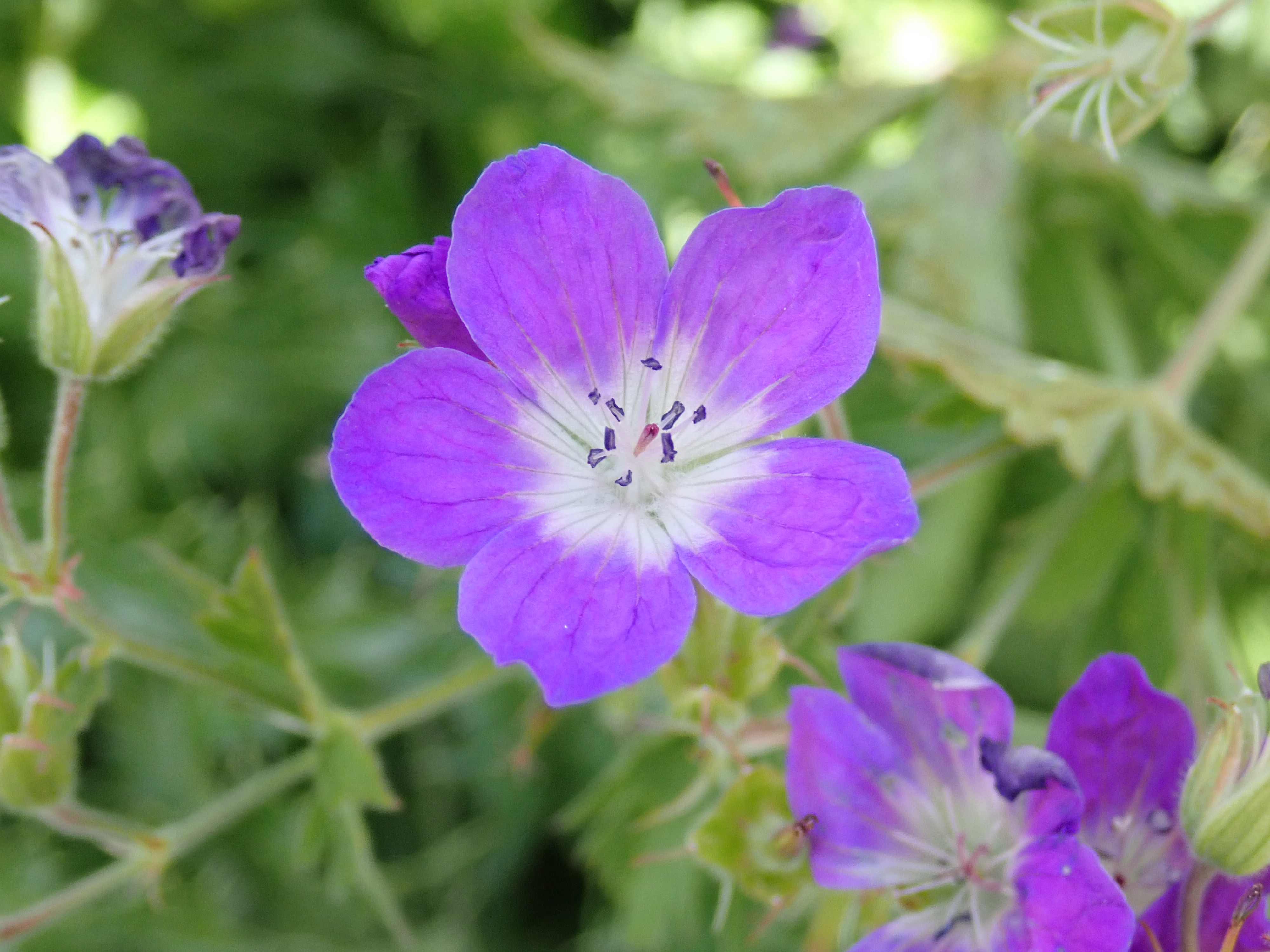
This year, I finally persuaded the department to let me teach on not one, but two, third year field courses. This meant a trip to Pontresina in Switzerland in July and another to Belize in September. Normally, a chance to spend ten days in the Alps looking at and teaching about alpine plants would have been the teaching highlight of the year and I did love it. The area is fantastic for studying the adaptations of plants to altitude and we were there at a time with a great diversity of plants in flower – I’ve been nowhere like it since being in the Himalayas, ten years ago. It’s also perfect for seeing succession in action at the foot of the rapidly retreating Morteratsch glacier and both staff and students had a great time and learned a lot. However, being immersed for nearly a fortnight in a remote tropical rainforest full of plants, birds and insects I’d not encountered before was a whole new level of ‘wow’ factor for me, partly because of it being so far out of my comfort zone but also because of the impact we could see it having on the students. There is a huge diversity of unfamiliar plants and many of the features I’d normally use to identify them, such as flowers, are well out of reach in the canopy or over by September. Add to that the lack of an accessible field guide, and the challenge becomes immense. I hope to get the chance to go back next year and consolidate some of what I learned, but for this coming year it will be another trip to Switzerland.
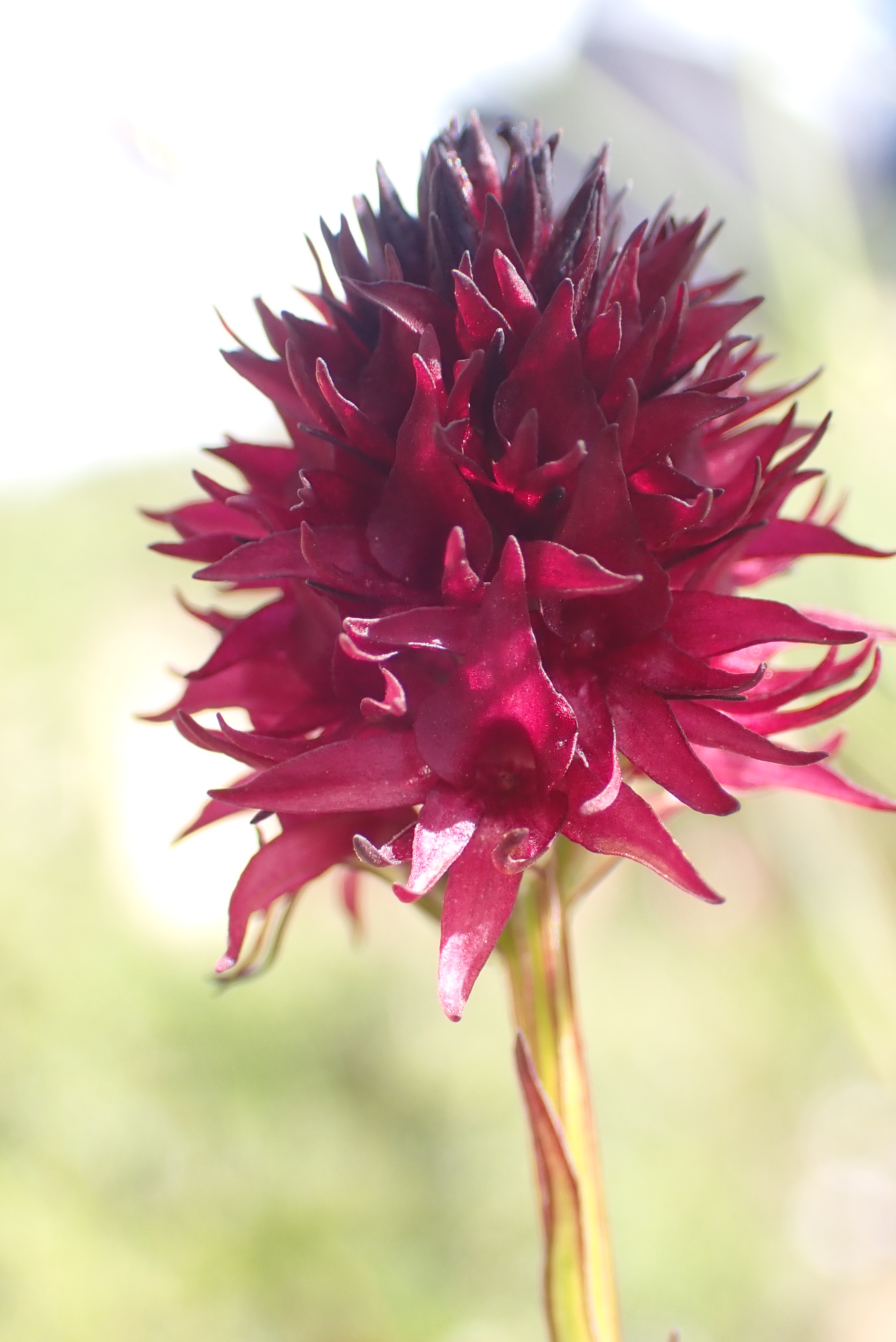
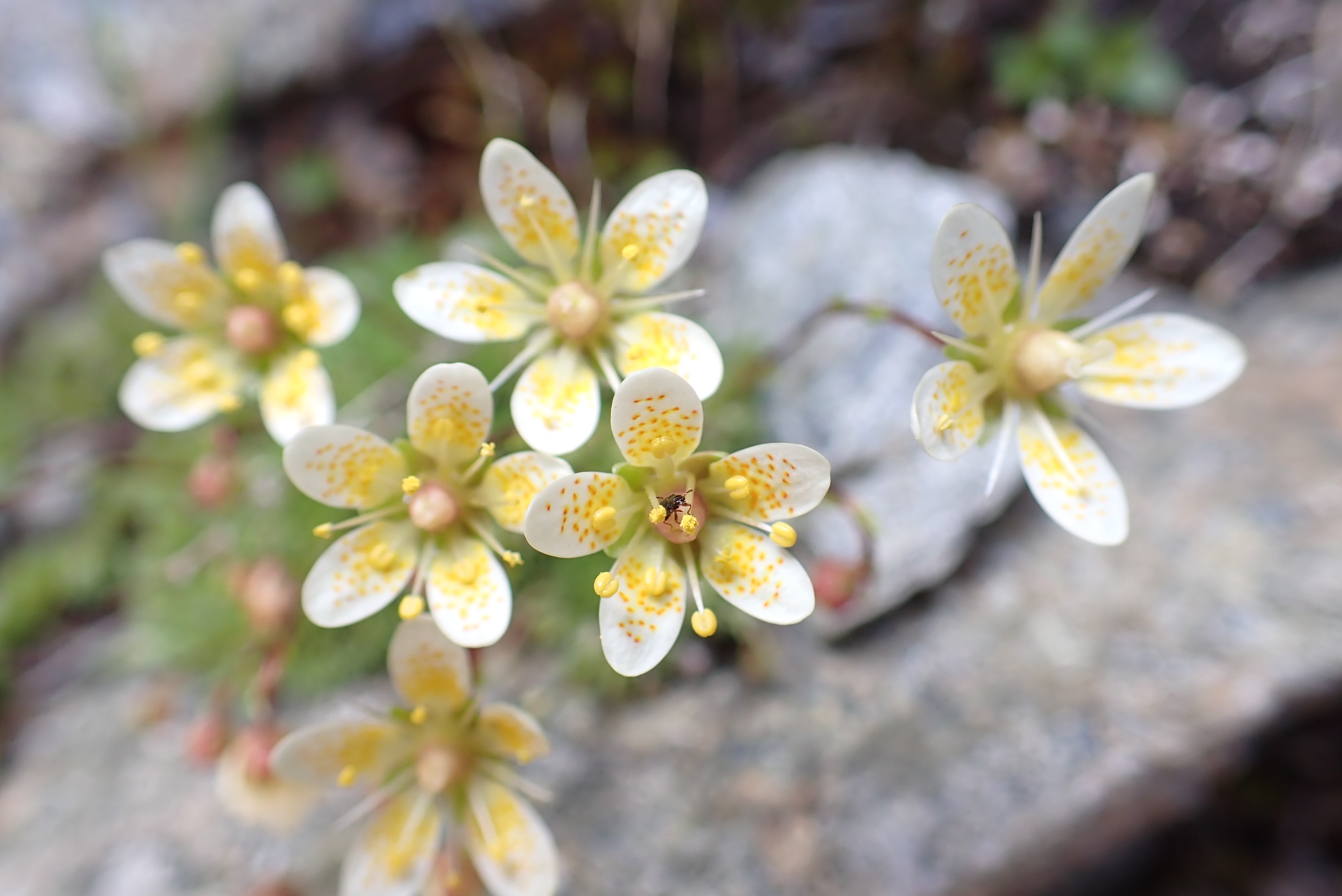
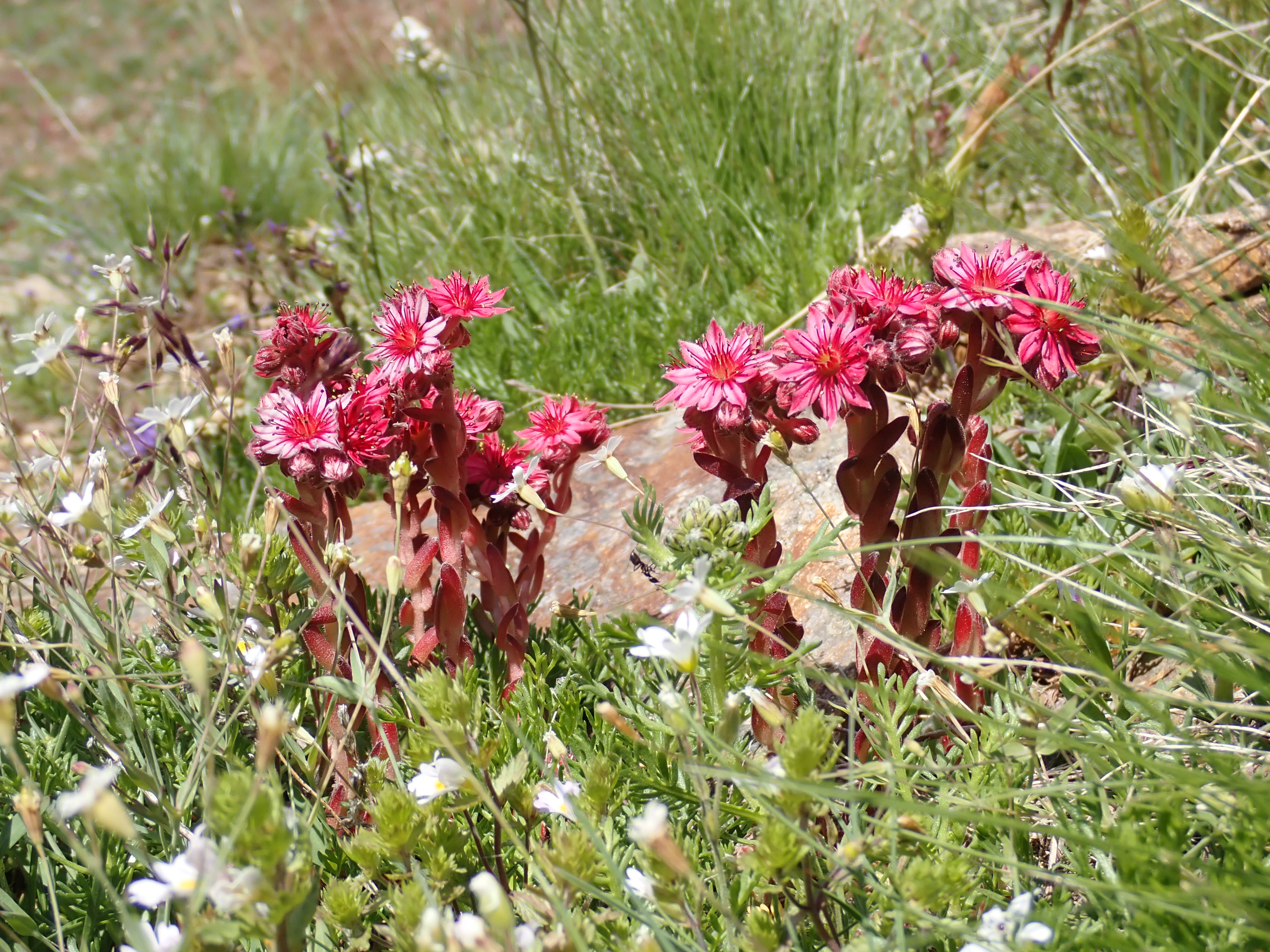
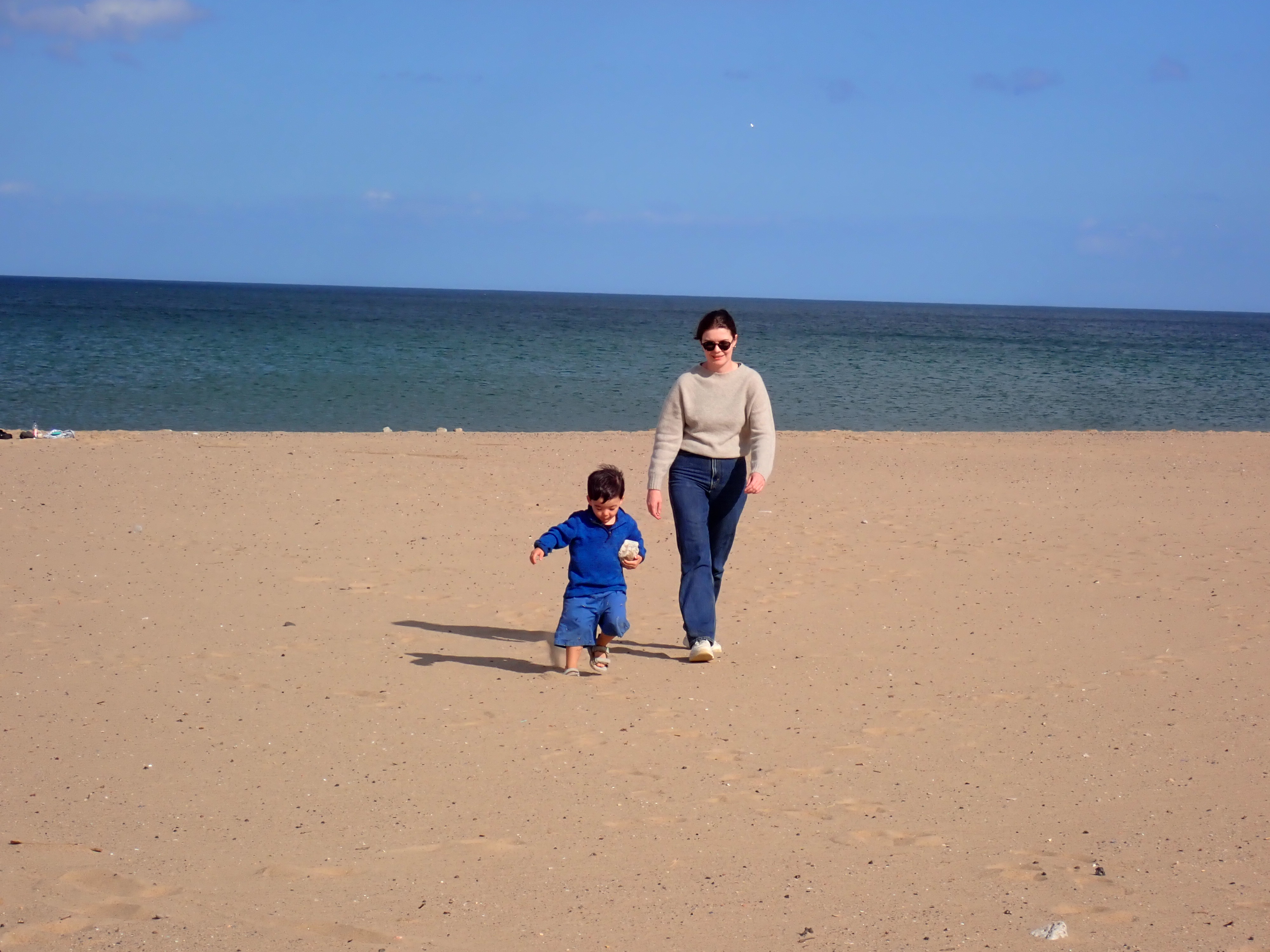
By the time I got back from Switzerland, Ed and Casper had arrived in the UK; without Kate this time, as she didn’t fancy the long flights when pregnant. We missed her, but had lots of great family time with Rosie, Sam and Harry and with Casper’s great grandparents. A few days at Staithes provided a warmer seaside experience than last year for Casper but we he also got to see South Shields in sunshine this time, flying kites and eating the obligatory fish and chips. My boys took me for dinner and to see the folk singer Angeline Morrison at the Glasshouse as a birthday present, which was a treat in every way. Her music was new to me but is hauntingly beautiful, whilst talking about some very uncomfortable themes …
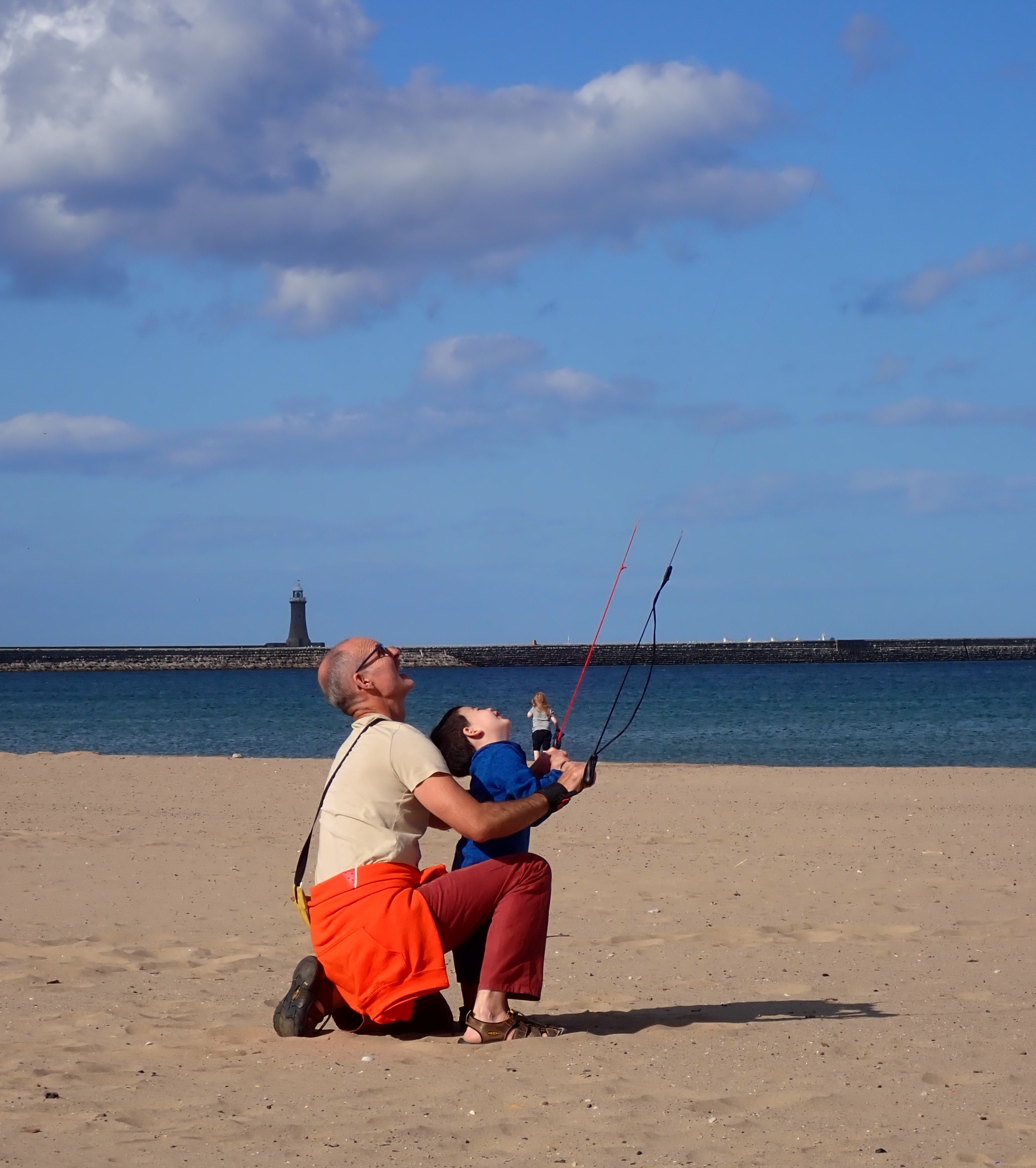
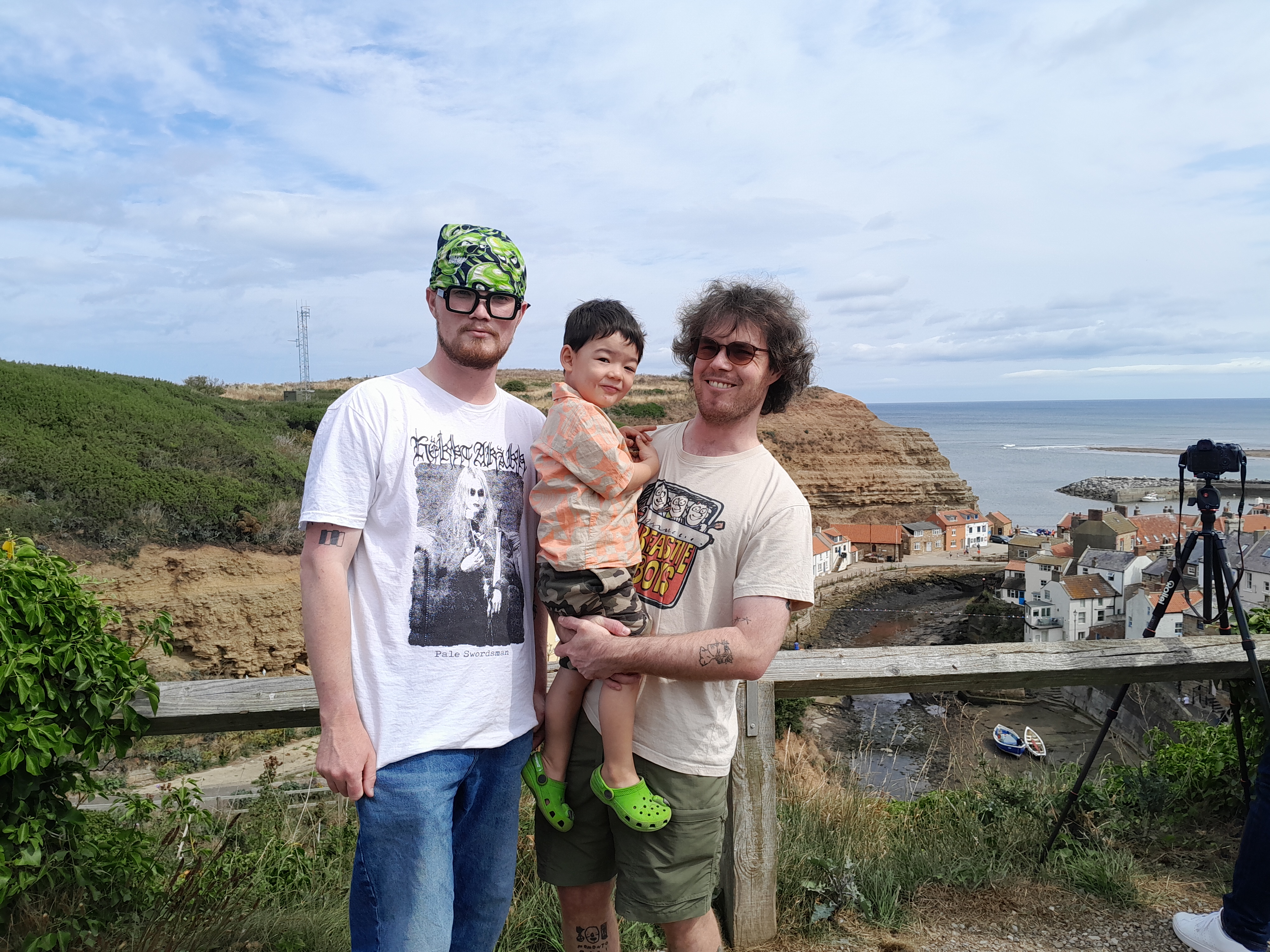
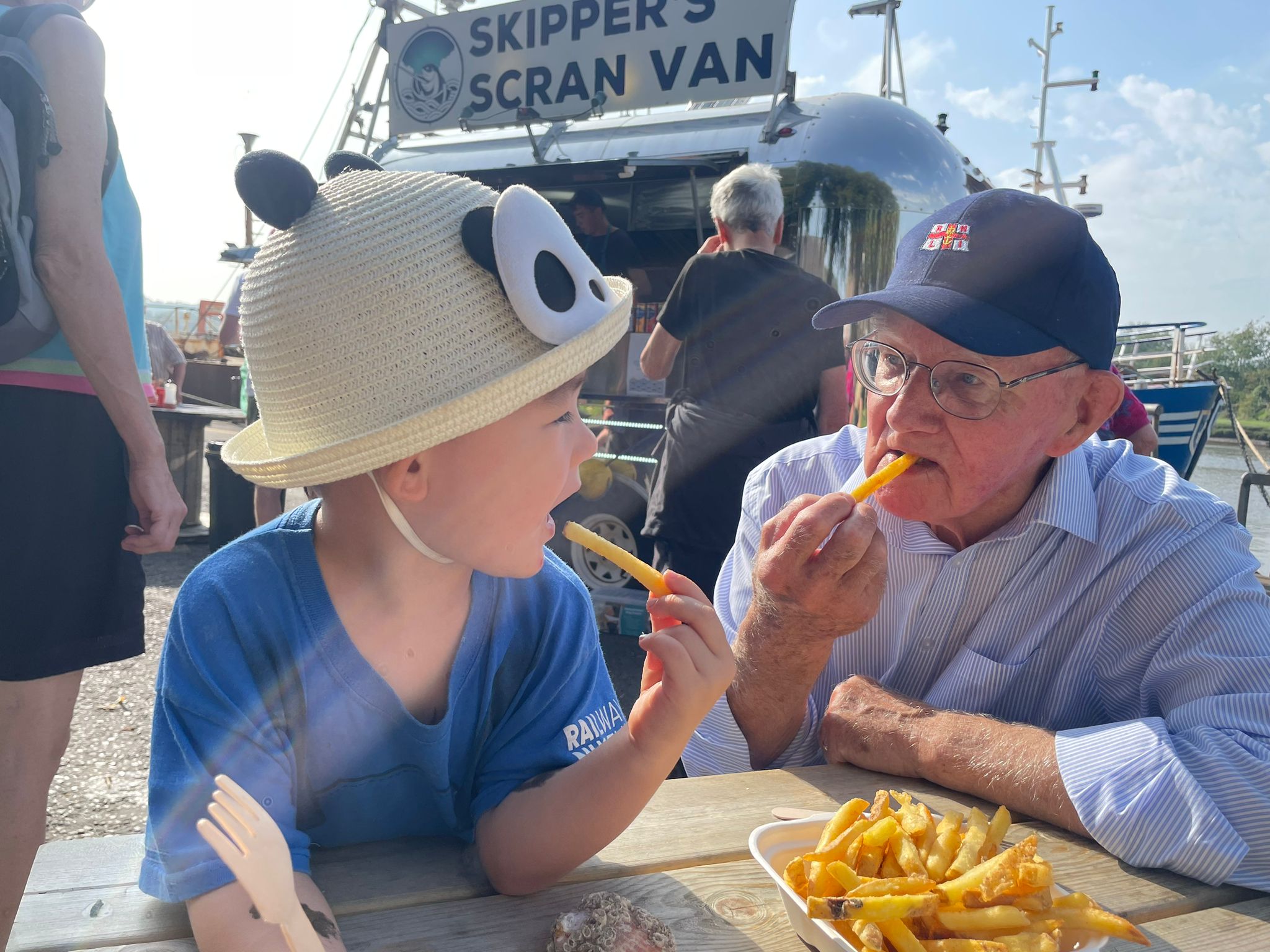
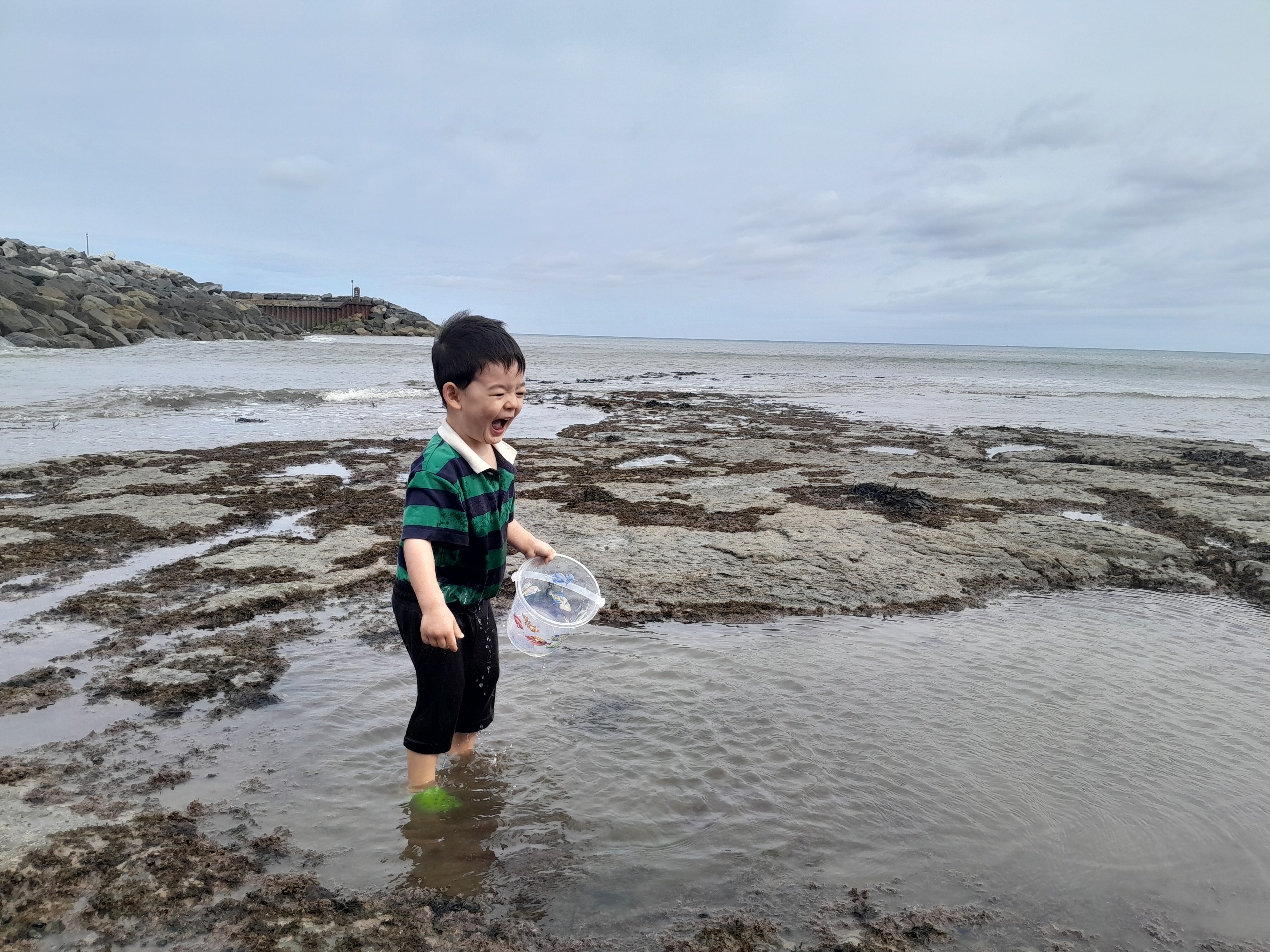
My international jet-setting this year meant limited time for Martyn and I to holiday by ourselves but we squeezed in a short trip to Northern Ireland between Ed and Casper leaving and me heading to Belize. We spent a beautiful day walking around Slieve Gullion Mountain and I found the Titanic museum in Belfast fascinating and unexpectedly moving. It covers a lot of the social history of Belfast and the central role played by the ship building industry in the city but also looks at all the factors which came together to cause the disaster and which subsequently changed legislation around the maritime industry for good. I had the words of Thomas Hardy’s The Convergence of the Twain, which I studied for O level English many years ago, running through my head for much of the visit…. The culinary highlight of the trip was dinner at The Muddlers Club, walking distance from our hotel on the Belfast waterfront.
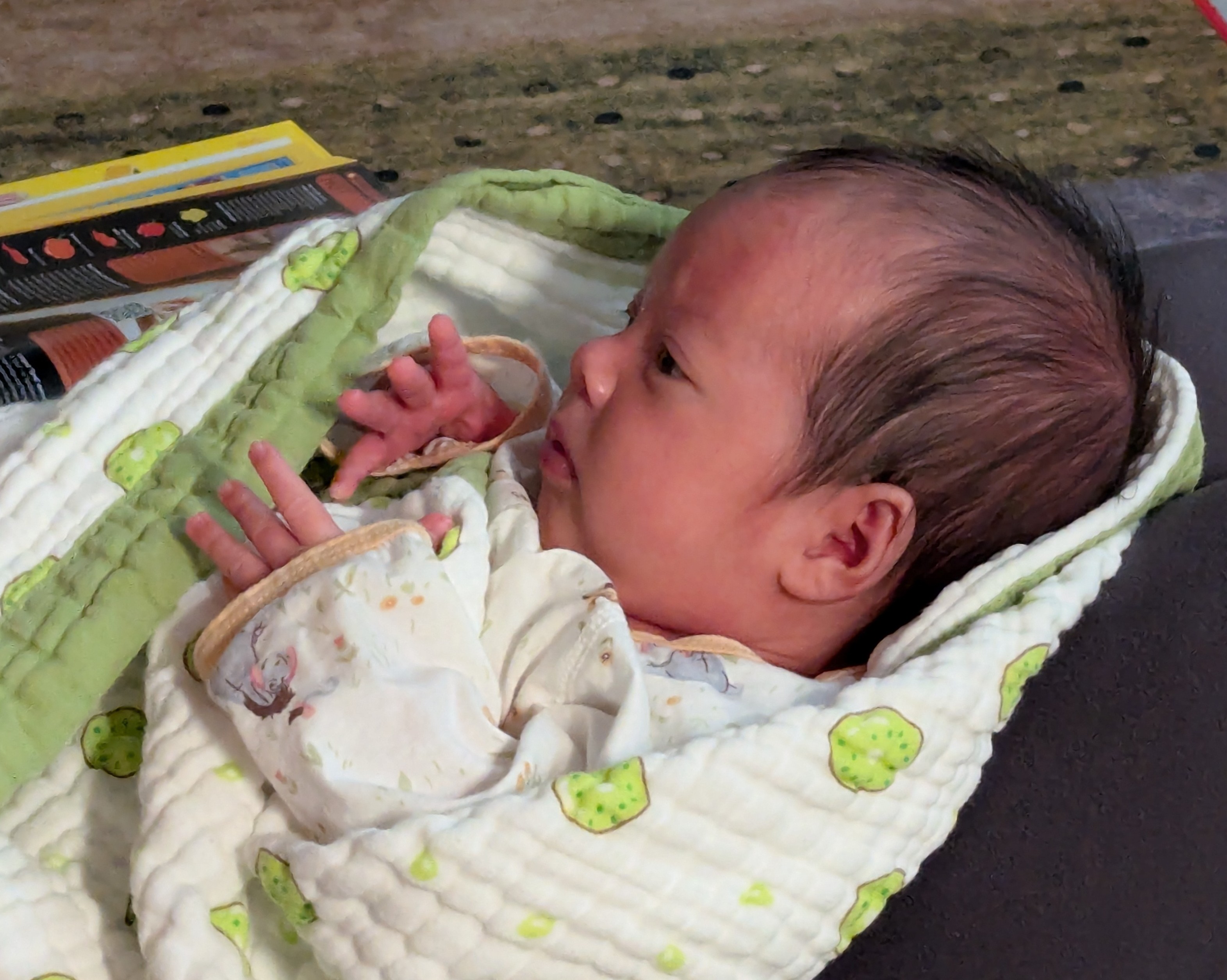
I spent the last month of the year in Chengdu, having a wonderful time. I was so delighted when Kate said she was happy for me to be her ‘Mum’s help’ for the first month of my new granddaughter’s life. In the event, with Ed on paternity leave for most of this time, my role turned out to be mainly about looking after Casper so they could focus on little Isla. I got plenty of baby cuddles and opportunities to change nappies but also a lot of time with my lovely grandson and hopefully eased the transition to being an older brother rather than an only child for him. I’d heard lots about the restrictions placed on new mothers after a birth (it’s still called confinement) but Kate is a free spirit and was, I think, glad not to have her behaviour dictated by a nanny!
Of course, the year has not all been sweetness and light. I was shocked to be diagnosed as pre-diabetic at the end of the summer after a routine health check and have had to think about my diet as a result. Reducing my fruit and carb intake has helped me lose quite a bit of weight but another HbA1c blood test has just shown I’m still firmly in pre-diabetic territory. I spent much of November ill with a cold which I couldn’t shift and lost my voice completely for a couple of weeks at a time of year when I am at my busiest. That was probably no coincidence, but it was deeply frustrating having to miss a lot of lectures, especially to a cohort of first year students who seem genuinely interested in plants!
I’m pleased that I’ve managed to keep up my reading streak, despite being more or less straight back to work on my return home. I found Fundamentally, by Nussaibah Younis, very insightful on the complex issues surrounding the young women, often groomed online when little more than children, who left London to become the brides of ISIS fighters and now find themselves stranded in camps in Syria and Iraq. The case of Shamima Begum has polarized opinions between those who feel she is the victim of sex trafficking and those who see her as a dangerous extremist in her own right, so it was good to read a novel written by someone who has helped design programmes to deradicalize women associated with ISIS and who understands that people can be both victims and perpetrators. I found Private revolutions, Coming of Age in a New China by Yuang Yang, fascinating for different reasons. It offers an insight into the Chinese education system, and how access to it can still be limited, through the lives of a small group of women from diverse backgrounds.
I enjoyed The Glorious Dead, by Justin Myers, rather less. Maybe I just don’t have enough interest in the lives of London’s theatre luvvies, but I found the constant switching between unreliable narrators overly confusing and contrived. This could also, of course, have just been due to a degree of sleep deprivation! I loved Matt Haig’s The Life Impossible – a magical tale about the power of hope and fresh starts and Transcription, by Kate Atkinson, offers a fascinating insight into espionage and counter-espionage in war-time London. Long may the reading streak continue!
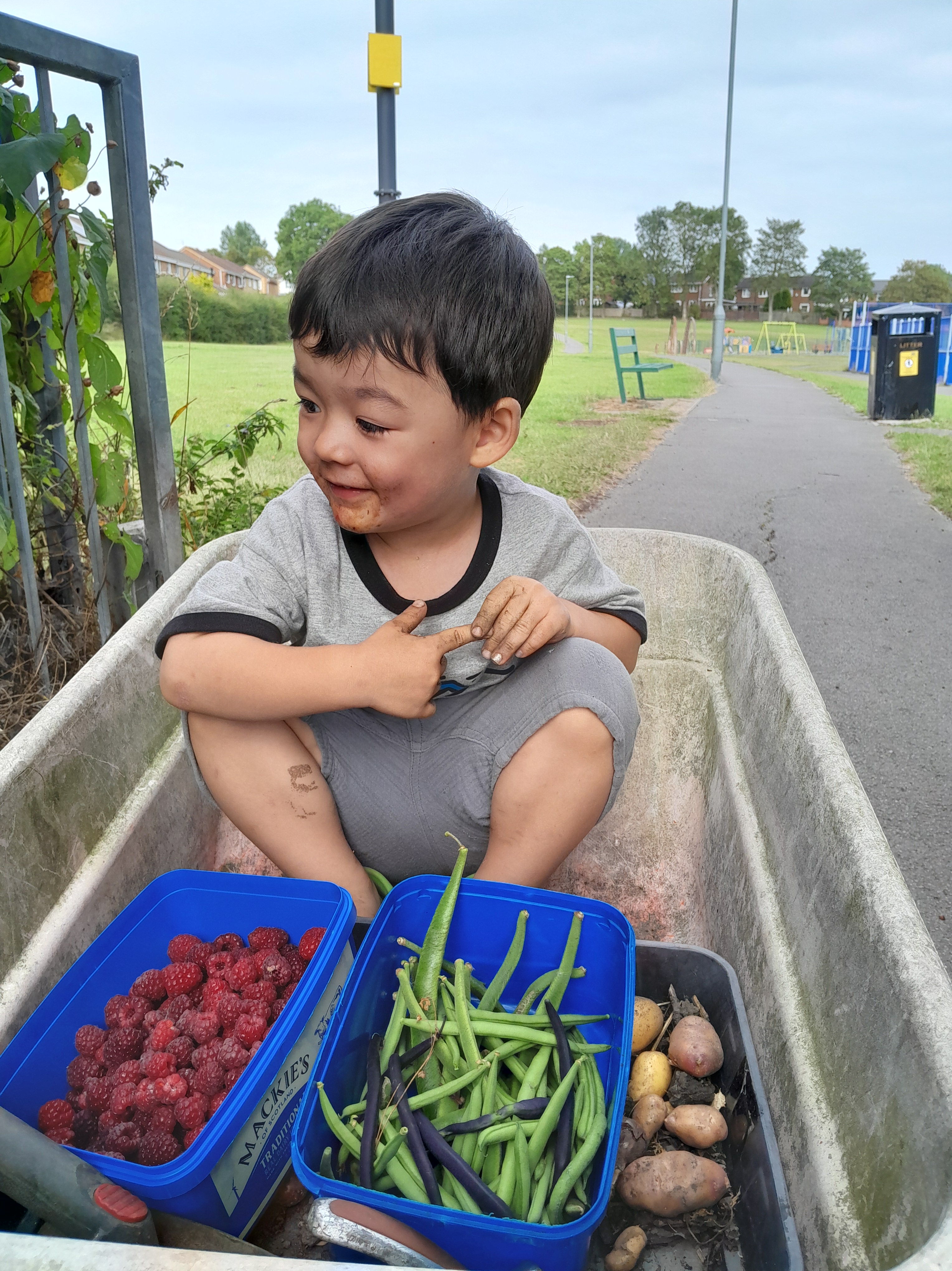
The garden is full of Snowdrops and Hellebores now and spring is firmly in the air, despite the damp and lack of sunshine. Time to start choosing seeds for the coming year!
 heatherkellyblog - travel with me and wonder at what you see!