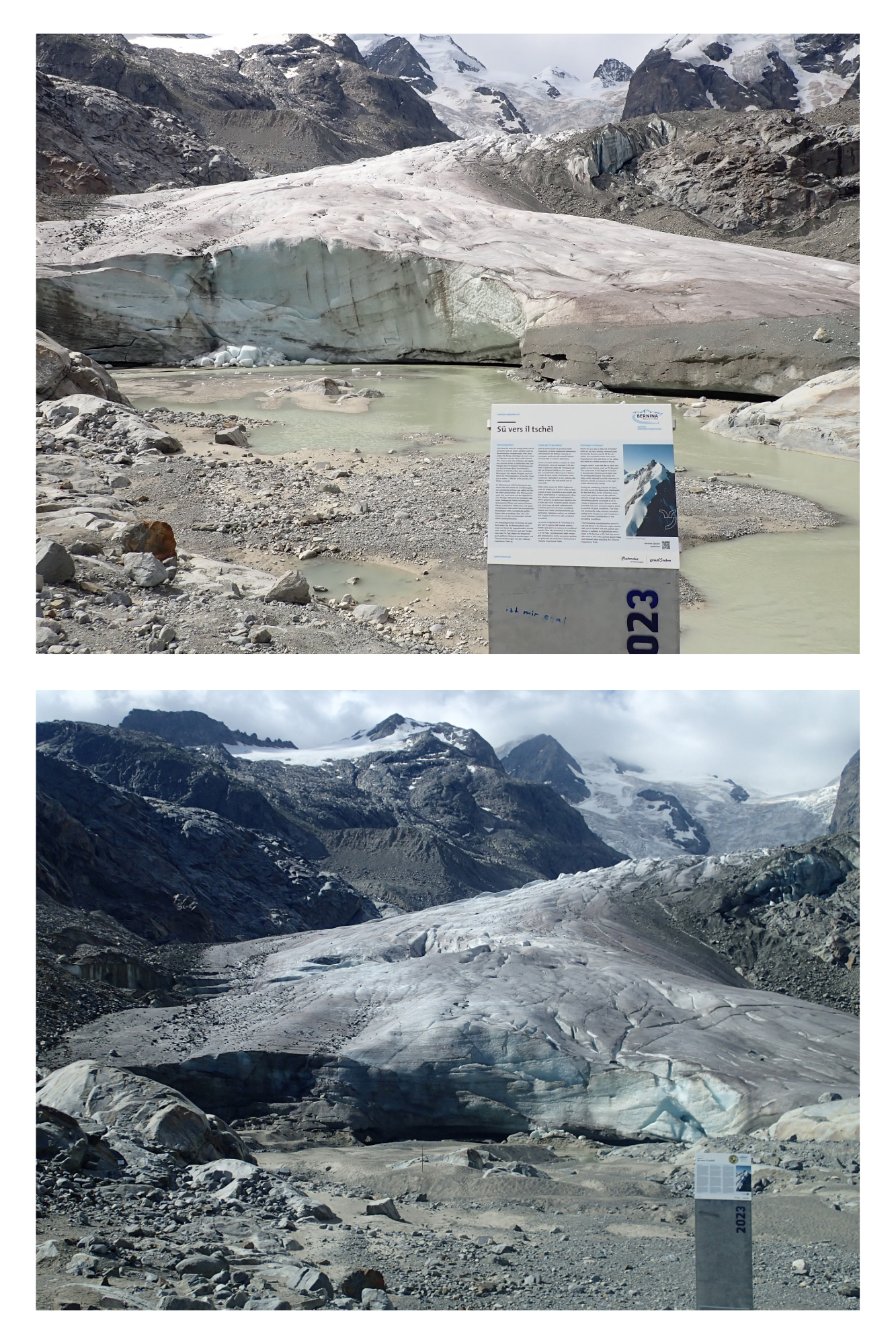
We visited Morteratsch glacier again in July, a year on from our previous trip, and were shocked, if not surprised in this record-breaking summer, to see the effects of climate change writ large for ourselves. The pool in front of the glacier where the students played last year has gone, replaced by a strip of bare, sandy ground. The glacier has probably retreated 20 or 30 m in the last 12 months and the depth of ice at the snout has thinned considerably. It made me wonder whether, if I bring my grandchildren here in a few years time, there will be anything left to see.
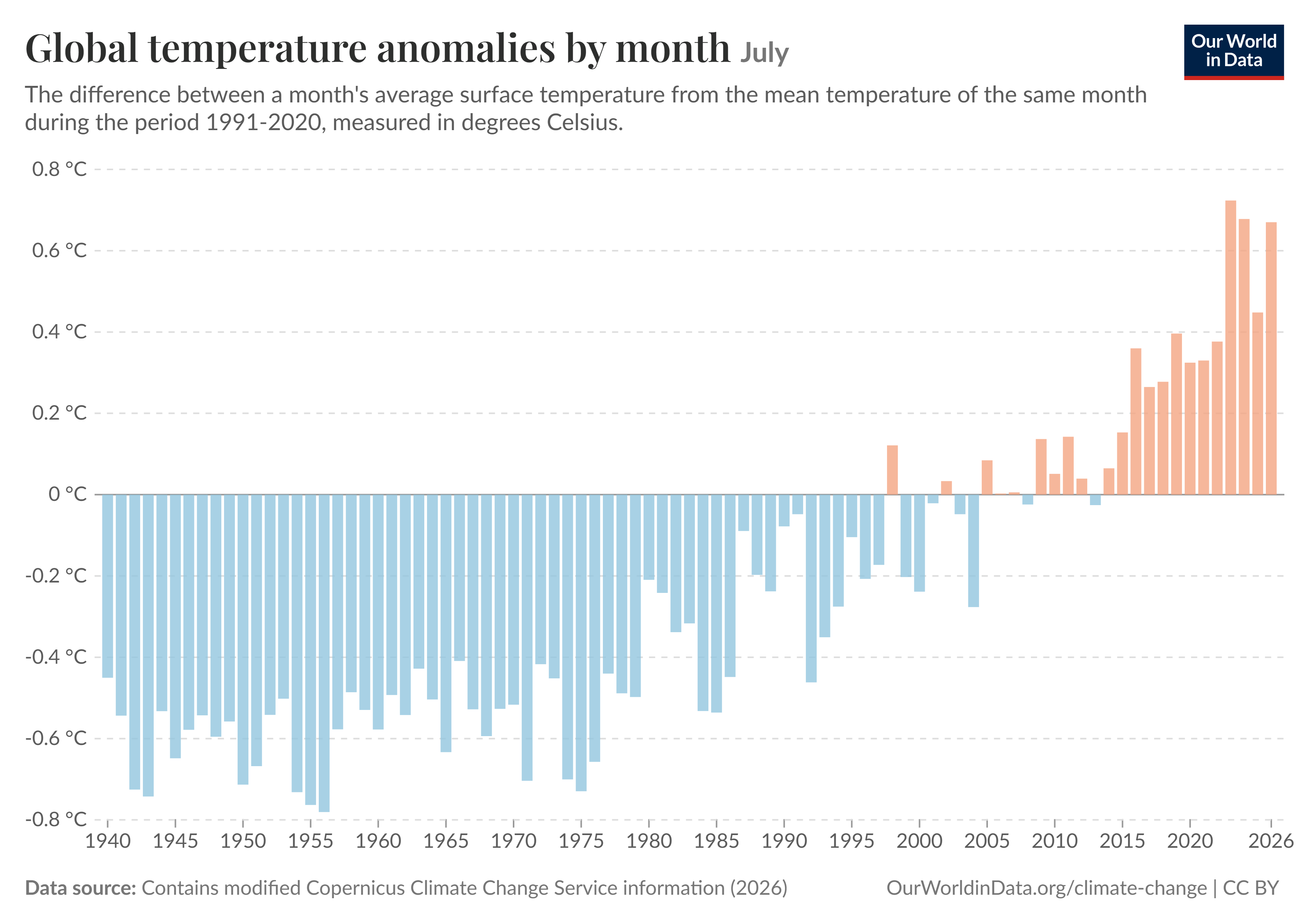
I don’t know why I should be surprised at this – we are in the middle of a strong El Niño season, where the trade winds which normally blow east to west across the Pacific ocean weaken, causing warm water to spread eastward, warming the atmosphere above it and exacerbating the effects of climate change. Climatologists are predicting a 35 % chance that 2026 will be the hottest year globally since record began and temperature anomalies compared to the 1991-2020 average, as illustrated by https://ourworldindata.org/, are stark.
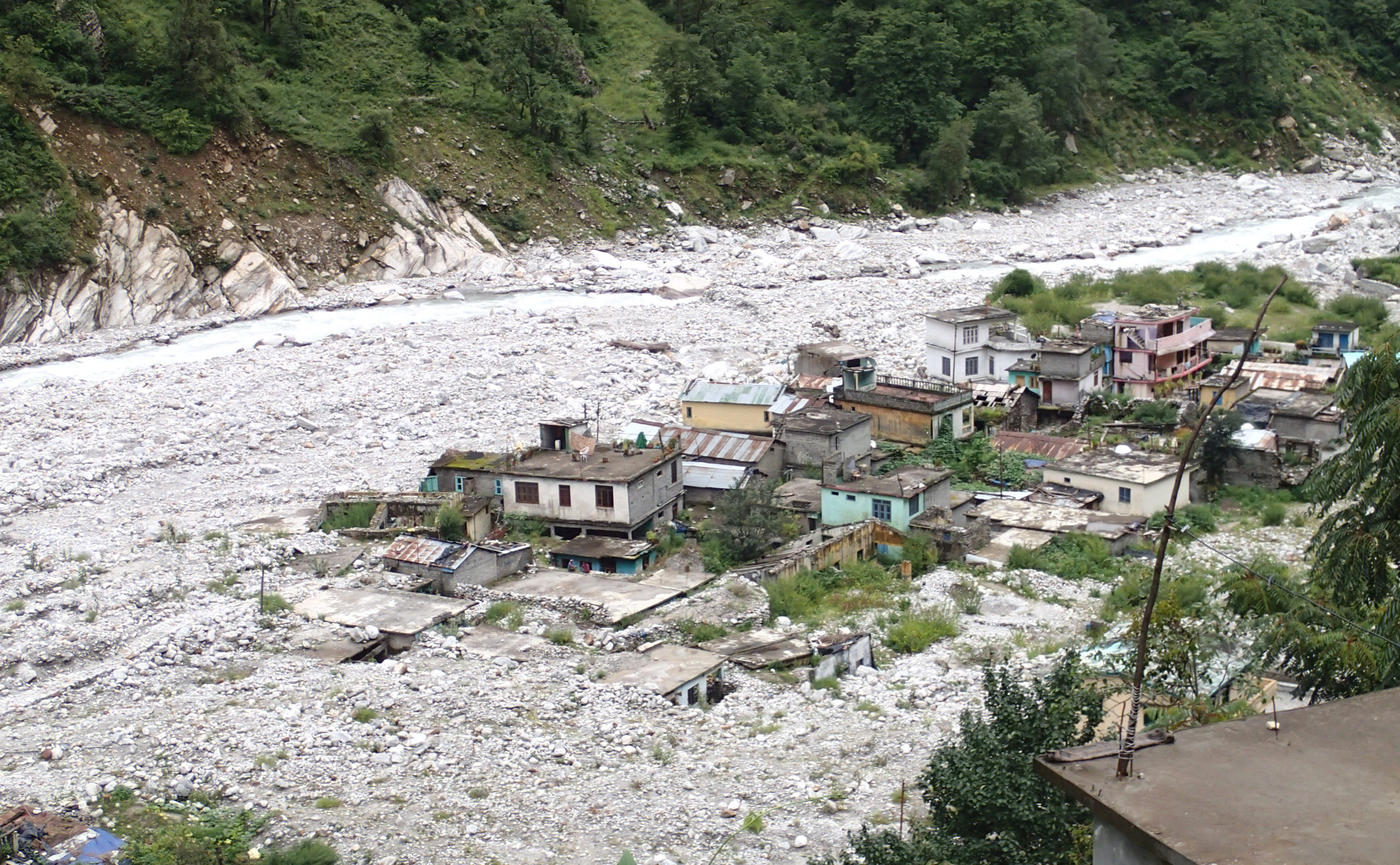
Of course my feelings of sadness about melting glaciers in Switzerland are inconsequential in the light of what has happened in Nepal and Tibet this week. The appalling tragedy unfolding there mirrors what we saw in the Indian Himalayas in 2016 in the Pushpwati River valley, below the Valley of Flowers. Devastating floods three years previously had washed away many houses in the lower part of the valley and in other parts of Utterakhand. Just like in Nepal, these were flash-floods and took place at night, costing the lives of some 50 000 people, many of whose bodies were never found.
On a more positive note, Morteratsch was hopefully not my last glacier of the summer. Tomorrow we are off to Georgia (the one in the Caucasus mountains) and will spend part of our time in the town of Stepantsminda, from where we hope to hike at least part of the way to the Gergeti glacier, on the south-eastern slope of 5000 m high Mt Kazbek. The glacier originates in an old, eroded, caldera or cauldron, below the summit of the dormant volcano. A little reading suggests that in this area, close to the North Anatolian Fault, it is more likely to be tectonic and volcanic activity than climate change which causes glacier collapse! Watch this space…
This week I’ve been reading John of John, by Douglas Stewart, a beautiful, evocative novel set in the Outer Hebrides which makes me want to visit the islands again. The portrayal of life as an adherent of the ‘Wee Free’ branch of the Scottish Presbyterian Church is less appealing though, seeming like something from the 19th Century.
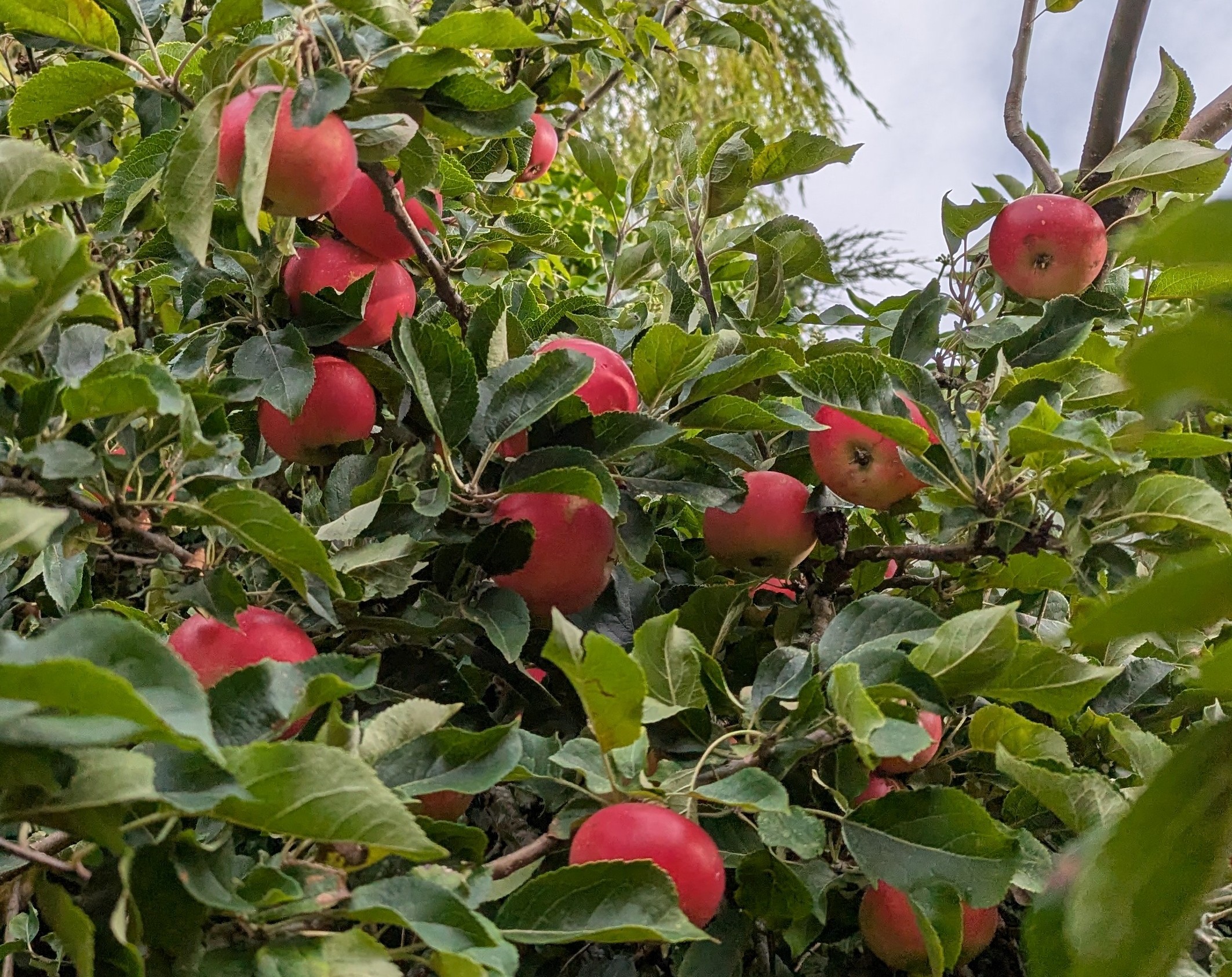
In the garden and allotment I’ve been frantically picking and processing some of our amazing crop of Discovery apples, which are likely to be past their best by our return from Georgia as they really don’t keep. I’ve been picking autumn raspberries, coriander seeds and the last of the blackberries too. It was very satisfying, when I needed lots of ground coriander to make apple chutney, to be able to grind seeds I’d picked myself. I always find it frustrating that coriander grown in the garden bolts so quickly, so I guess this is the payback!
 heatherkellyblog - travel with me and wonder at what you see!
Enjoy your trip